Locksmith in Mississauga, OntarioLocksmith in Mississauga.Doors that lock properly.
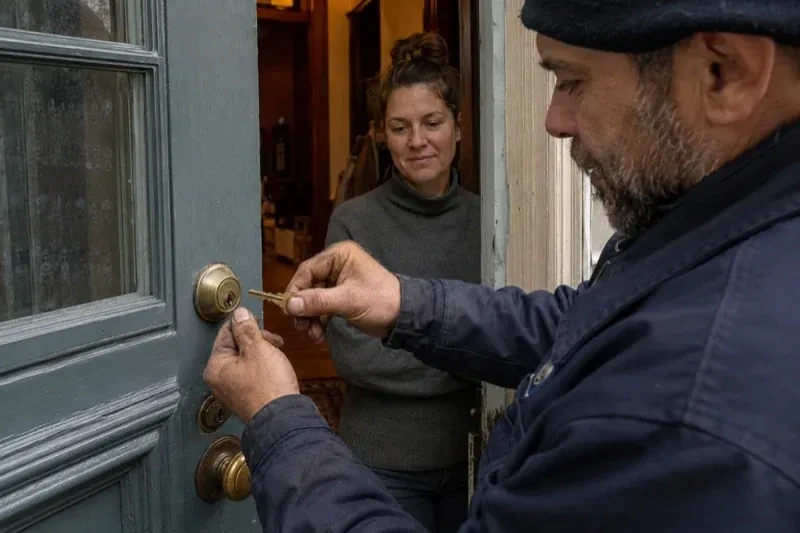
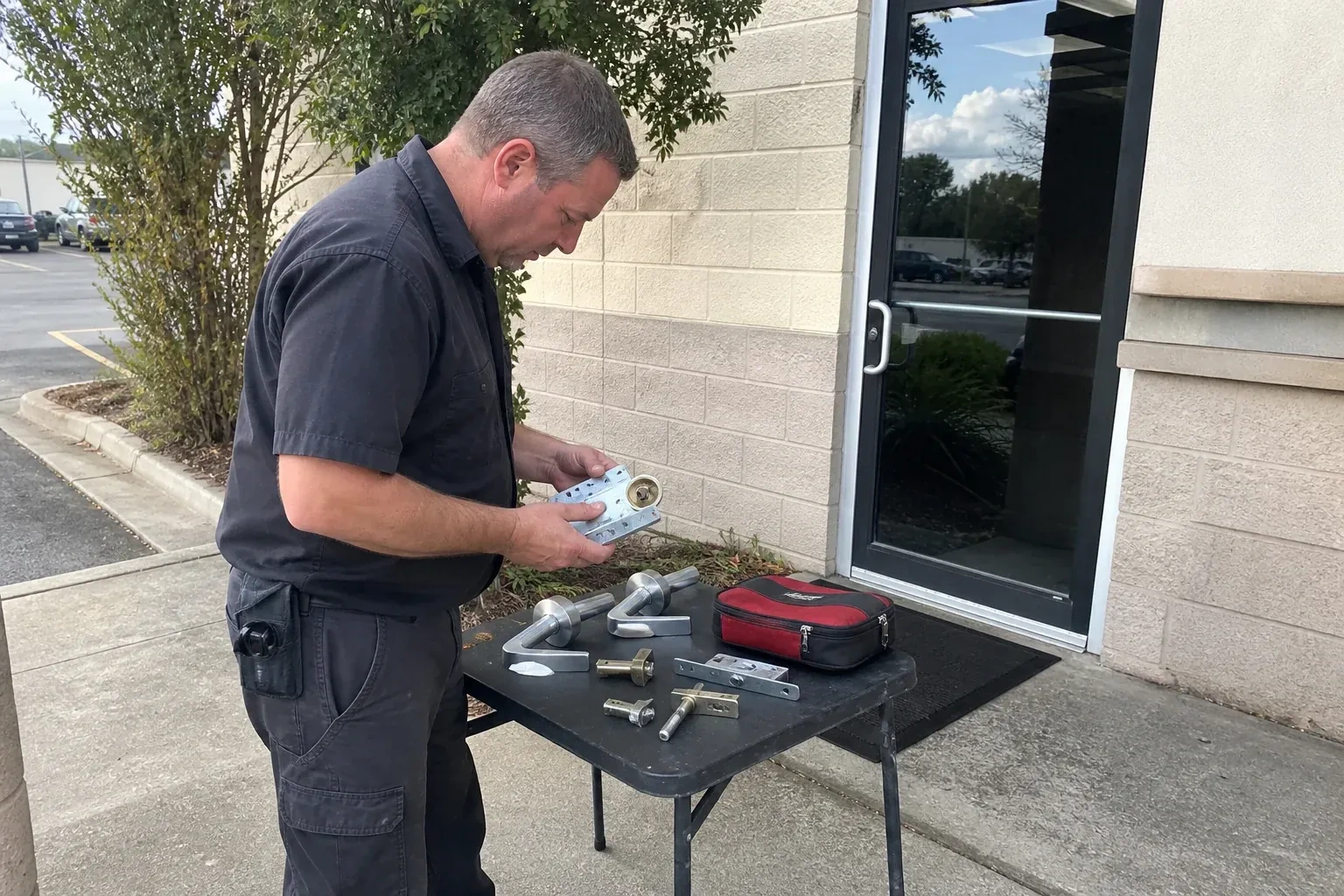
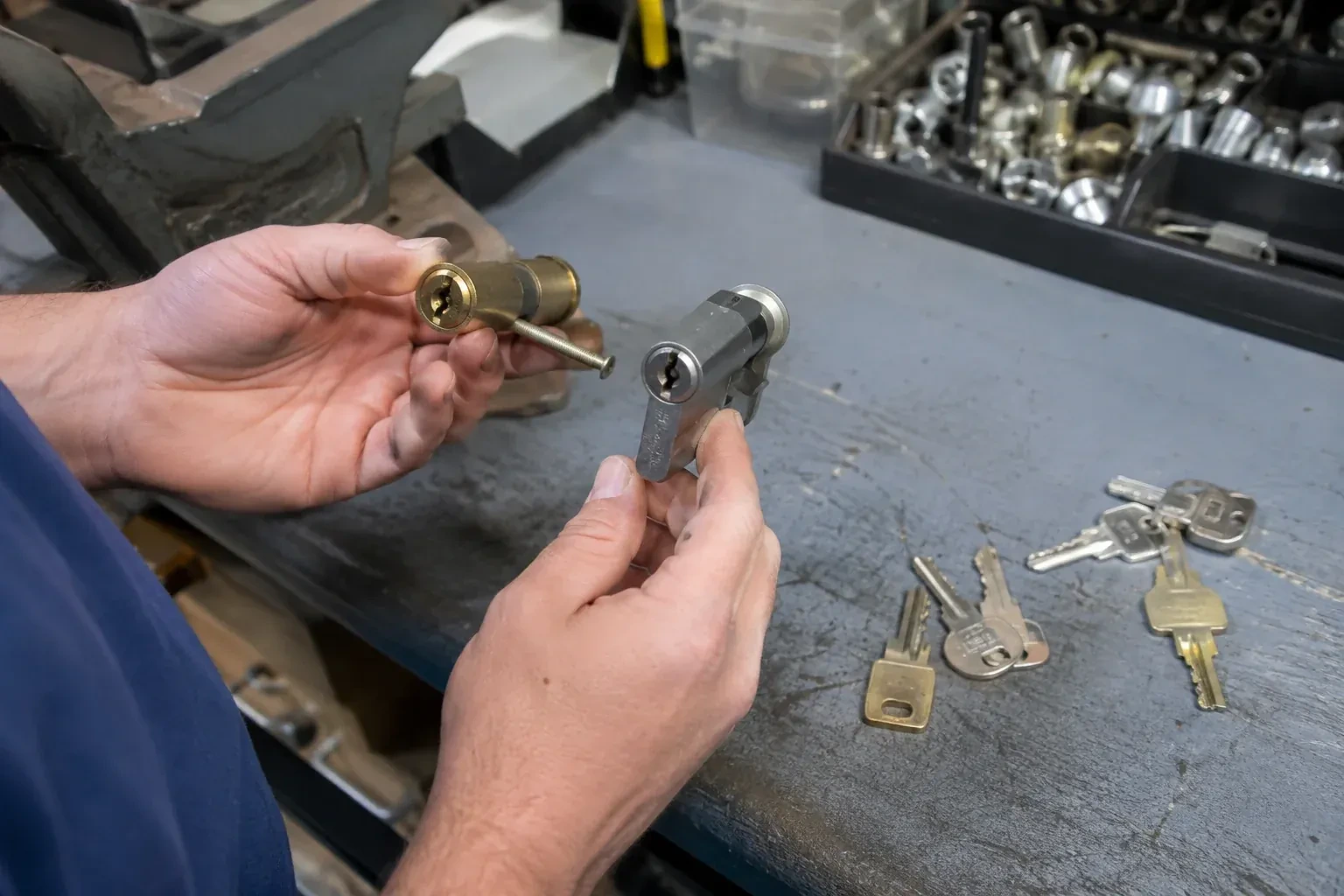
Every street in Mississauga has a door that sticks, a deadbolt that needs a shove, or a key that was lent out and never came back. We rekey, repair and replace lock hardware for homes and businesses here, explain what we find in ordinary words, and leave you with keys that turn the way they should. Nearby, we also work in Hanlan.
Every street in Mississauga has a door that sticks, a deadbolt that needs a shove, or a key that was lent out and never came back. We rekey, repair and replace lock hardware for homes and businesses here, explain what we find in ordinary words, and leave you with keys that turn the way they should. Nearby, we also work in Hanlan.
The small details that keep a door secure.
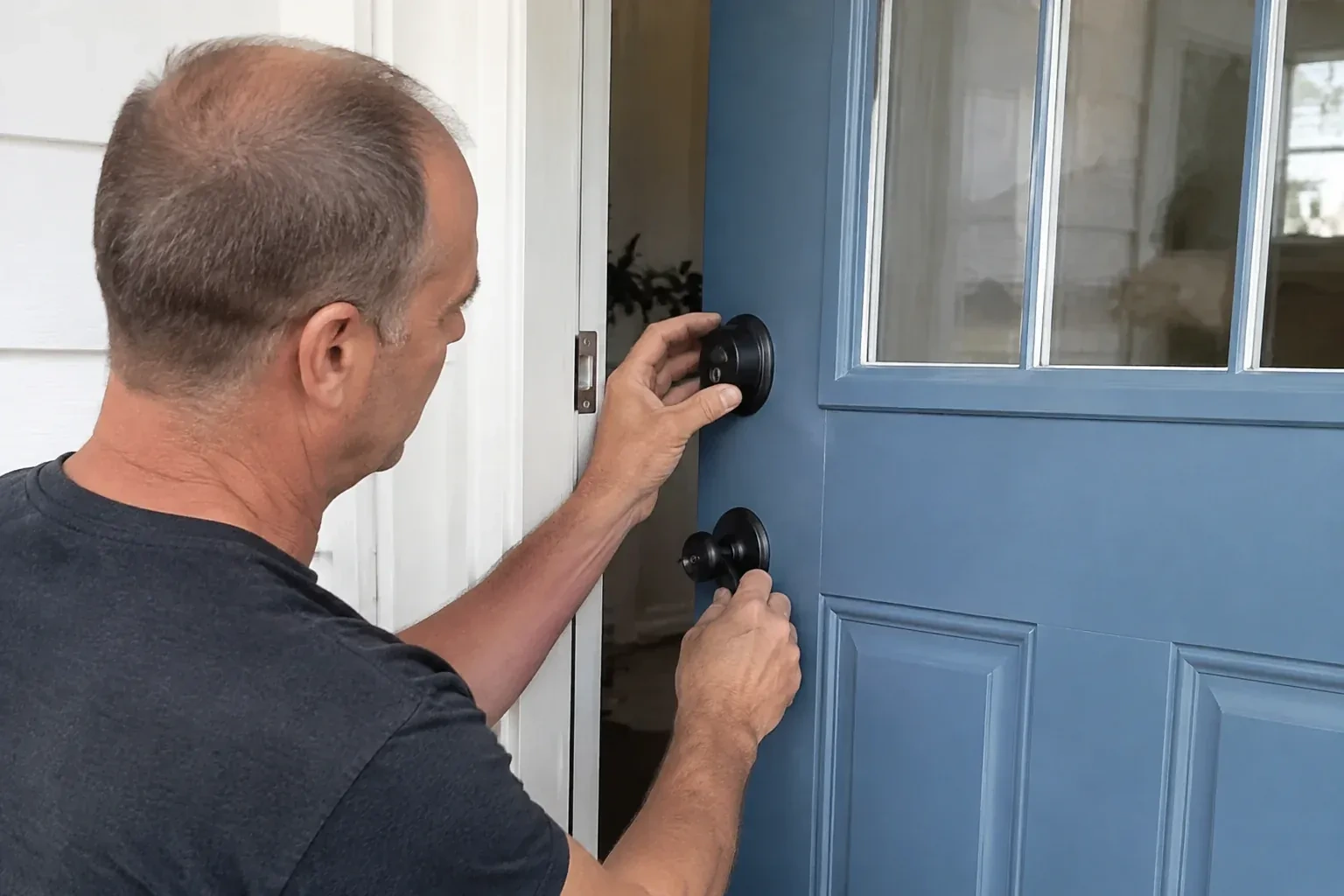
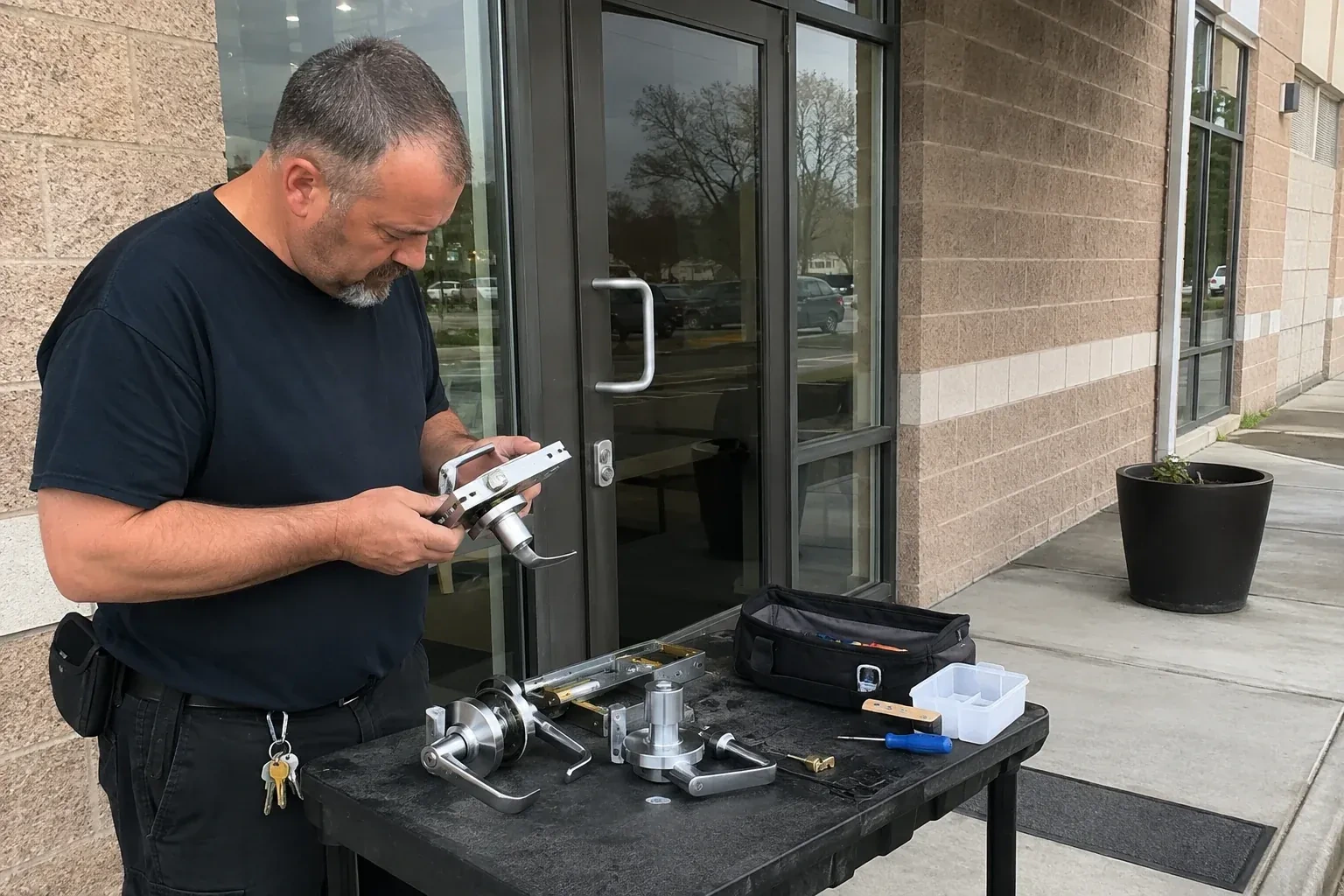
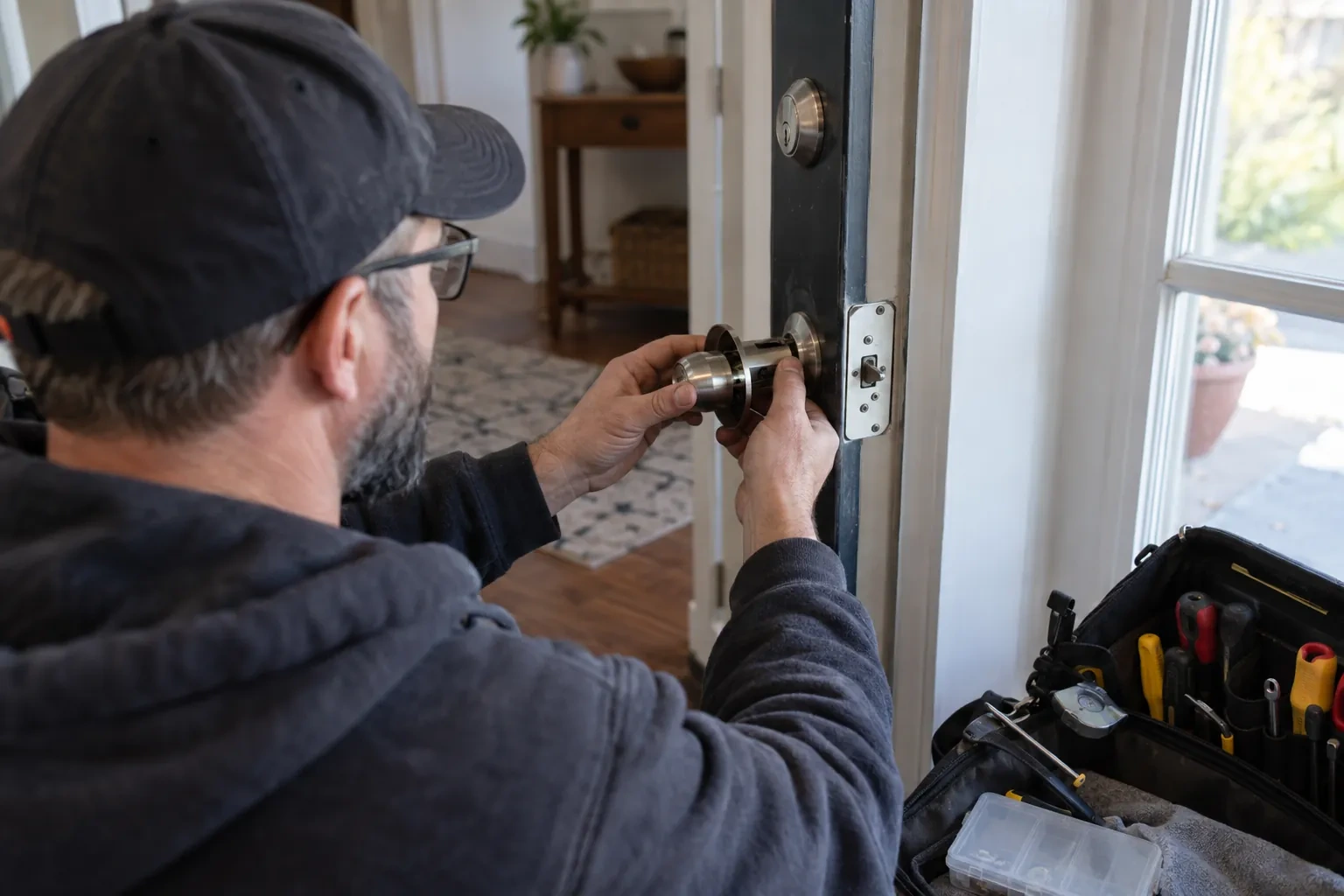
Older houses in Mississauga get a locksmith who respects them. We work around original trim, keep period hardware where it can be kept, and match finishes when something new is needed so the door still looks like it belongs to the house. Modern security can sit behind a hundred-year-old face; that is a matter of choosing parts carefully.
Smart locks are turning up on more doors in Mississauga, and they bring their own questions. Which models cope with cold weather, how they behave when the battery dies, whether the door is aligned well enough for the motor to throw the bolt. We fit, program and troubleshoot them, and we say honestly when a plain mechanical deadbolt would serve you better.
18years in business
24/7open every day
Time to understand first. We do not start work until you understand what we found. That might take two sentences or a longer chat; either is fine.
A quiet, careful approach. Locks are opened and fitted with patience rather than force wherever the design allows. Your door and frame matter as much as the lock.
Everything tested, everything explained. Before leaving we run through each lock and key with you, show you anything new and leave a note of what was done.
Request high-security locks for your Mississauga home
Below, each lock and key service we offer in Mississauga gets its own page, with a description that assumes no prior knowledge. Start anywhere. Many customers arrive for a lockout and leave knowing exactly why the strike plate on the back door has bothered them for years.
About 38% of homes in Mississauga were built in 1980 or earlier, according to the 2021 Census.
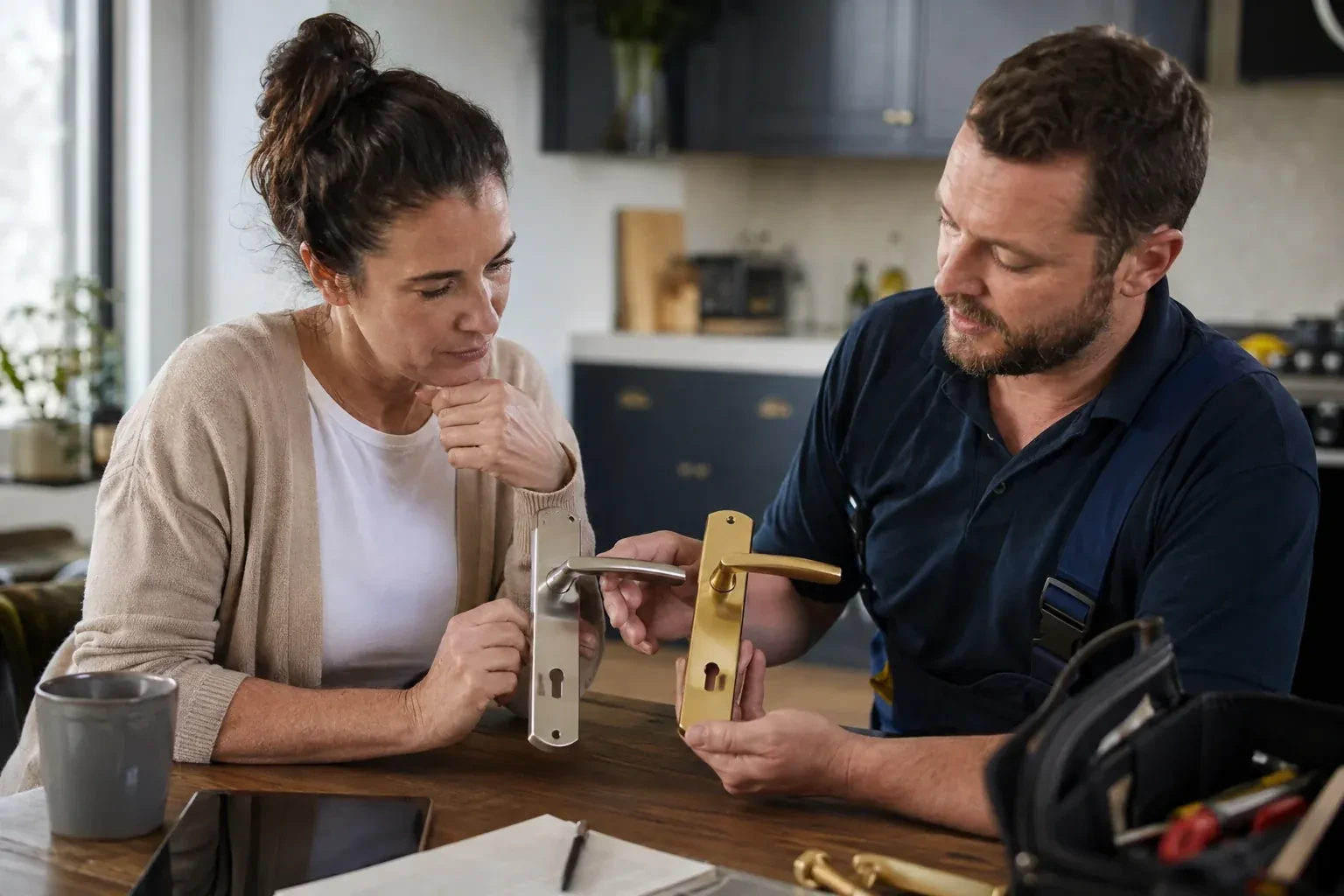
In neighbourhoods with a mix of older and newer homes, the finishes on the doors vary widely: aged brass, satin nickel, matte black. A locksmith serving such an area keeps a range of finishes so replacement hardware suits each house.
Single-detached houses make up about 37% of homes in Mississauga (2021 Census).
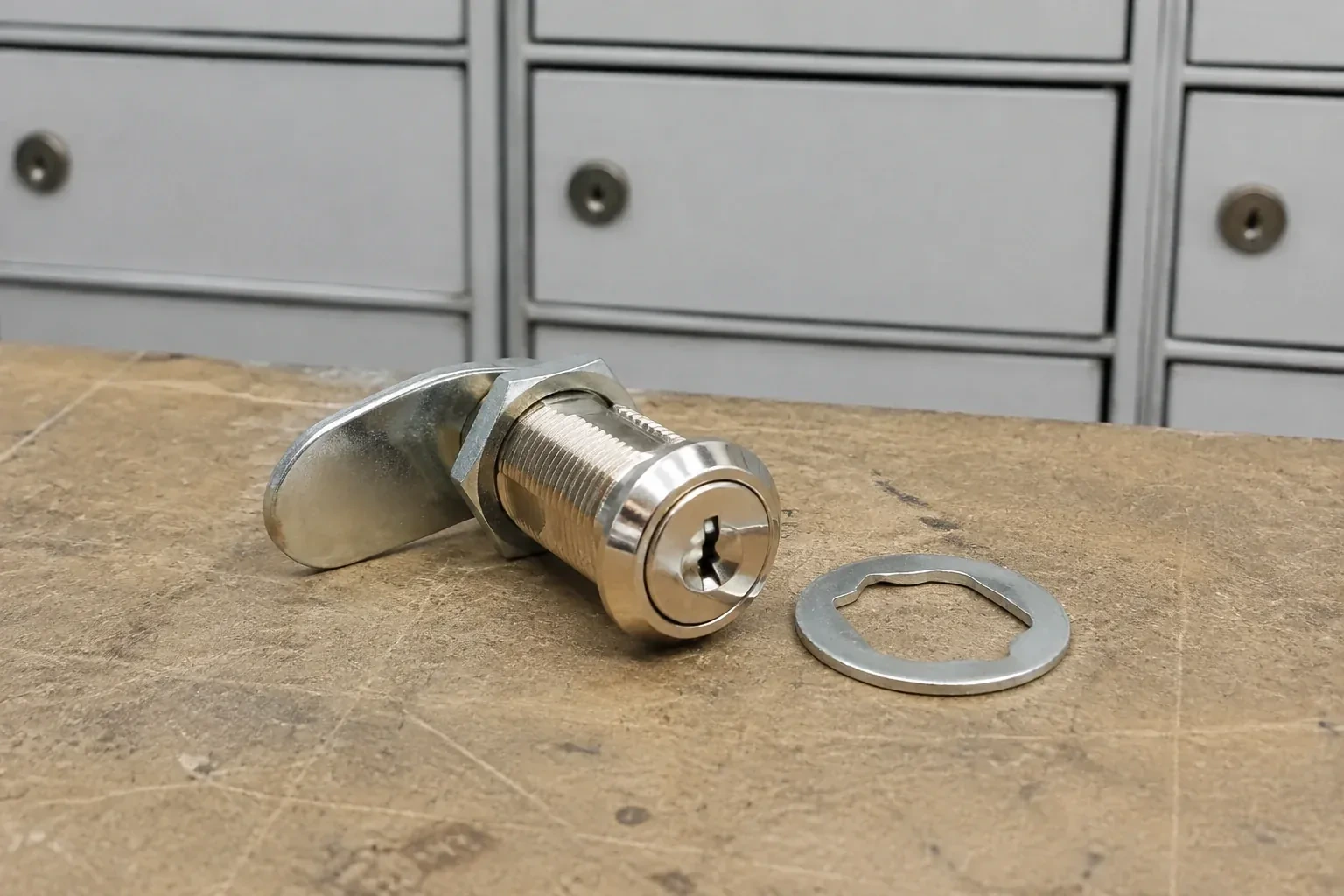
Where housing is mostly apartments and condos, mailbox locks are a regular call. A worn or lost mailbox key is a small job that a locksmith handles alongside the suite door, and the new lock comes with fresh keys cut on the spot.
It is the coldest morning of the winter and the key goes halfway into the side door and stops. There is frost on the face of the cylinder, and the door on the shaded side of the house has done this before.
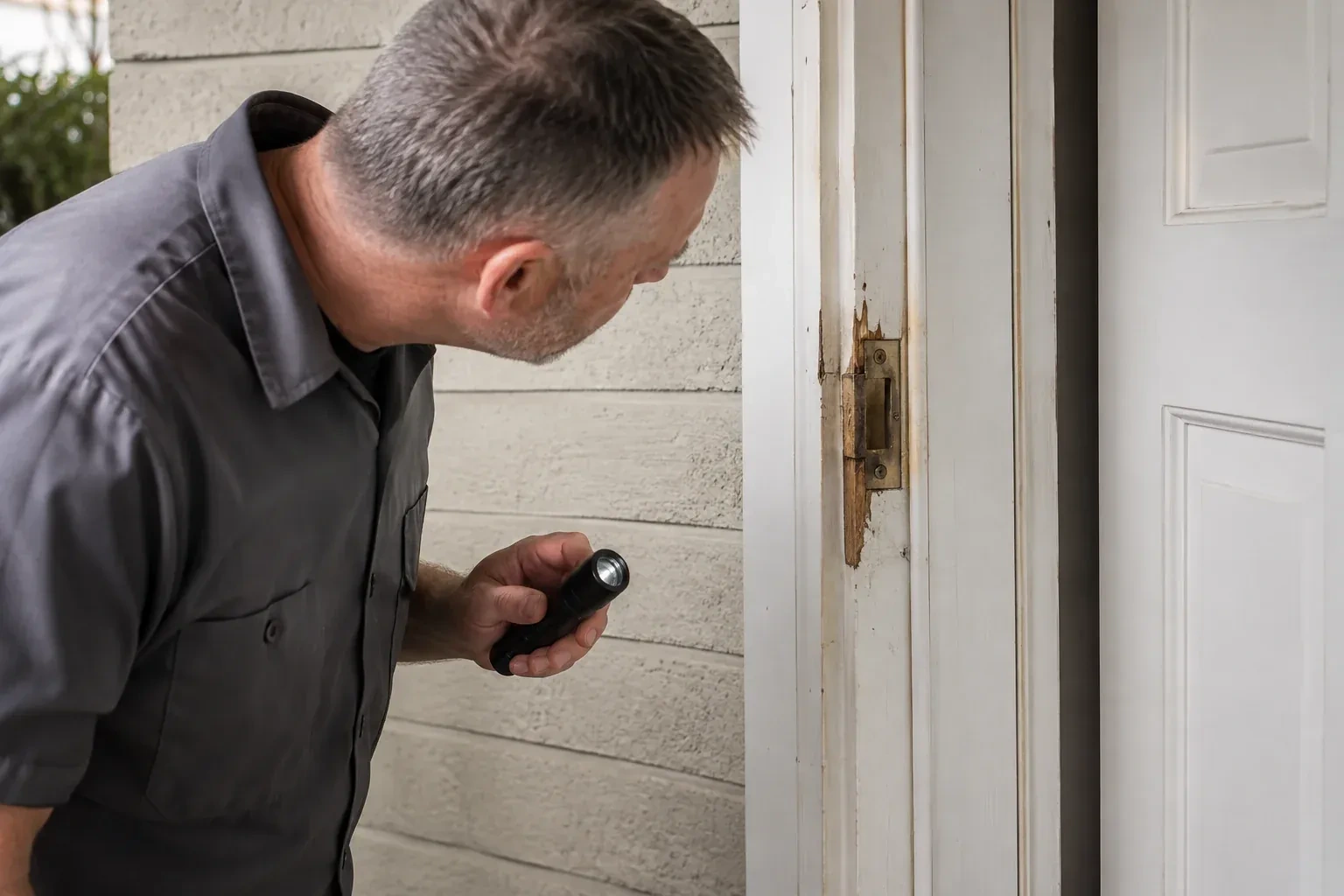
Someone tried the door last winter. The frame took it, but the strike plate is bent, one screw hole is stripped, and the bolt sits in the pocket at a slight angle. It still locks, and it still bothers you every night.
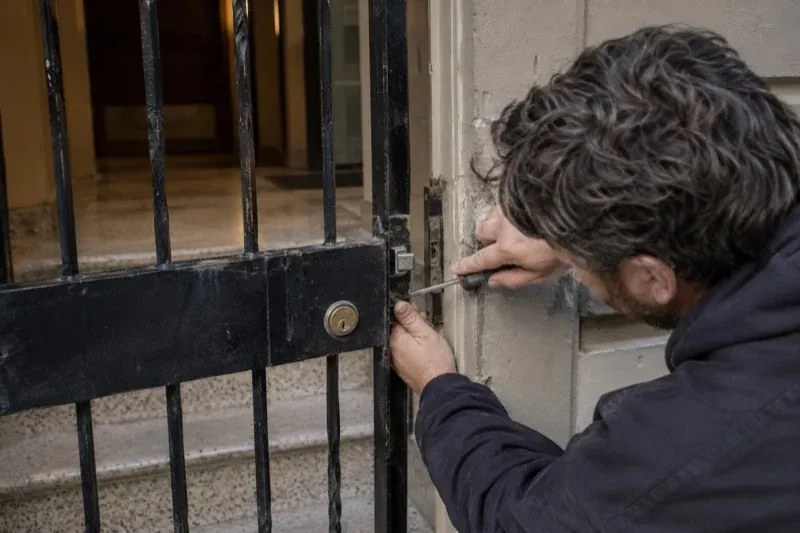
Every time the courtyard gate closes, it slams hard enough to rattle the fence panels, and the deadlatch never quite drops into the keeper before the spring yanks it the rest of the way. One good gust of wind and it bounces right back open.
The little brass key for your curbside mailbox was on the same ring as the one you lost at the gym last week. The lock itself is fine, but whoever finds that ring now has a way into your mail as well.
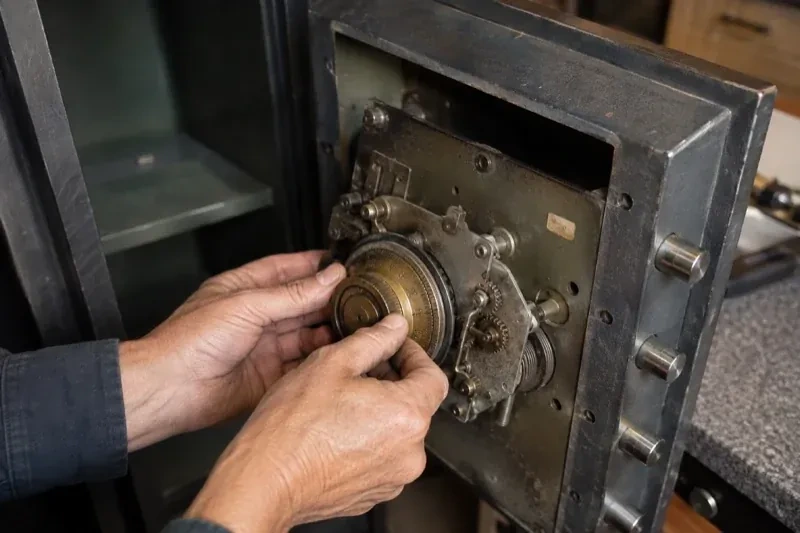
Pry marks circle the dial after an overnight break-in attempt, and the safe now refuses every number that used to open it, as if something inside has locked itself down.
The manager's key ring went missing somewhere between the bank and the car, and the master on it opened every door in the building. Until the cylinders are changed, whoever finds it is holding the run of the place.
Another employee left and the keys never came back. You changed the locks again, cut copies for everyone who stayed, and paid for a job that repeats itself the next time someone quits, taking a working key out the door with them.
Turning the key used to take one smooth motion. Lately it grinds partway through, sometimes needing a second attempt, and yesterday it stopped reaching start altogether. The key itself looks the same as always; something inside the ignition has changed instead.
Your key turns smoothly in the driver's door, the same as it always has, but the button underneath stays down and the latch never releases. The passenger side opens without any trouble, so the key itself is clearly not the source of the trouble.
Interchangeable-core high security cylinders let a business change a lock in moments by swapping the core with a control key, so a lost key means a core swap rather than a locksmith visit for every door. The page explains where that suits and where it does not.
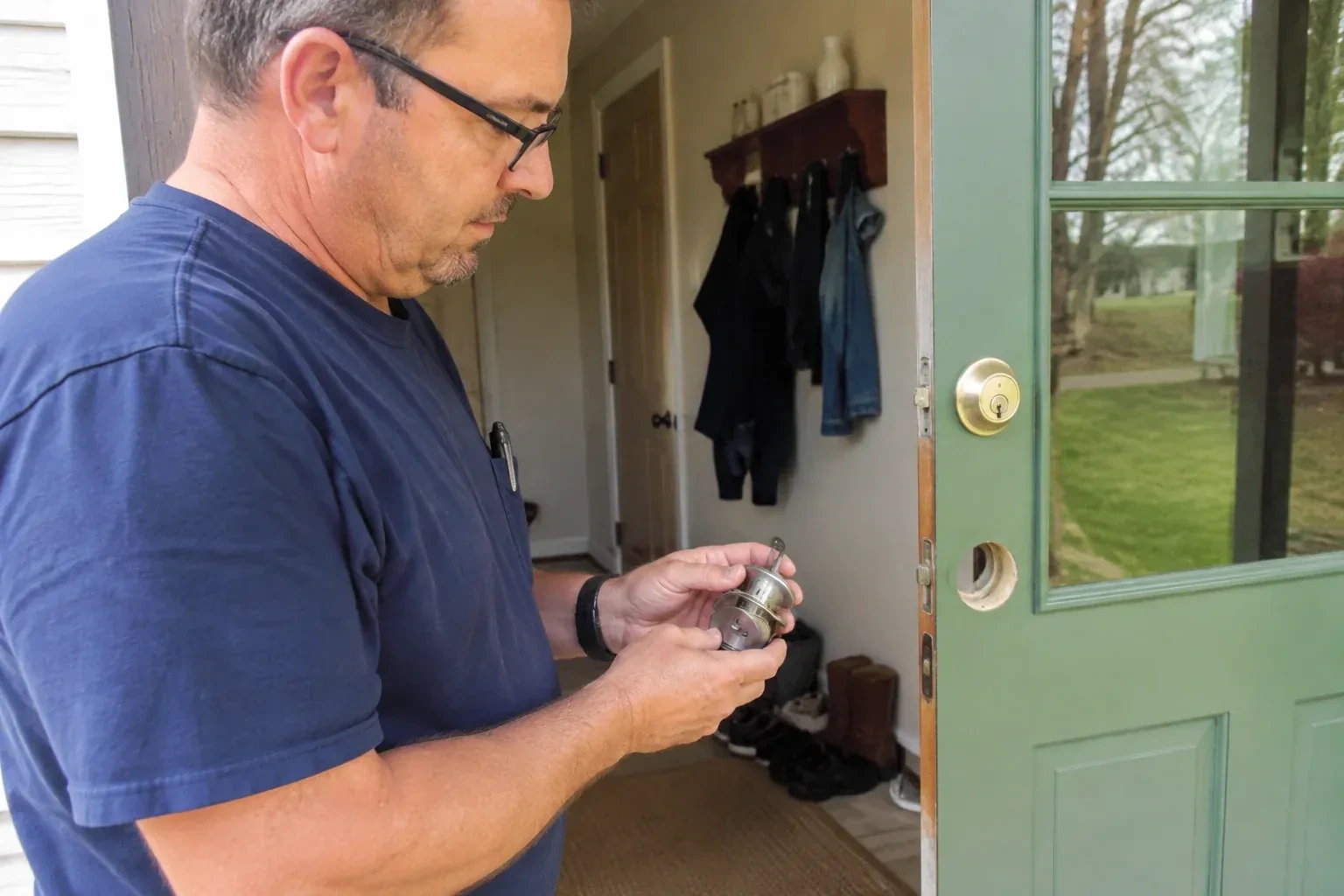
You bought a keypad deadbolt online and pulled the old one off, only to find the hole in the door is a different size and the bolt latch sits at a backset the new kit does not list.
Office managers, franchise owners, property managers and shopkeepers all come through the commercial pages. The work is the same trade as residential locksmithing, but the hardware is heavier, the keying is planned and the paperwork matters more.
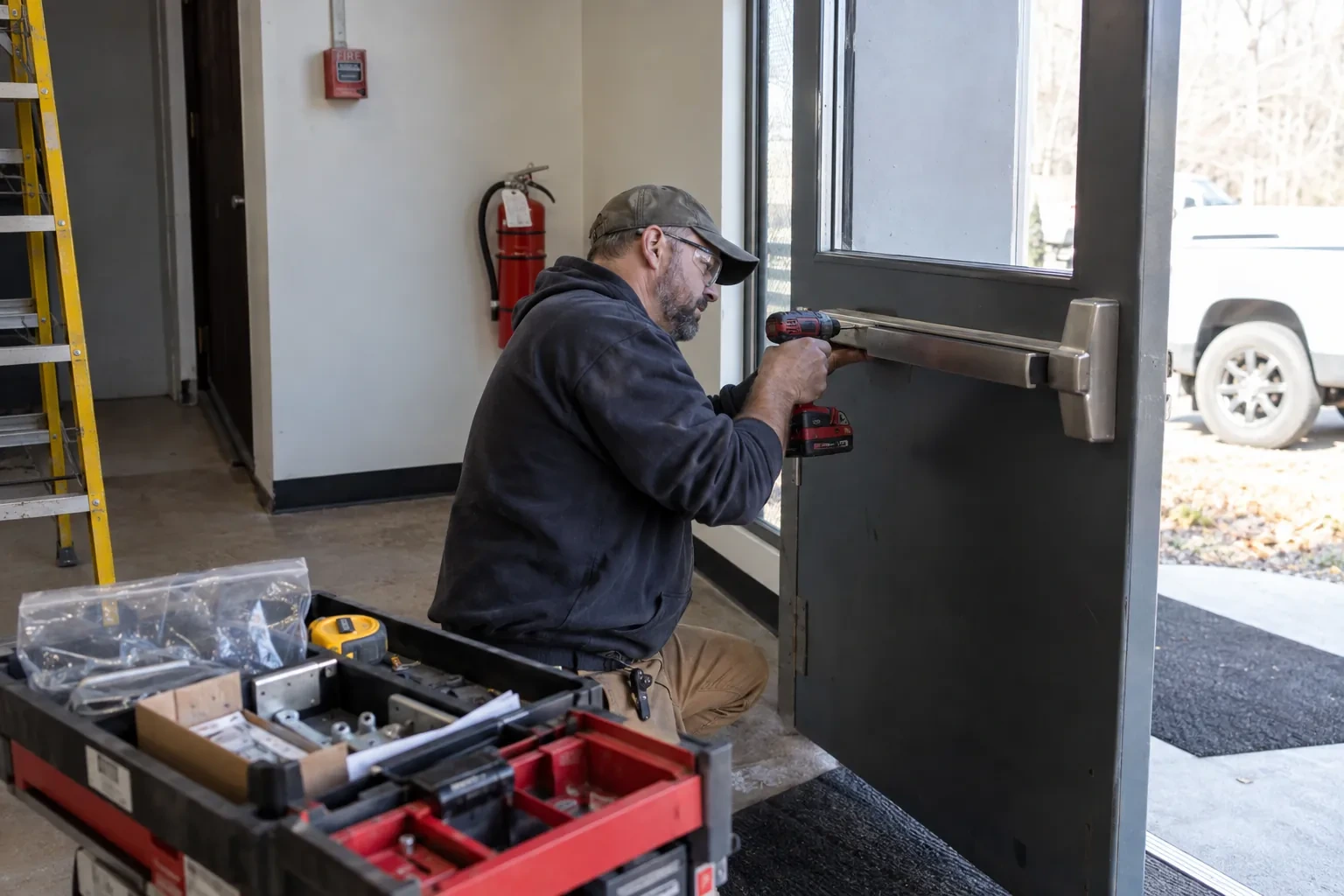
WhyFor a main exit door the hardware choice has a safety side as well as a security side.
Every time the courtyard gate closes, it slams hard enough to rattle the fence panels, and the deadlatch never quite drops into the keeper before the spring yanks it the rest of the way.
WhyHardware bolted to a gate or an exterior building door lives outside every day of the year, which is a different job from a lock tucked behind a storm door.
The little brass key for your curbside mailbox was on the same ring as the one you lost at the gym last week.
WhyOne compartment, one lock, one set of new keys, nothing else touched.
Pry marks circle the dial after an overnight break-in attempt, and the safe now refuses every number that used to open it, as if something inside has locked itself down.
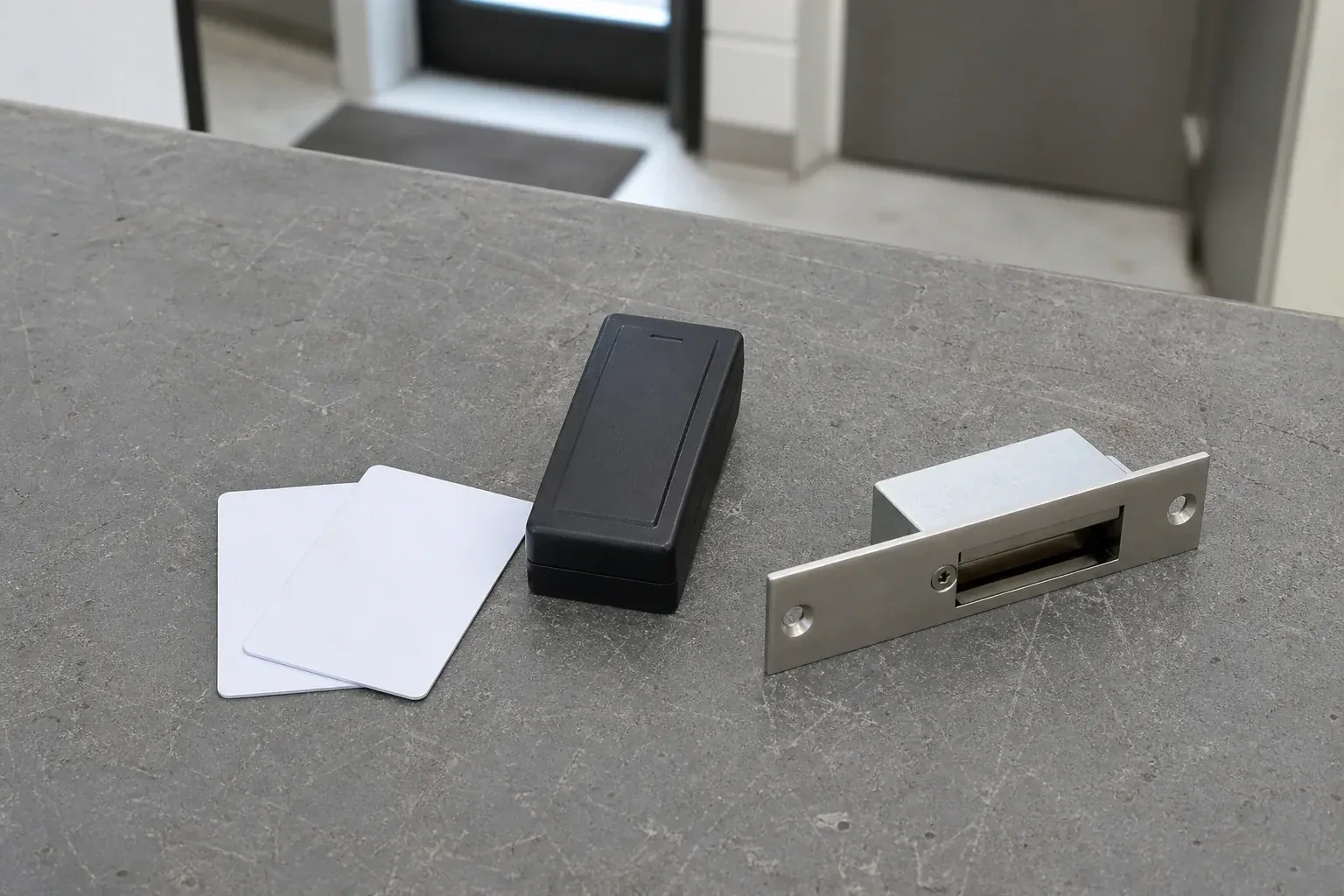
WhyWhere a building has more than one controlled door, a networked system lets each opening run its own schedule: the front office unlocked for regular hours, a stockroom open to two people only, a loading dock released for a delivery window, with the management software tying those schedules together.
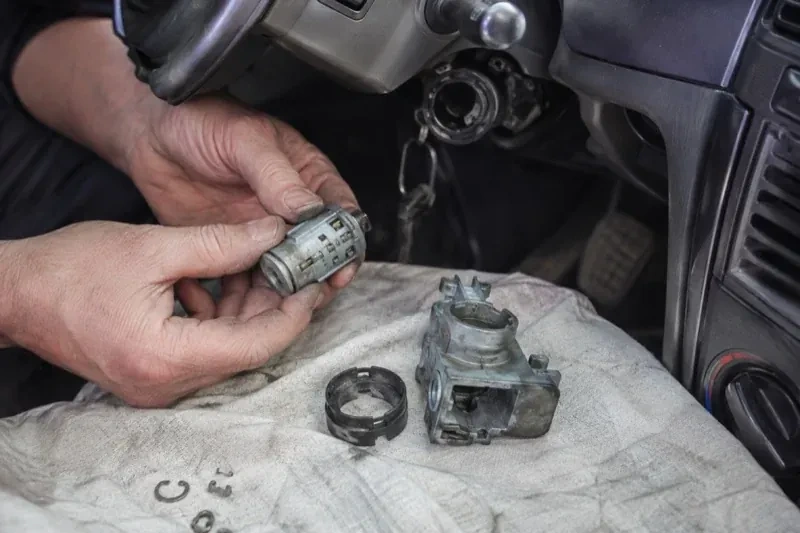
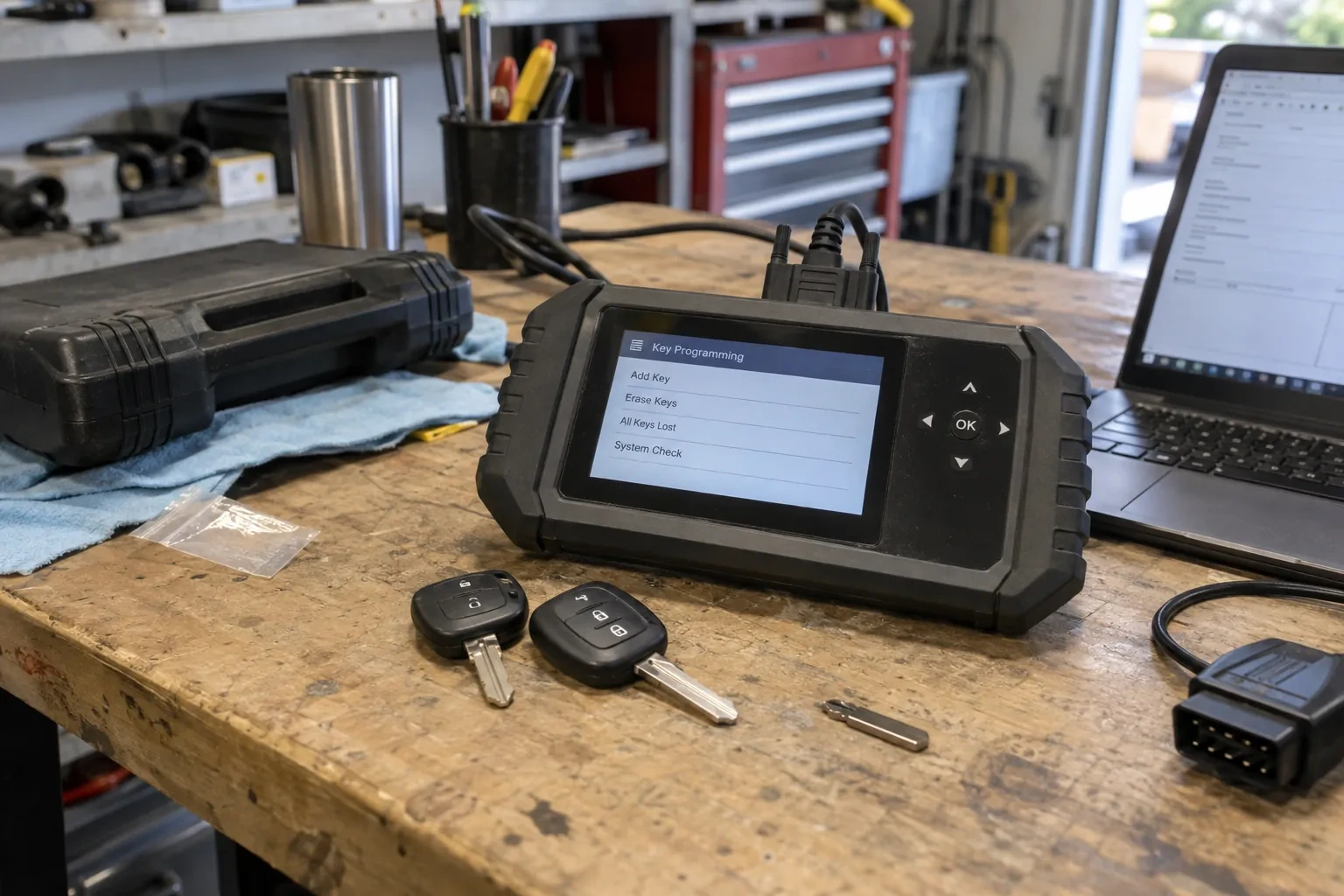
WhyIgnition Lock Repair addresses the mechanical cylinder in the vehicle's keyed ignition assembly, commonly at the steering column though some are instrument-panel mounted, that a key turns through accessory, on and start, separately from any electronic immobilizer or transponder system layered behind it.
Your key turns smoothly in the driver's door, the same as it always has, but the button underneath stays down and the latch never releases.
WhyWeather leaves its mark on vehicle locks over the years.
How a visit goes
Describe the property, the hardware and what has changed, and the visit starts from what you have seen.
1
2
3
01
Planning the levels
Together we list the doors, then decide who should open everything, who should open a floor and who should open one room. That structure becomes the keying chart.
02
Pinning to the chart
Every cylinder is pinned so the right keys work and nothing else does. We check each combination against the chart as we go, not at the end.
03
Delivering keys and the record
You receive the keys labelled by level, the chart and a plain explanation of how to add a door or retire a key later without redoing the whole system.
Say what the key does: refuses to turn, spins without effect, or works only when the door is pushed or pulled. Name the lock type if you can, whether it is a deadbolt, knob, lever or an old mortise lock, and which side of the building the door faces. Mention recent weather, any spray that went into the keyway, any other door you can use, and whether anyone is inside. That short list decides the tools that come.
What is the difference between a deadbolt and the lock in my door knob?
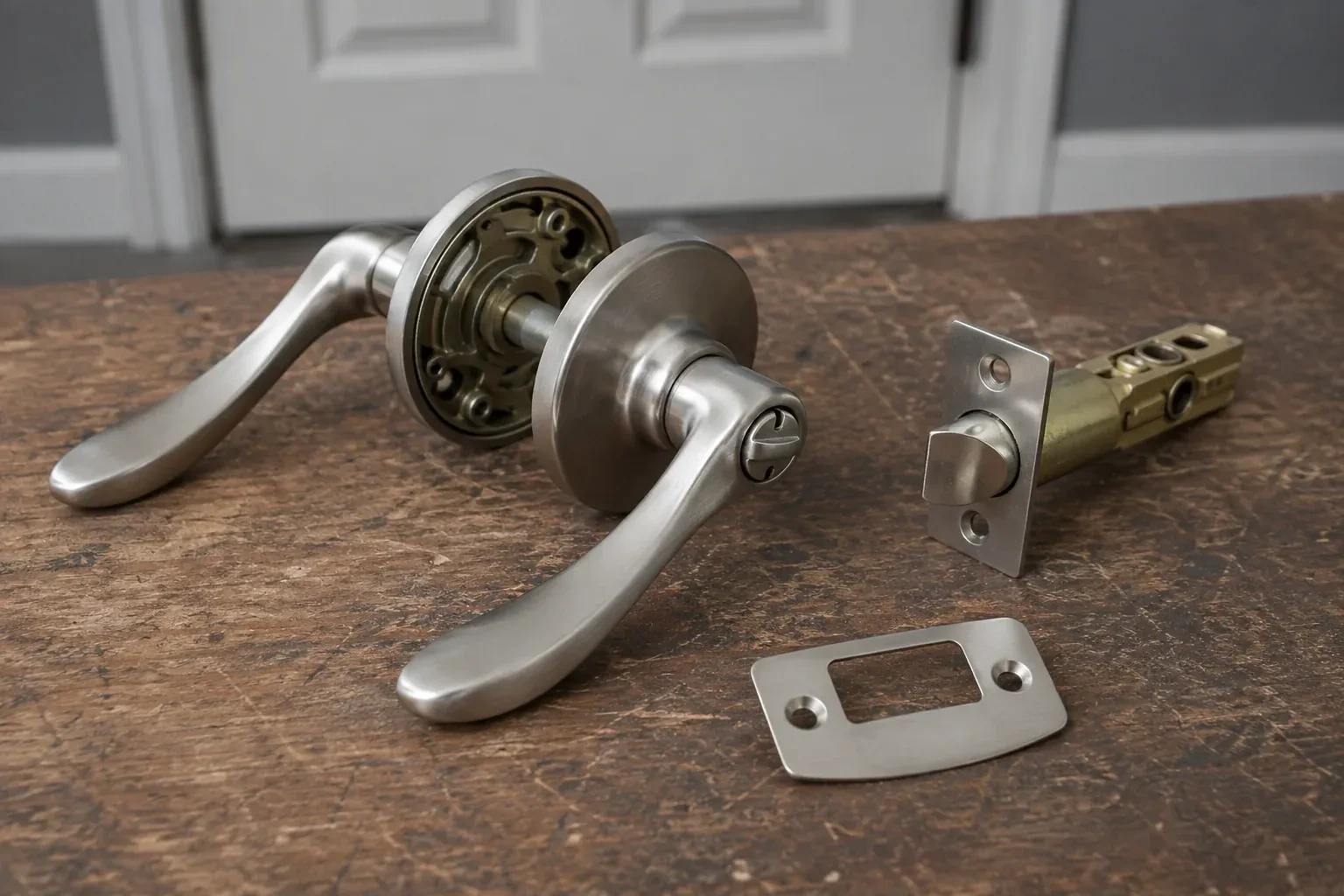
The knob or lever holds the door shut with a spring latch: a bevelled tongue that snaps into the frame and can be pushed back by anything slid into the gap. A deadbolt is a solid rectangular bar driven by the key or thumb-turn alone, and when fully thrown it locks in place so it cannot be pressed back from the edge. The knob keeps the door closed; the deadbolt keeps it locked.
What is a good option for a gate that delivery drivers or a maintenance crew need occasional access to?
A keypad or a lockbox with a rotating code works well there, since access can be shared without handing out a physical key that has to come back later. A weather-rated cylinder with a separate access key is another option if the property already runs on a keyed system. The locksmith can talk through how often the code should change and who on site should know it, so the gate stays convenient without staying open to everyone.
My mailbox is in a condo or apartment lobby panel. Who authorizes the work?
For a single resident's compartment, proof tying that person to the unit is usually enough. For a run of compartments changed together, the property manager or superintendent coordinates the visit and confirms which units are involved, and each compartment is still checked against a resident or the building's own records before its lock is touched.
Can the same visit both open the safe and service it?
Yes. Once the safe is open, the lock is inspected for wear, corrosion or damage, repaired or replaced if needed, and reset to a new combination in the same visit. Any bolt work or handle issue found along the way is addressed at the same time rather than requiring a separate appointment.
Can all our doors be put on a single key?
Yes, if the cylinders share a keyway or can be fitted with ones that do. Keying everything alike is popular with small shops because staff carry one key and spares are simple. The trade-off is that one key then opens the cash room as readily as the front door. Many businesses choose a middle path: the doors everyone uses on one key, the sensitive rooms on another, and an owner's master that opens both.
Can visitors or contractors be given temporary access?
Yes, a temporary credential can be issued for a contractor, a cleaner, or a visitor with its own schedule and, where the system supports it, an expiry so it stops working on its own once the job is done. This avoids handing out a permanent code or a key that then has to be tracked down and collected afterward.
Can this work be done in my driveway, or do I need a shop?
Most ignition lock repair happens wherever the vehicle already is, a driveway, a lot, a curb, since the tools travel well even though the mechanism is reached from inside the vehicle, at the column or instrument panel. A shop becomes necessary when specialized dealer equipment, an electronic diagnosis, parts availability or the mechanical repair itself calls for it.
My key turns but the door will not open. What does that usually mean?
A key that spins without effect points to the connection behind the cylinder rather than the cylinder itself: the linkage rod that carries the turning motion to the latch has likely slipped off its clip or broken. Reconnecting or replacing that rod typically restores normal operation.
Request a visit
Older houses in Mississauga get a locksmith who respects them. We work around original trim, keep period hardware where it can be kept, and match finishes when something new is needed so the door still looks like it belongs to the house. Modern security can sit behind a hundred-year-old face; that is a matter of choosing parts carefully.