Car keys · Mississauga
Spare Car Key Duplication
A teenager just passed a driving test and reasonably wants a key of their own rather than negotiating over the family's single copy every time the car is needed.
In plain words
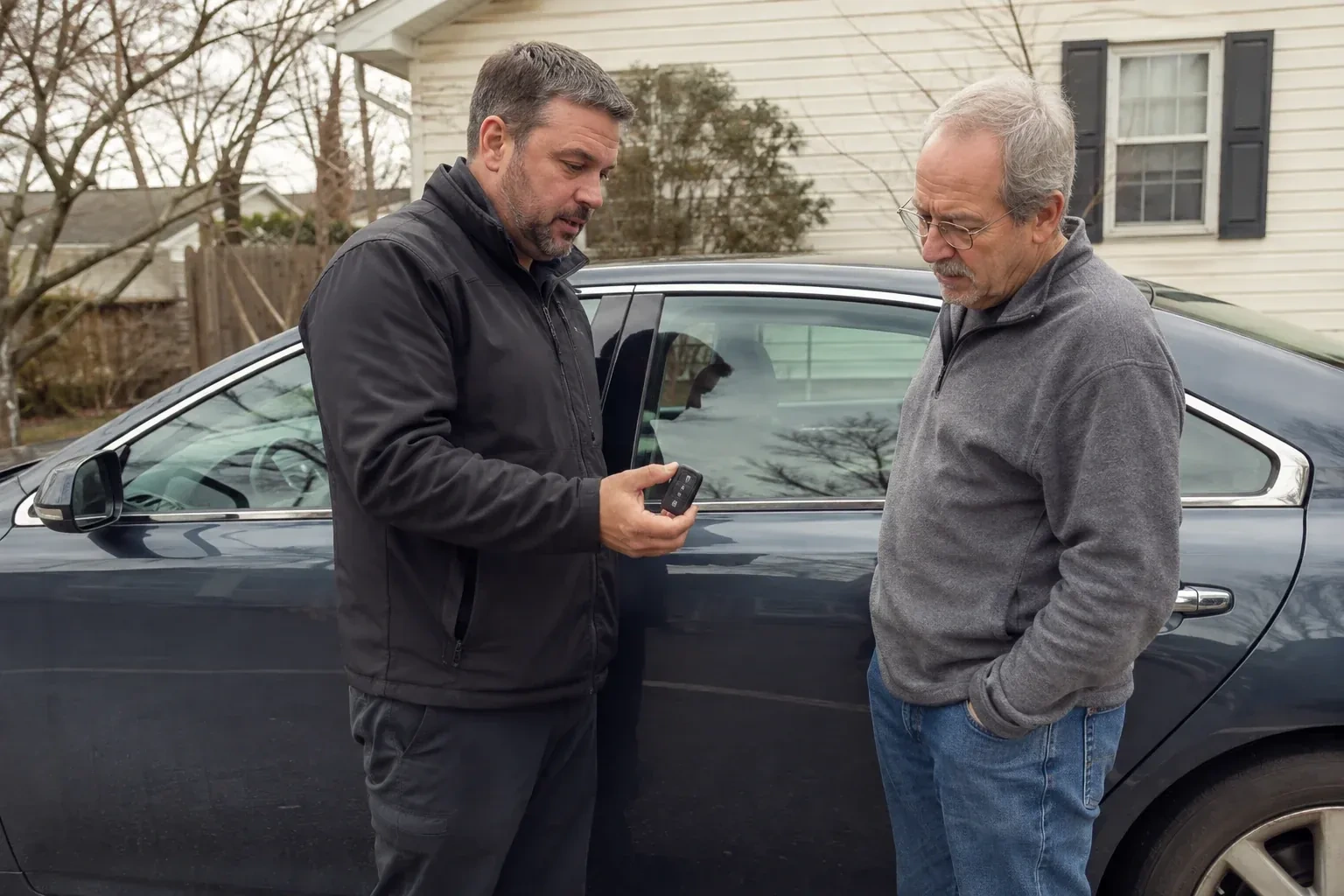
Making a spare before the original goes missing is simpler than making one after, because the whole process is built from a working key to read or trace from. With the vehicle and its existing key both present, the locksmith identifies the blade profile and the chip or coding the immobilizer expects, produces a matching blank, and gives it the same electronic identity as the first key. Testing both keys side by side in every door and the ignition confirms the spare performs the same way, so a future lost key becomes an errand rather than a call for entry.
How the visit goesTwo coworkers share one delivery van and one key between them, trading it at the start and end of every shift in a parking lot. A missed handoff leaves someone standing beside a locked van with nowhere else to be.
Spare Car Key Duplication
How the visit goes
Looking at the working key itself
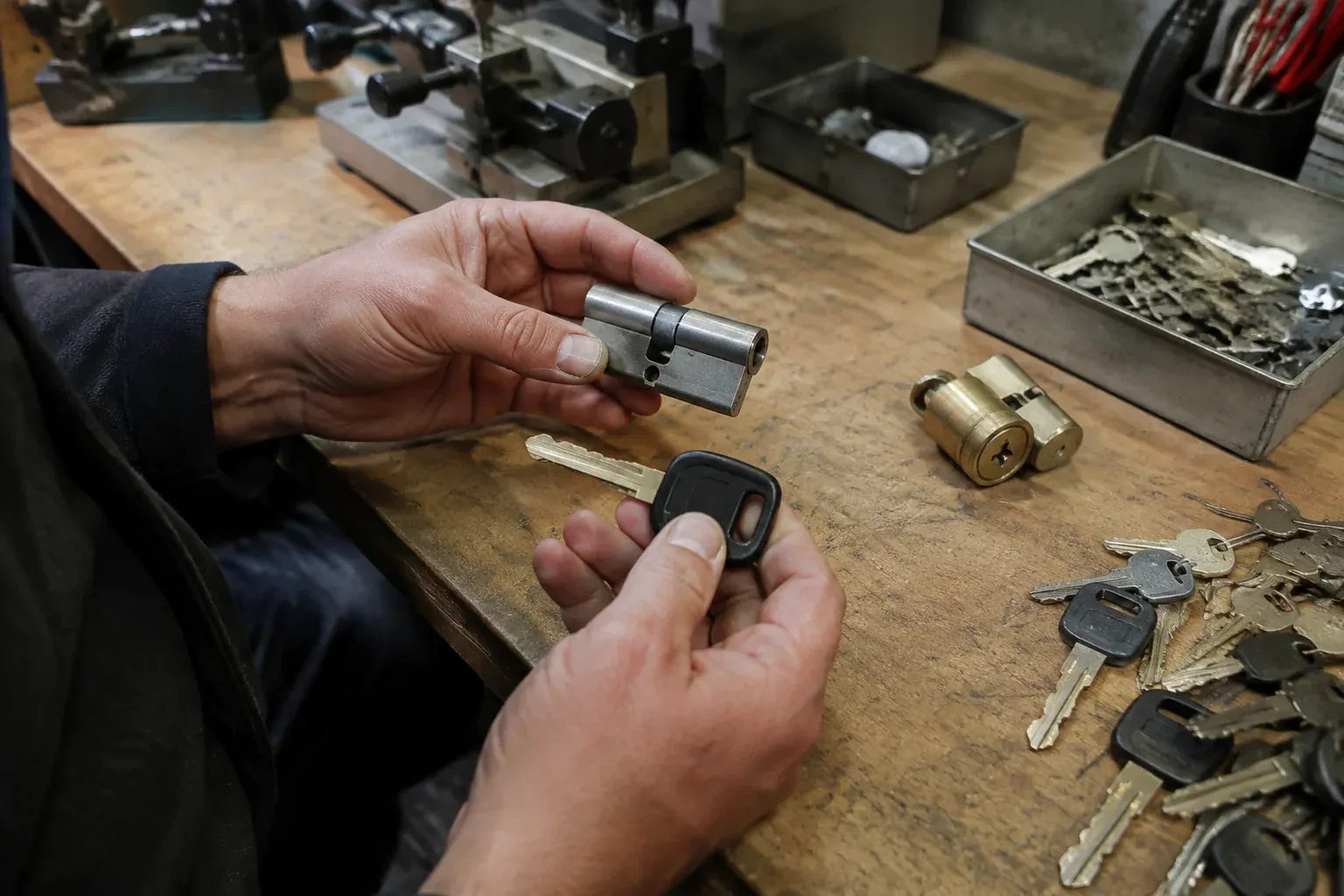
The existing key is examined for exactly what it is: a plain blade, a blade carrying a transponder chip, a remote head with buttons built into the plastic, or a proximity fob meant to stay in a pocket. Wear matters too; a blade that has thinned unevenly or a button that sticks tells the locksmith what to expect when it is time to trace or copy from it, and whether the original itself might be due for retirement once the spare exists. A key that has already been altered, filed or repaired is noted before it becomes the reference for a new copy.
Testing every key before the visit ends
Once cutting and programming are finished, each key is tested independently: every door lock, the trunk or hatch, the ignition or the start button, and any remote functions, with the other key set aside so neither test is quietly helped along by a second signal nearby. The vehicle is started and shut off more than once to rule out an intermittent fault, and remote buttons are pressed from a normal distance rather than pressed against the car. Only once both keys pass on their own is the appointment considered complete, rather than treating a single successful start as proof enough.
Caring for the new key
A freshly cut blade benefits from being wiped clean of any cutting residue and given a light turn in each lock it is meant to open, which also confirms nothing was missed during testing. A new fob's battery is fresh from the visit, but it is worth noting the battery type on a label or in a phone note so a future replacement does not mean guessing at the hardware store. Keeping the spare's ring separate from a bunch of house keys also reduces wear on the blade from constant jostling against harder metal edges.
Spare Car Key Duplication
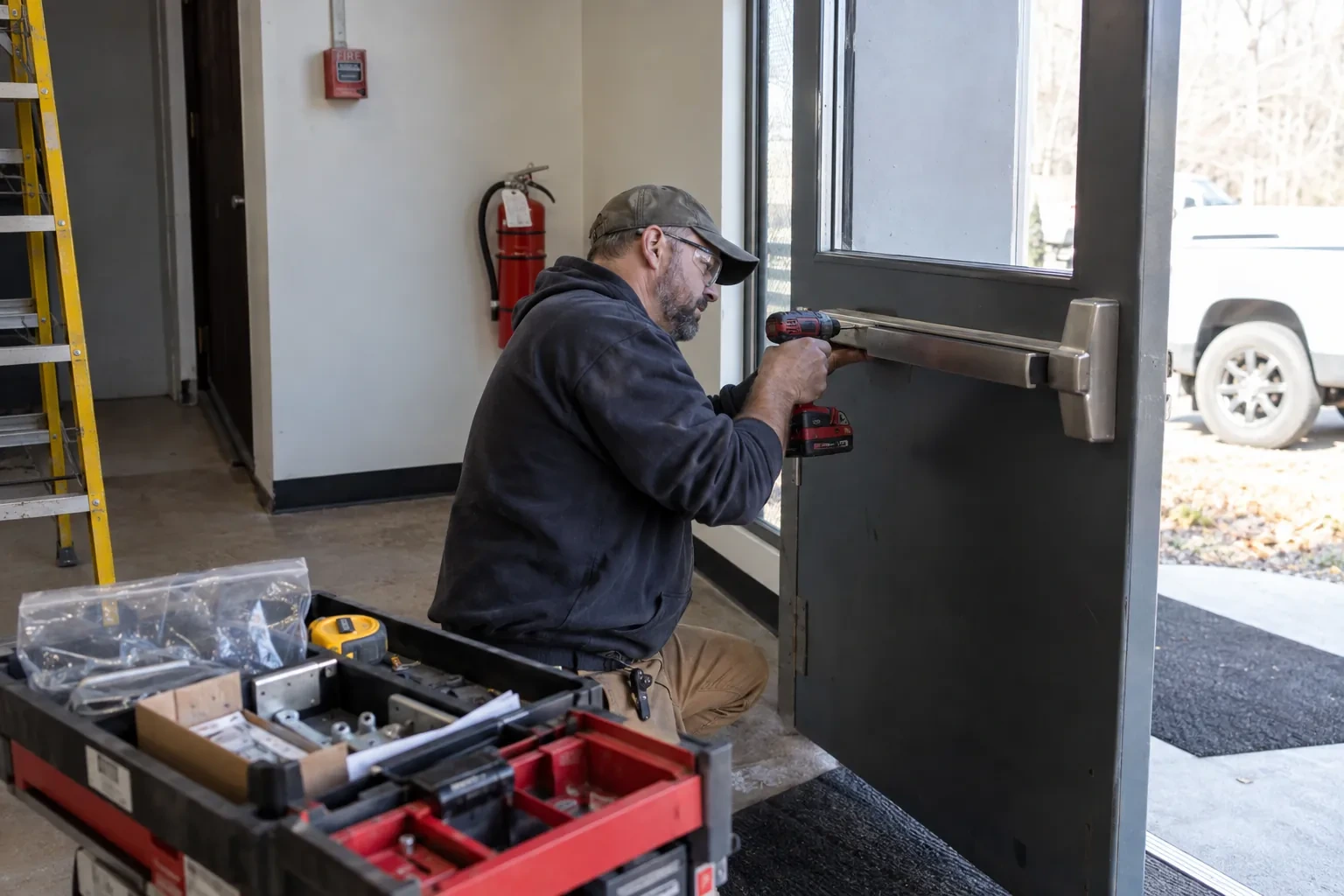
In the van
Coin-cell fob battery
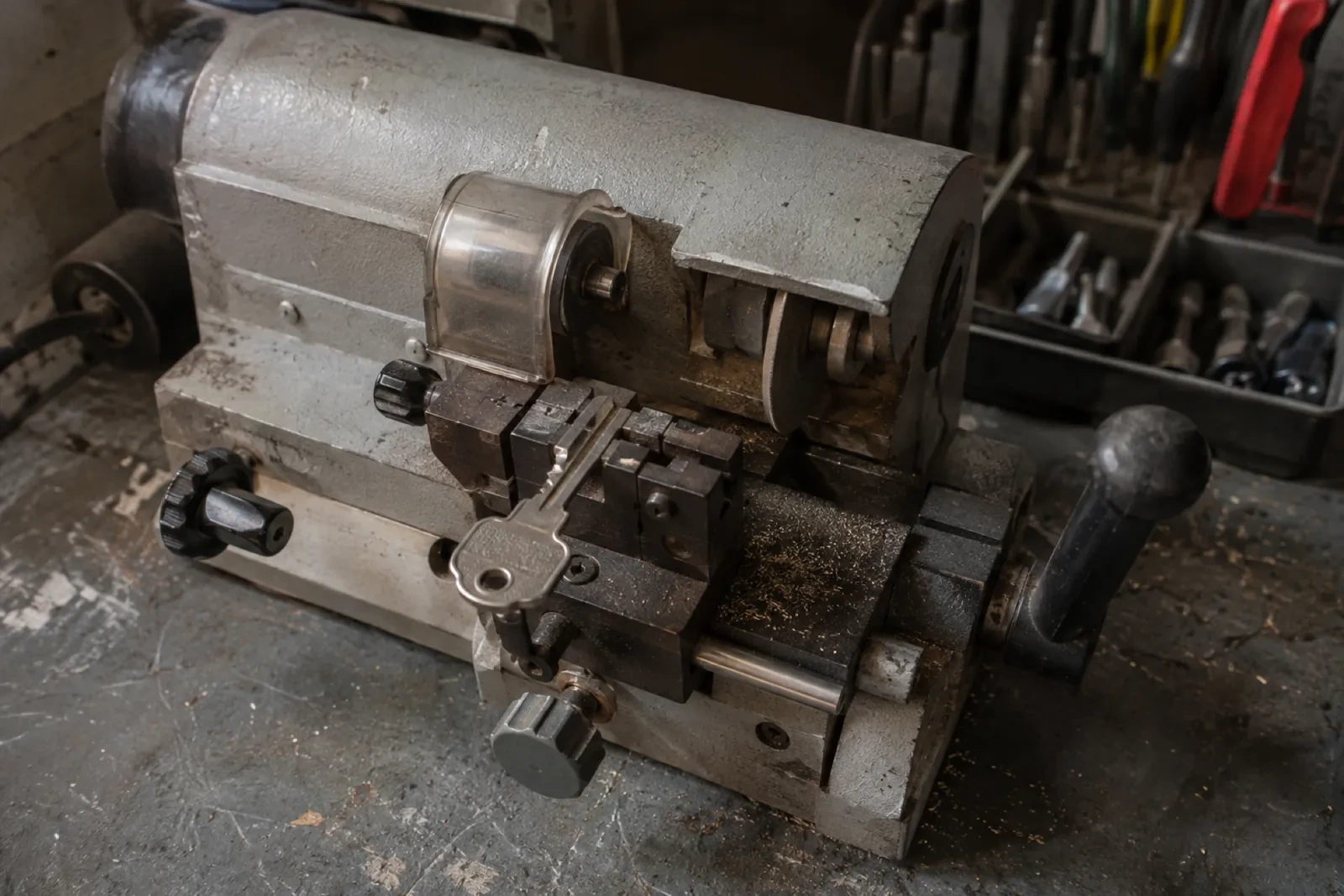
Code-cutting machine
Proximity fob shell
Transponder chip
Key blank matched to blade profile
Spare Car Key Duplication
What affects the quote
Timing around the day's other calls
A visit that fits between other scheduled stops is generally simpler to arrange than one needing a dedicated block of time set aside on its own.
Fob battery and physical condition
A fob that needs a fresh battery or shows cracking or water exposure adds a small amount of extra work beyond programming a key that is otherwise in good shape.
Condition of the working key
A clean, unworn original traces onto a blank without much fuss, while a thinned or damaged blade may need cutting to a factory code instead, which is a different process with its own materials.
What to have ready
- Do you currently have one working key, or more than one?
- How many spare keys would you like made?
- What year, make and model is the vehicle?
Spare Car Key Duplication: questions
QuestionsHow long does making a spare car key usually take?
The time depends mainly on the key system rather than the blade. A plain mechanical key can often be duplicated within one visit, without extra electronic work. A transponder or remote-head key adds a cloning or programming step, done off the vehicle when the chip supports it and through the vehicle's own diagnostic port when it does not, with the diagnostic route usually taking longer. The locksmith can usually say which category your vehicle falls into once the make, model and year are known, before the appointment starts.
Does cold weather affect a key fob?
Yes, in a couple of small ways. Battery performance drops in cold temperatures, so a fob that already had a fading battery is more likely to act up on a cold morning, and a proximity system's range can feel shorter in the cold as well. Testing a spare's battery before winter, and keeping a spare battery on hand, avoids being caught out by either.
Can spare keys be made for older vehicles without a chip?
Yes, and it is usually the most straightforward version of this service. A vehicle old enough to use a plain mechanical key has no chip to read or program, so the whole job is cutting a matching blade, either traced from the original or cut to code, and testing it in every lock the first key opens.
Related services
- Car Key ReplacementYou bought the car privately and it came with a single key on a shoelace.
- Key Fob ProgrammingA cracked case or a spin through the wash left the fob unresponsive, and opening it up reveals a slightly corroded board where the buttons used to sit.
- Transponder Key ProgrammingThe car came with a single key when the sale went through, and that key is the only thing standing between the household and being stranded.