Car keys · Mississauga
Motorcycle & Scooter Keys
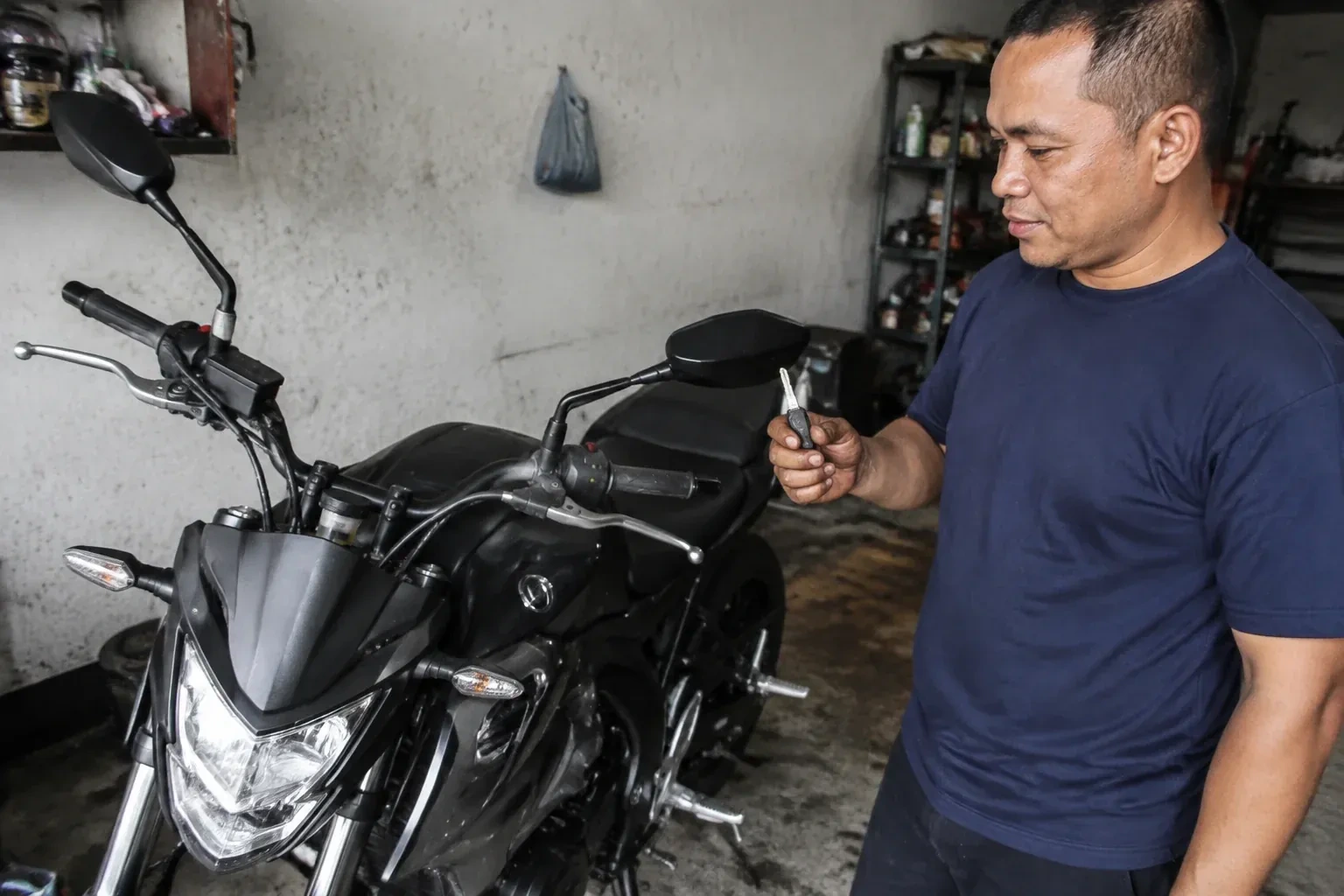
The key still opens the seat and unlocks the fork, but at the ignition it needs a slow half-turn and a small lift before the switch engages, a habit that has crept in over years of daily starts.
In plain words
A machine bought without a full history often arrives with one worn key and no idea what, if anything, opens the seat or the fuel cap. Key service in that situation starts by identifying every lock on the machine and testing whichever key came with it against each one, then decoding or cutting whatever the existing key does not already cover. The result is a full, known set of keys for the machine rather than a single blade of uncertain origin.
How the visit goesThe dash lights come on, the starter cranks, and the engine simply refuses to catch, though the same key has run this bike since it was new. It could be the key and ignition module no longer agreeing, or an ordinary fuel or ignition fault sharing the same symptom.
Motorcycle & Scooter Keys
How the visit goes
Mapping every lock on the machine
A motorcycle rarely has just one lock, so the locksmith walks around it noting the ignition and steering, the seat latch, a fuel cap on older models, and any storage compartment, top case or helmet lock fitted afterward. Each is checked against whichever key the owner has, since it is common for one or two of them to already share a cut while another was left on its own from the factory or a previous repair. Knowing the full list before starting means the finished key set covers every lock the owner actually wants, not just the one that prompted the call.
Freeing a seized steering lock
A steering lock seized by rust, dried grease or months of disuse is worked open with the cleaning method the lock's own maker directs and small, repeated movements rather than a harder push on the key. The locksmith lets the fluid sit, works the lock gently from both directions, and repeats rather than reaching for more force, since a stuck lock forced past its resistance is more likely to break internally than release cleanly. Once it turns freely through its full range, it is cycled several times and dressed with whatever lubricant its maker specifies so it moves easily the next time the machine is parked.
Noticing trouble early
A key that has begun needing a small wiggle or a lift to turn, on a lock that used to accept it cleanly, is an early sign worth acting on before it becomes a lock that will not turn at all. The same goes for a steering lock that has started to feel stiffer than it used to, or a seat latch that catches before it releases. Addressing any of these while the key still works, rather than after it stops working altogether, is usually the calmer of the two visits.
Motorcycle & Scooter Keys
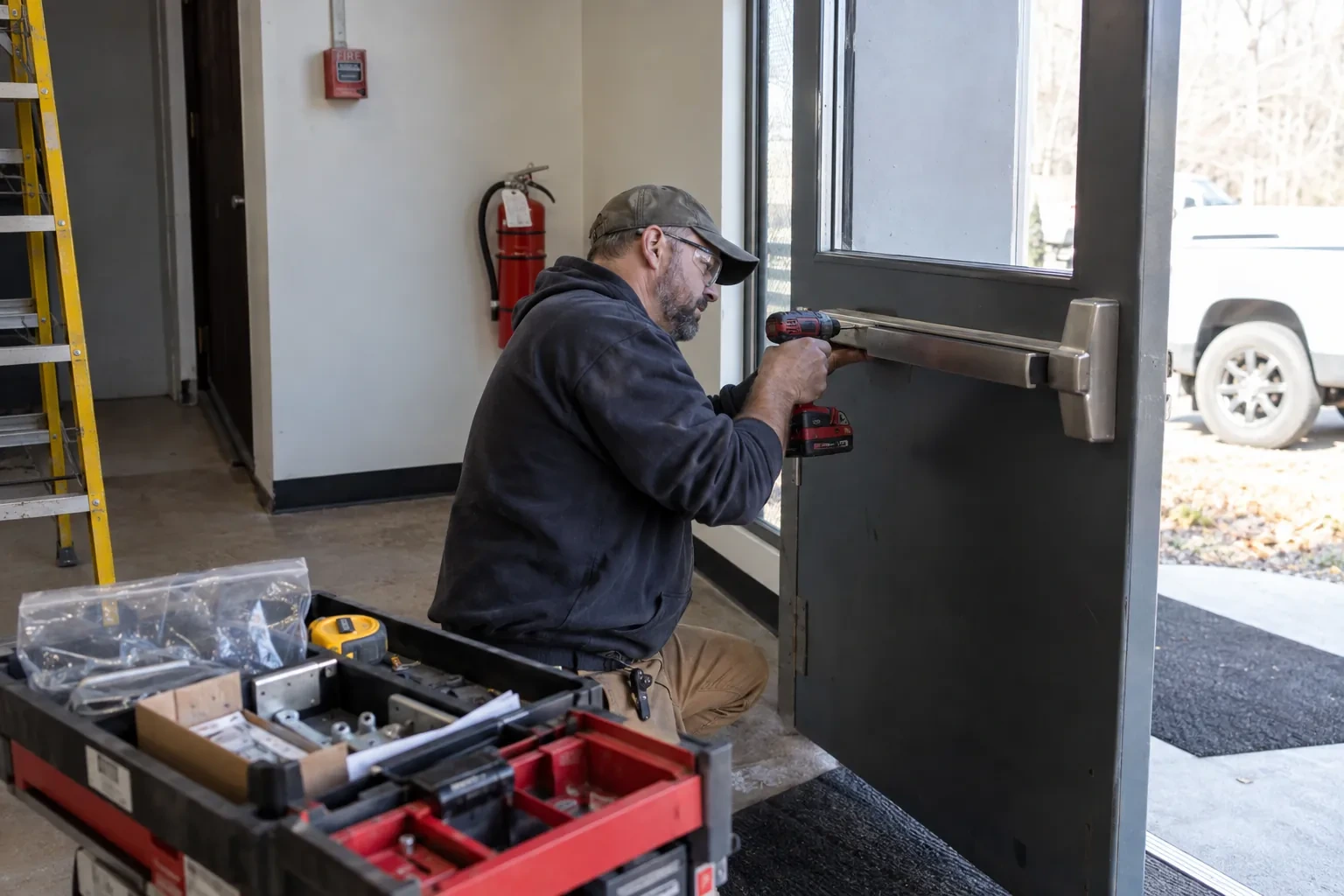
In the van
Motorcycle key blanks
Transponder programming unit
Penetrating fluid
Wafer lock decoder
Replacement ignition or steering lock
Motorcycle & Scooter Keys
What affects the quote
Distance to the machine's location
Distance to wherever the machine is kept, whether a driveway across town or a more remote property, is part of every call, and travel time is reflected alongside the key work itself.
Number of new keys cut
Keys cut on site are counted individually. Two for a rider and a partner, or several for a household that shares the machine, is reflected directly in the total.
Make, model and age of the machine
Make, model and age decide how common the keyway and blank are. A widely used platform is usually the more straightforward case; an uncommon or older machine can take longer to source parts for.
What to have ready
- Which locks need to be included: ignition, seat, fuel cap, storage?
- Do you have registration or a bill of sale on hand?
- Does the engine crank but fail to start with the current key?
Motorcycle & Scooter Keys: questions
QuestionsWhy does the number of wafers in a lock matter?
Each wafer represents one depth the key has to hit precisely for the lock to turn, so a lock with more wafers has more combinations and takes a little longer to decode or pick than a simpler one. Most motorcycle locks use around five wafers, and manufacturers sometimes space the depth increments further apart specifically to reduce the chance that an unrelated key happens to fit. This is why an ordinary-looking key rarely works in an unrelated bike.
What is a good way to keep a spare key safe?
Somewhere away from the machine itself is the main principle: not under the seat, in a saddlebag, or taped inside a compartment, since those are the first places anyone checks. A drawer at home, a family member's keyring, or a small lockbox mounted separately all work. Testing the spare on the actual lock before relying on it confirms it will do the job the one time it is needed.
Should I get a whole new ignition switch or just a new key?
That depends on the lock's condition rather than the key alone. If the wafers and springs inside are still sound, a correctly cut key restores normal operation without any hardware changed. A lock with worn-oval wafers, a cracked housing, or damage from an earlier forced attempt is better replaced outright, since a new key cannot compensate for parts that have physically worn or broken.
Related services
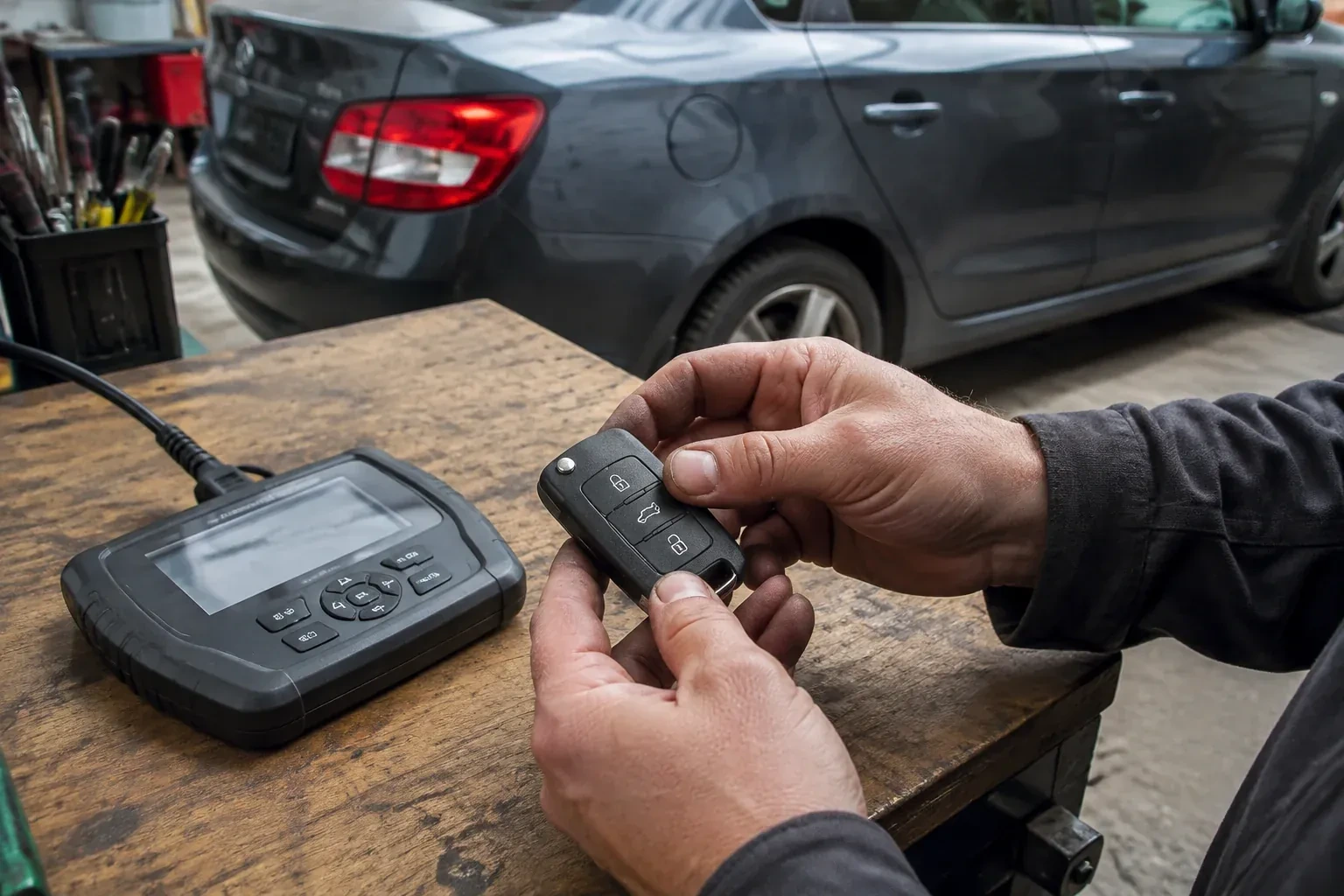
- Car Key ReplacementYou bought the car privately and it came with a single key on a shoelace.
- Spare Car Key DuplicationA teenager just passed a driving test and reasonably wants a key of their own rather than negotiating over the family's single copy every time the car is needed.
- Key Fob ProgrammingA cracked case or a spin through the wash left the fob unresponsive, and opening it up reveals a slightly corroded board where the buttons used to sit.