High security
High Security Locks
Interchangeable-core high security cylinders let a business change a lock in moments by swapping the core with a control key, so a lost key means a core swap rather than a locksmith visit for every door. The page explains where that suits and where it does not.
Which one do I need?
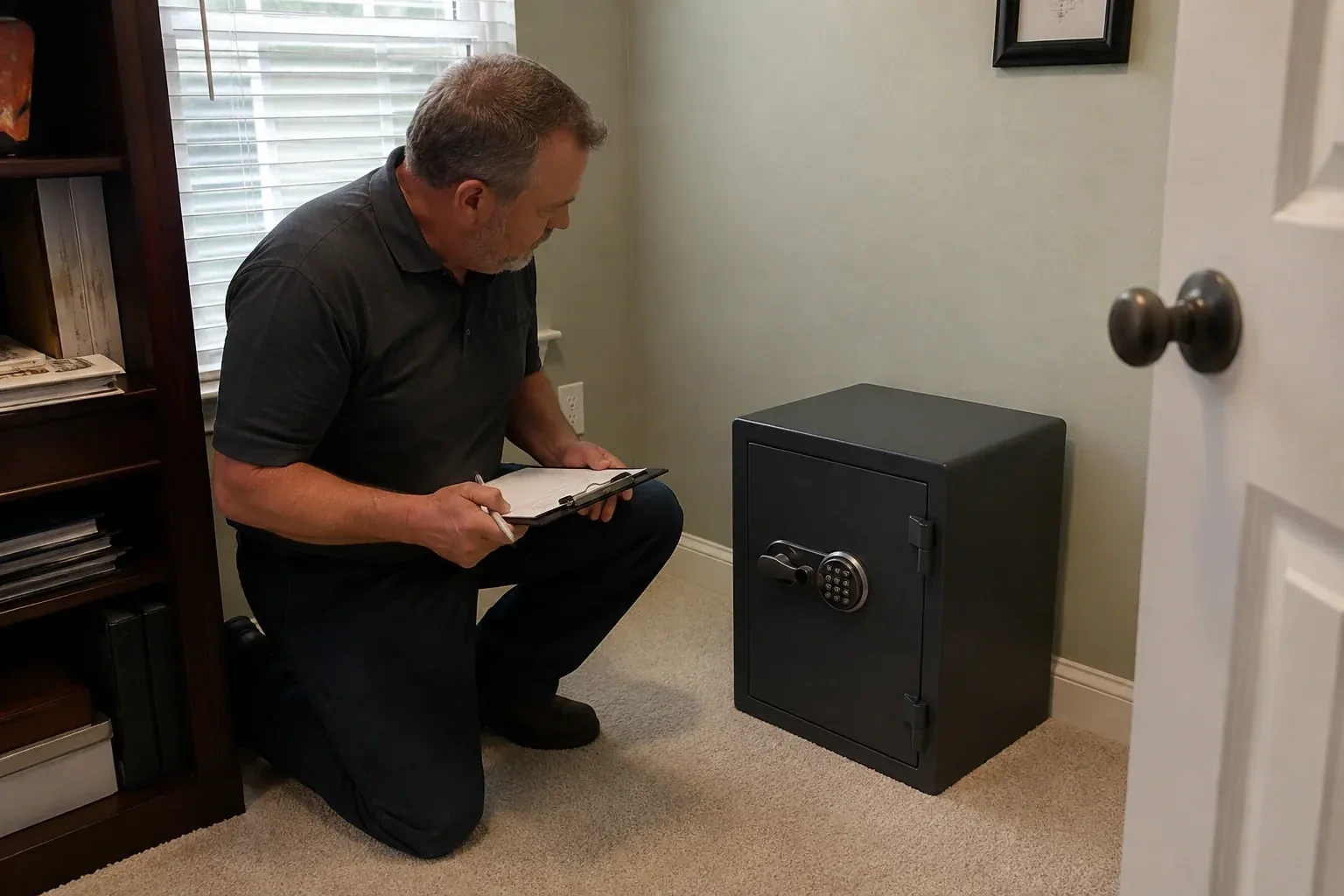
- The new manager took over the shop last month and only now needs the back-office safe open, but the combination the previous owner was supposed to leave in writing never turned up anywhere in the handover file.Safe Opening & Combination Change
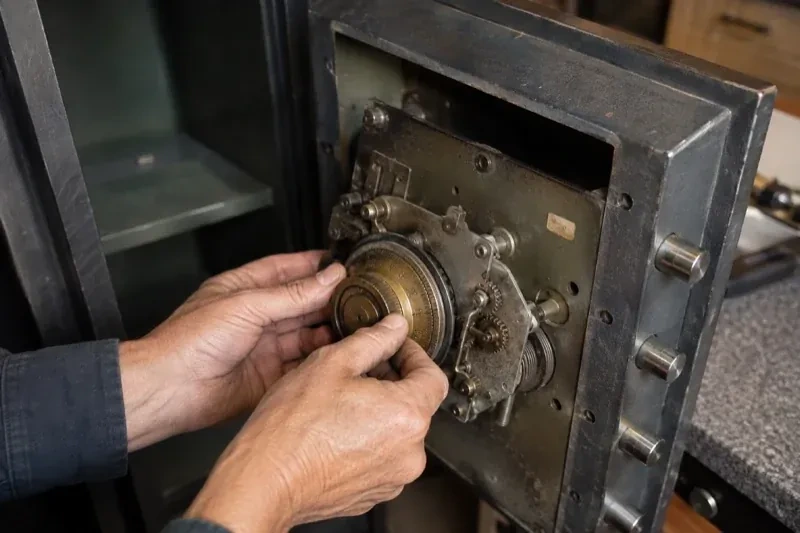
- A homeowner inherited a heavy old dial safe from a parent's house, moved it into the new place, and has no idea whether the bolt-work still works, whether the lock is sound, or how it should be anchored.Safe Installation & Servicing
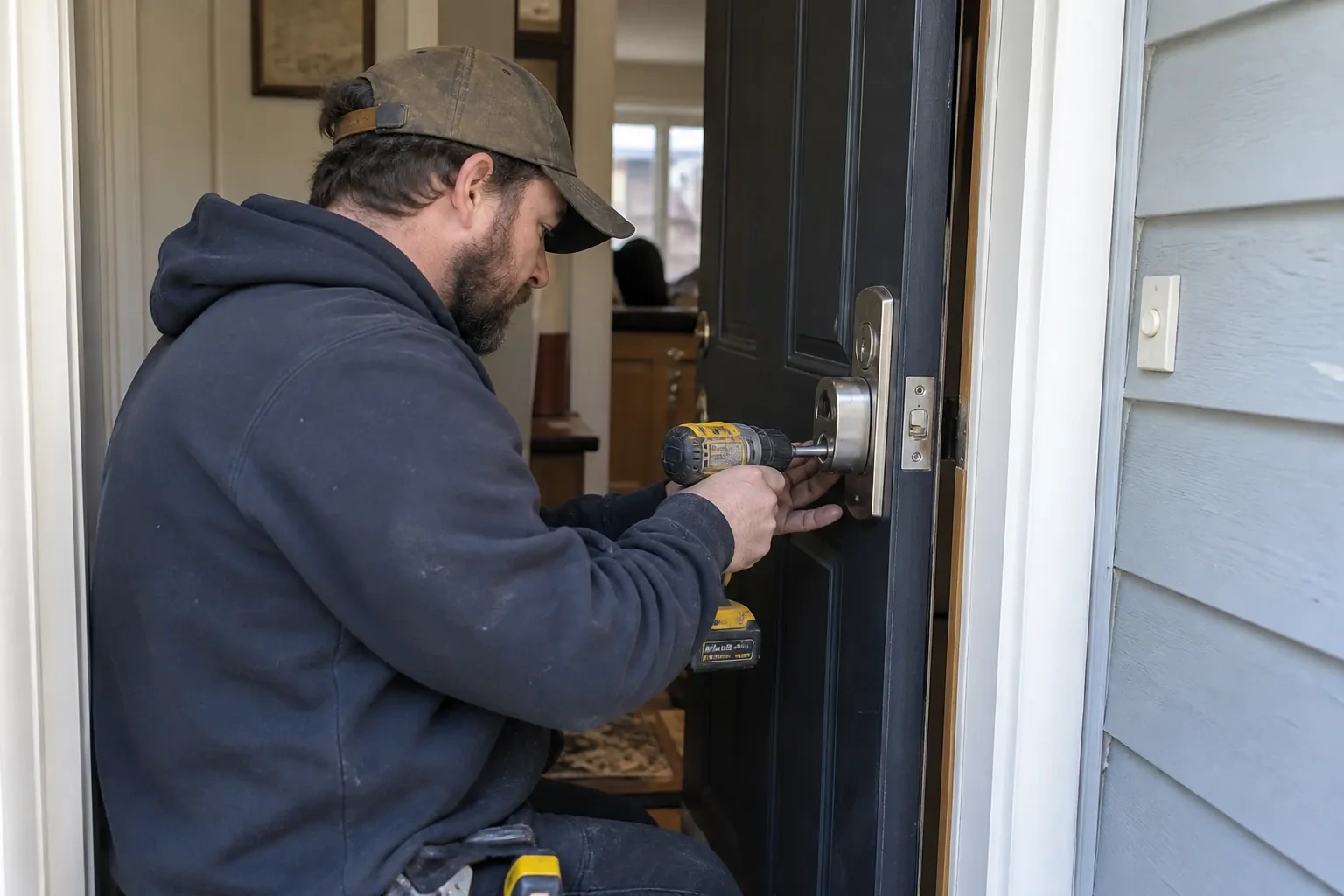
- After the attempted break-in the police officer pointed at your door and said the strike plate was held by two short screws.High Security Locks
High Security Locks
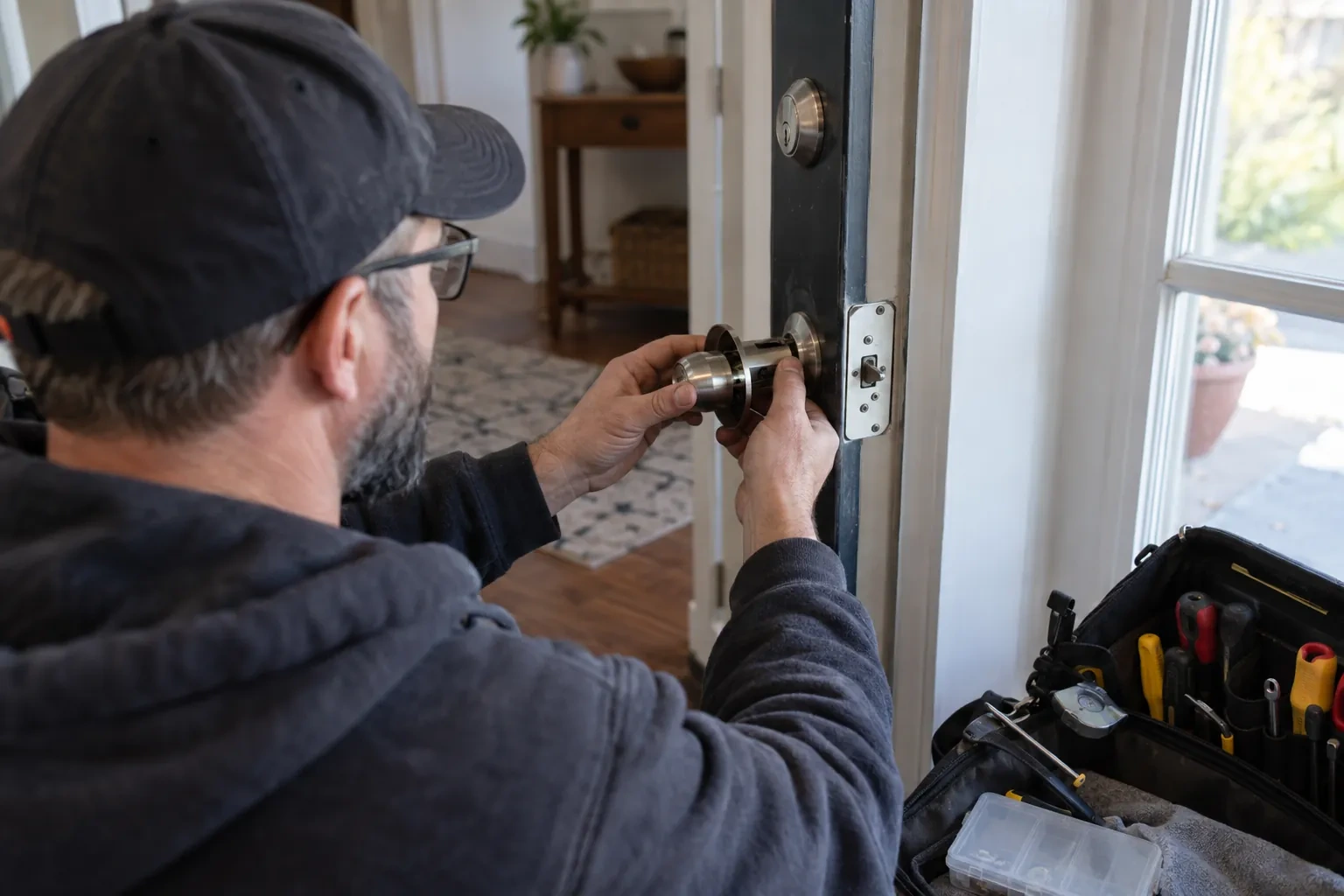
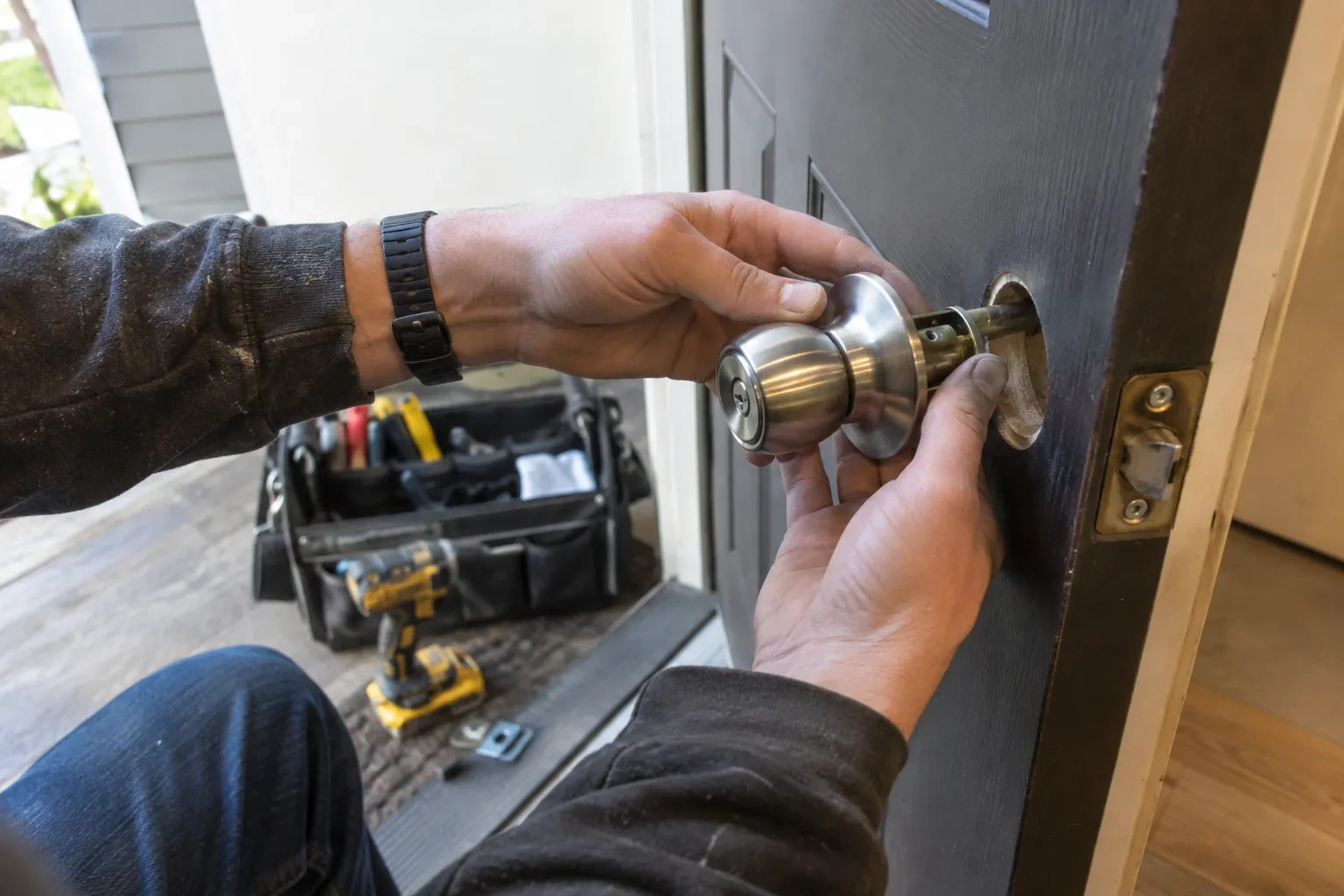
Cylinders and deadbolts built to resist picking, bumping and drilling, keys that cannot be copied without authorisation, and safes opened or installed.
Safe Opening & Combination Change
Records, plates and security ratings
A safe's data plate, when it survives, often carries more than a model number: many list a UL security classification for the lock itself, information that tells the locksmith what level of manipulation resistance to expect and what tools the job calls for. Any paperwork the owner still has, a purchase receipt, a service record from a previous visit, or a manual tucked in a drawer, adds detail that speeds up identification. Where none of that survives, the locksmith builds the same picture by reading the hardware directly, just with a few extra minutes spent confirming what the plate would otherwise have said.