
Change or rekey
Change or Rekey Locks
The back door is often the weakest one on the house, with a hollow slab, a short bolt and a strike held by two small screws. Residential upgrades usually begin there, and this section explains what changes and why.
Which one do I need?
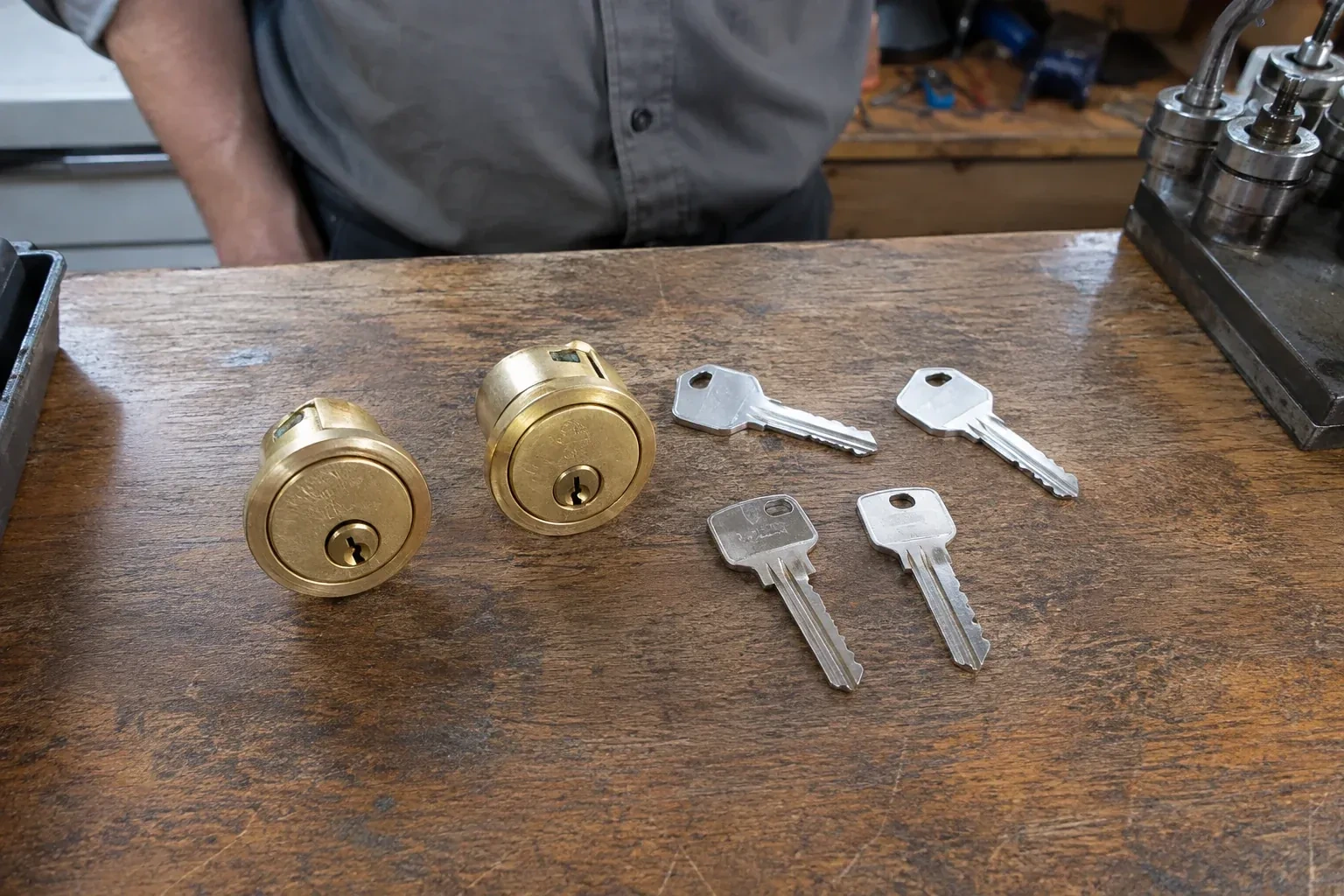
- The builder handed over your new home with a stack of identical keys, and you know the framing crew, the painters and the flooring installers all used a construction key during the build.Lock Rekeying
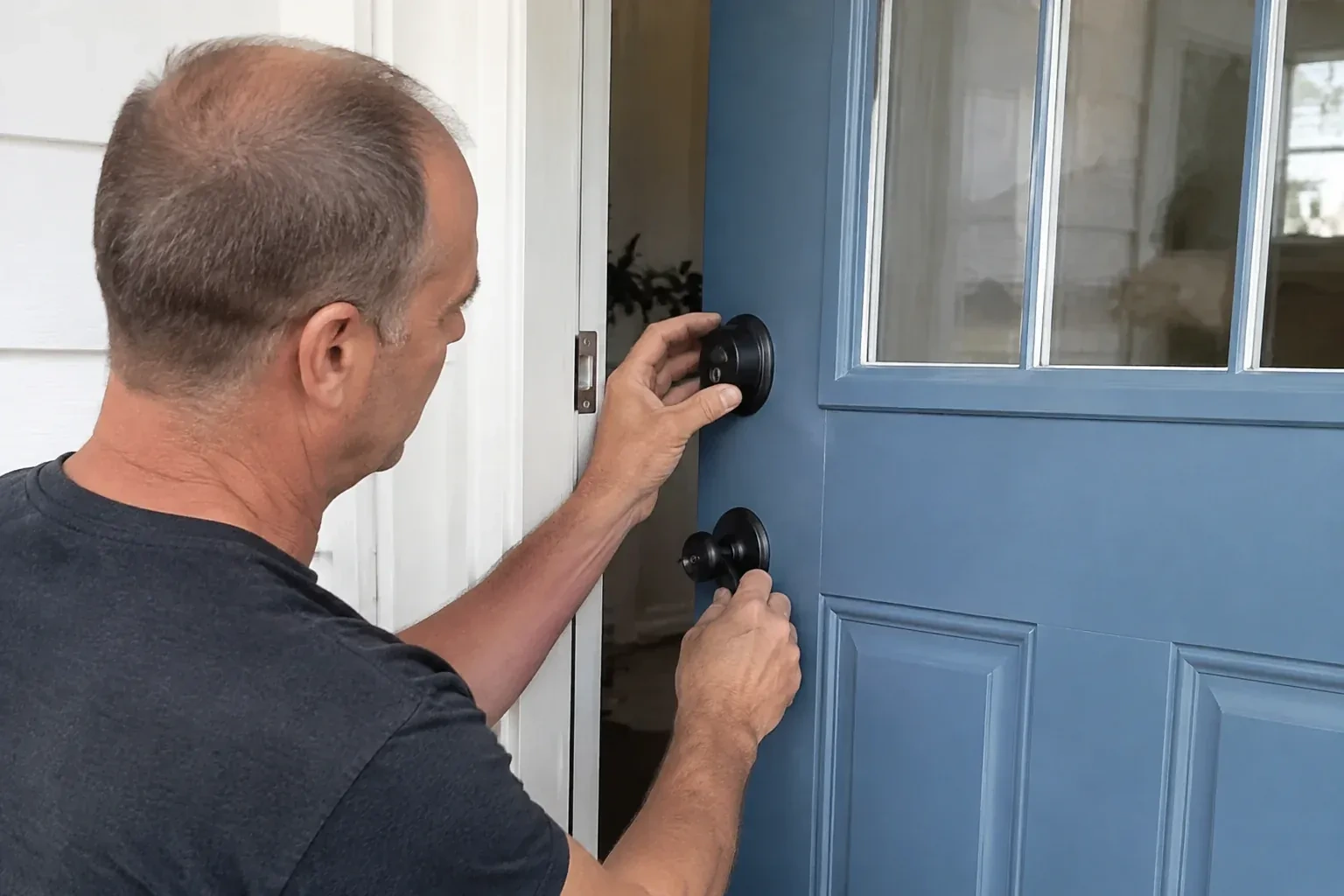
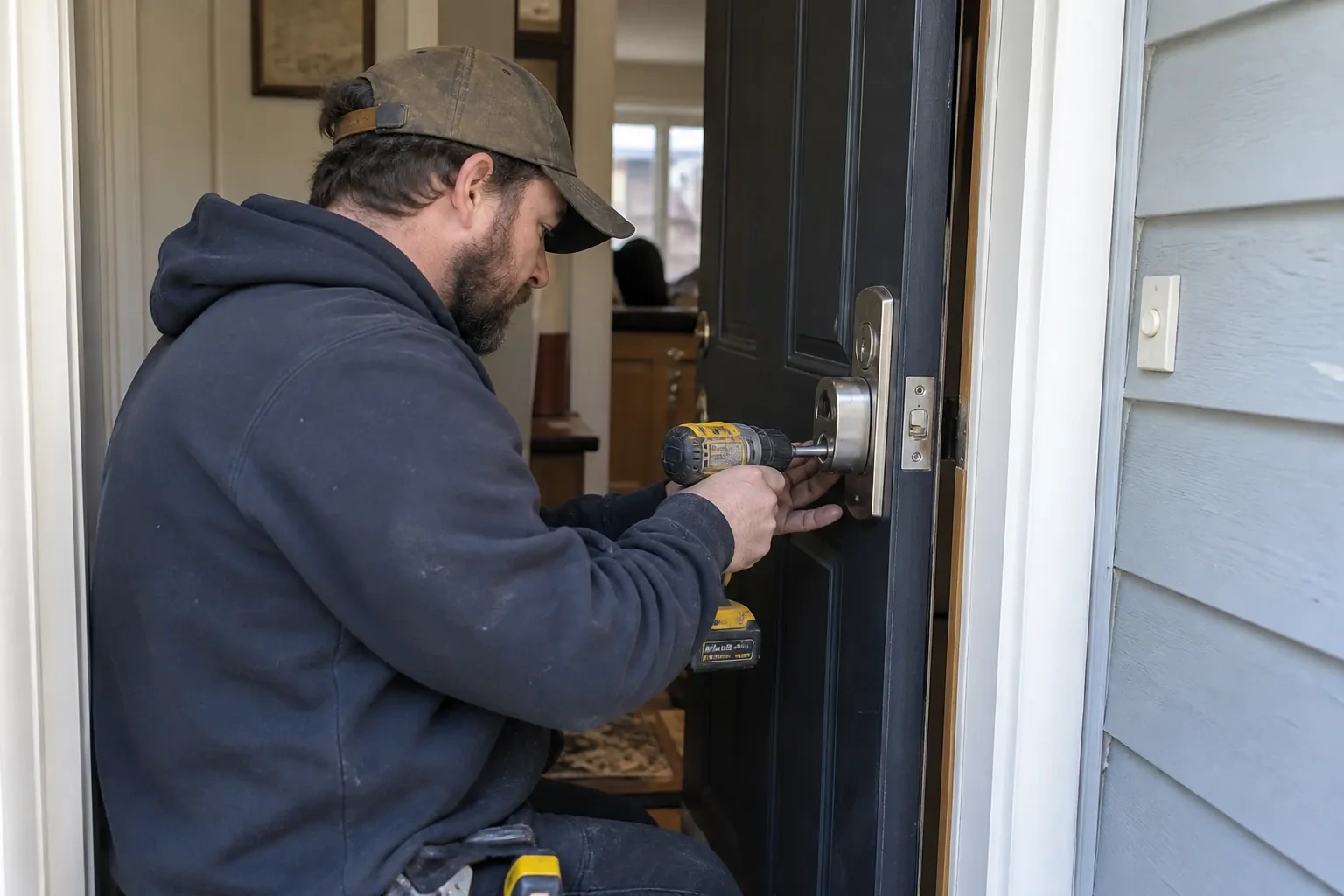
- You bought a keypad deadbolt online and pulled the old one off, only to find the hole in the door is a different size and the bolt latch sits at a backset the new kit does not list.Deadbolt Installation
- Every morning the front door key needs the same little dance: push in, lift, wiggle, turn.Lock Replacement & Upgrade
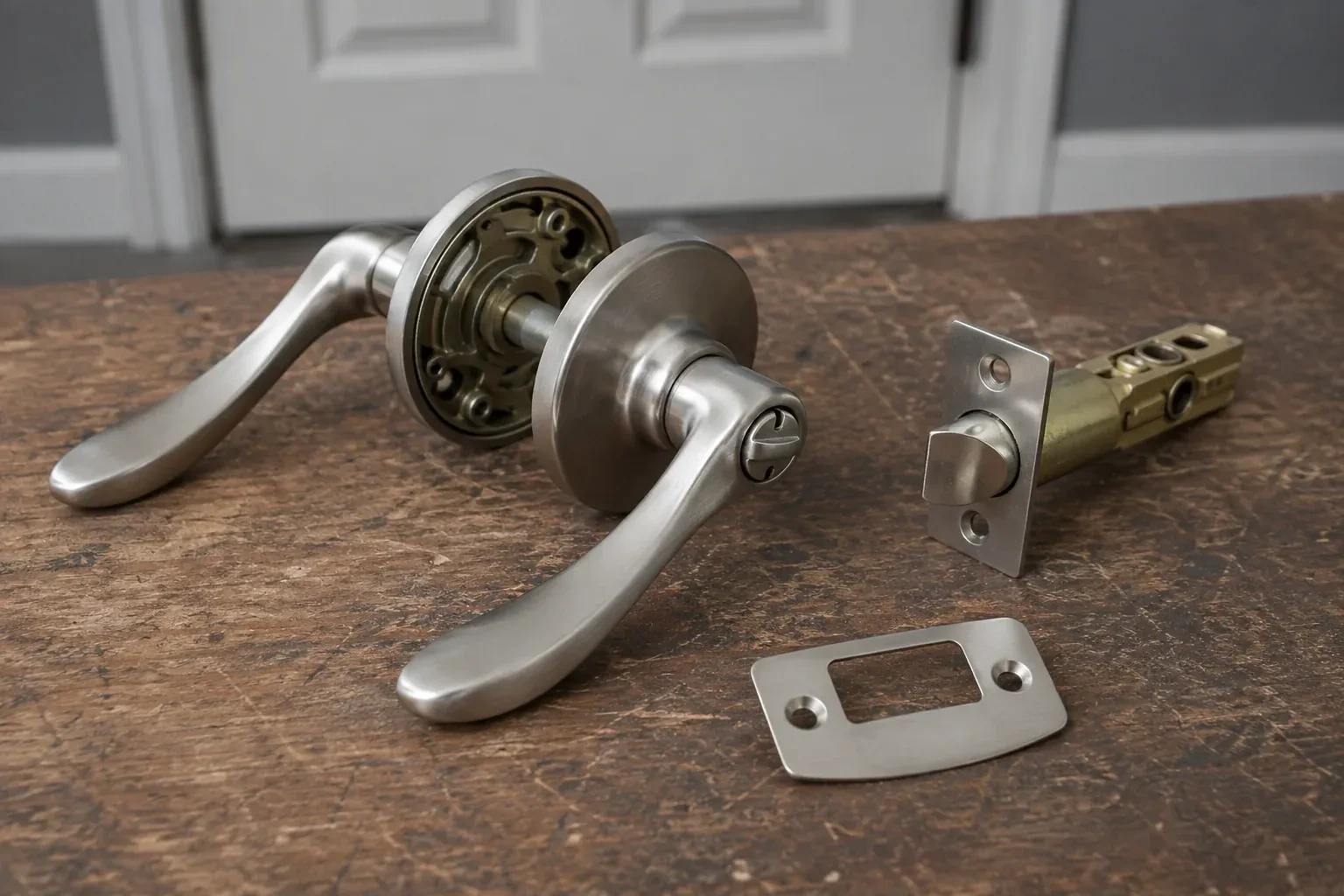
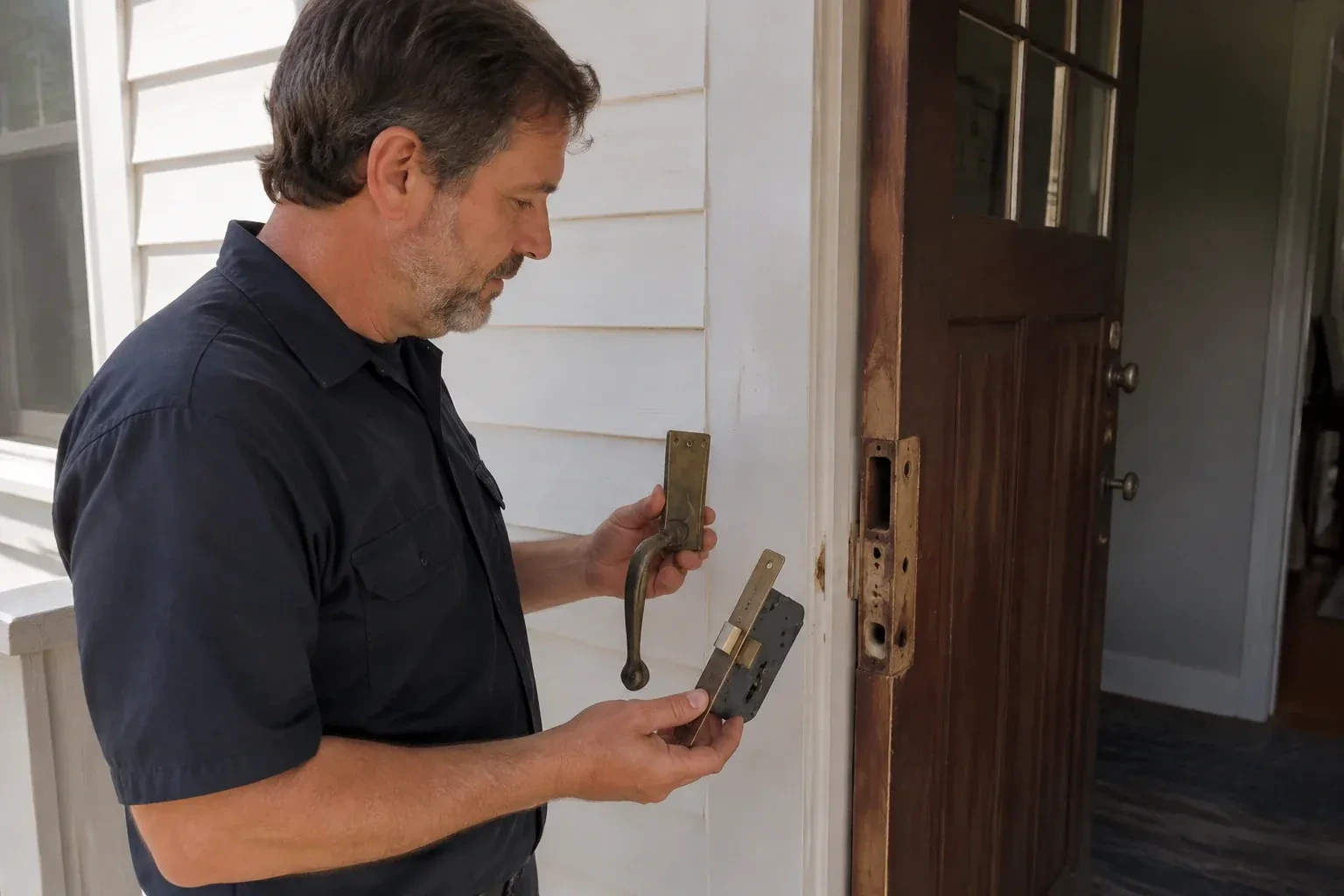
- The knob flops loose on its spindle and never springs back to level.Vintage Mortise Lock Service
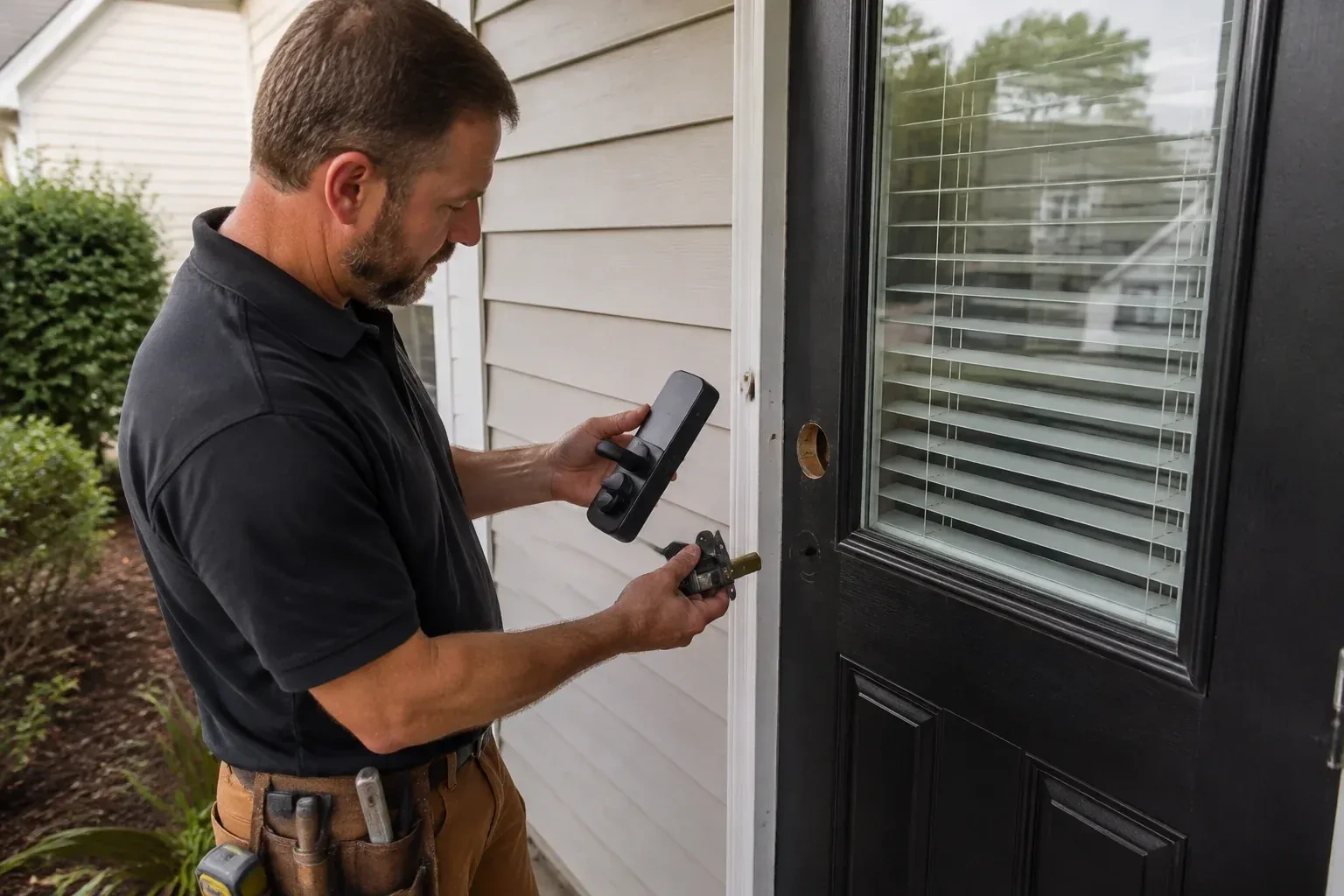
- There are four copies of the front-door key floating around: one with the cleaner, one with a neighbour, one on a hook at your parents' place, and one you honestly cannot account for.Smart Lock Installation
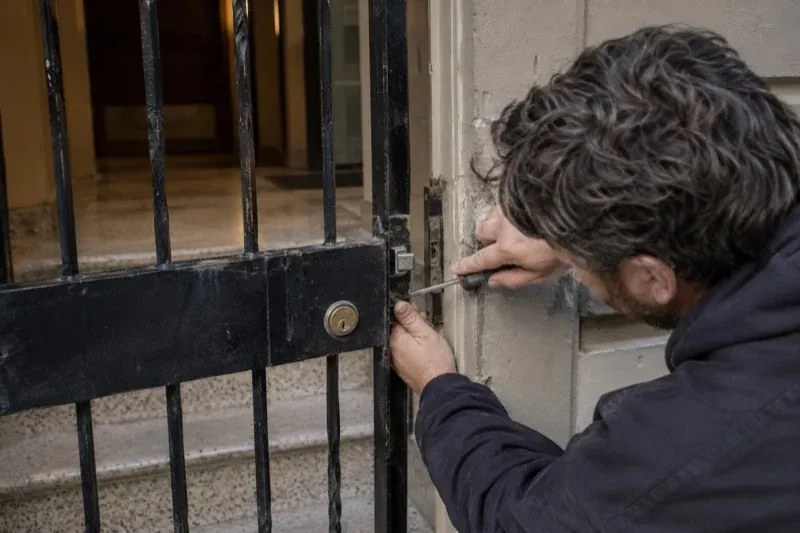
- A neighbour mentions, in passing, that the key from three tenants ago still lets him into the building's front door.Gate & Building Entry Locks
Change or Rekey Locks
New keys for the locks you have, or new locks where the hardware has worn out: rekeying, replacement, deadbolts, smart locks and older mortise hardware.
Lock Rekeying
Who is entitled to change the locks
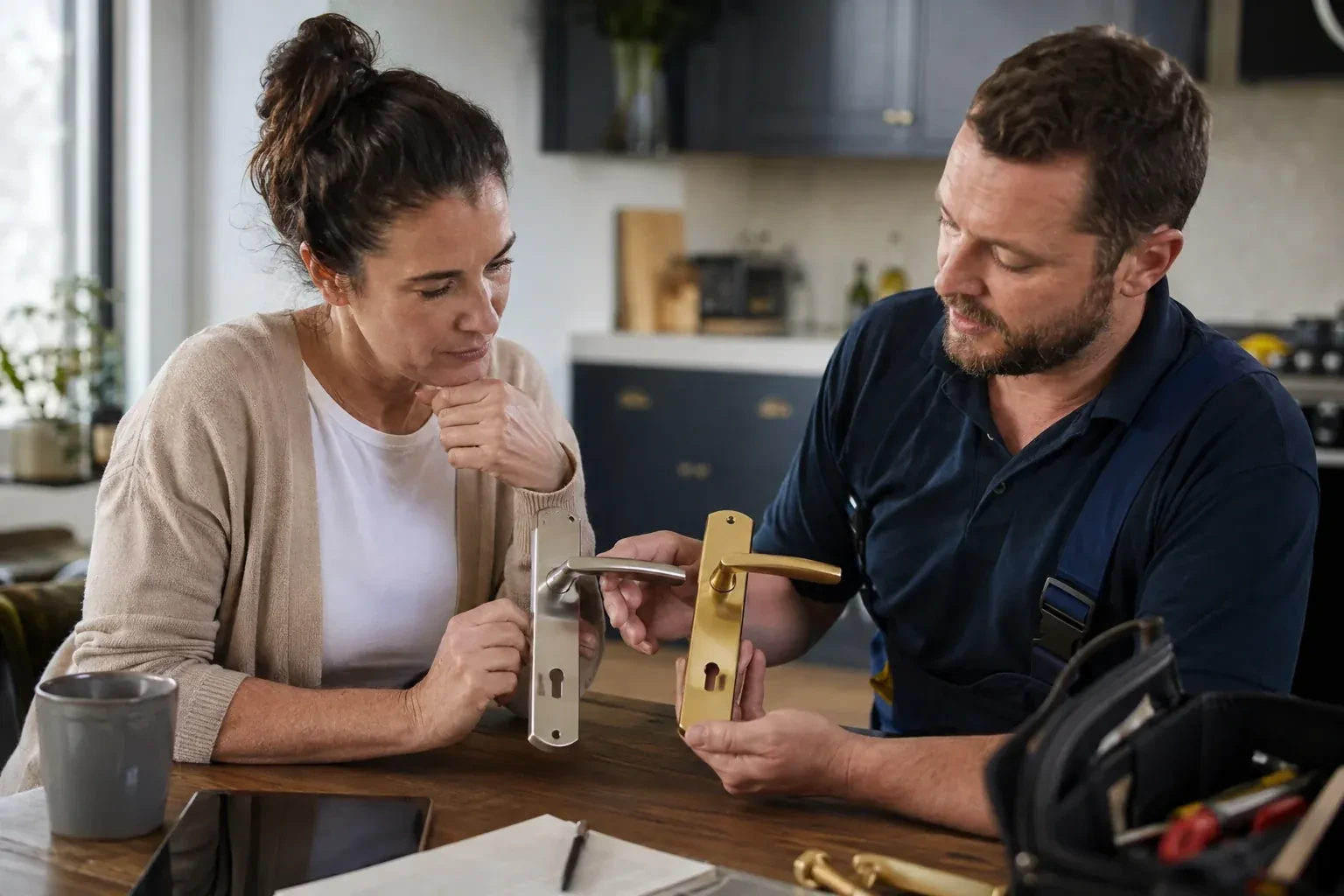
Rekeying decides who can enter a home, so the first check is about the person asking. A homeowner shows photo identification and something tying them to the property, such as a tax bill, a closing document or a utility statement. A property manager brings authorization from the owner.
A tenant is asked whether the landlord has agreed to the change and will receive a copy of the new key, because tenancy rules here expect both sides to hold one. Where a unit is in a condominium, the locksmith asks whether the building has a rule about suite-door locks. None of this is an obstacle; it is the part of the job that protects the home being worked on.