Lockouts · Mississauga
Business Lockout Service
After last night's power flicker the card reader beside the clinic door shows nothing.
In plain words
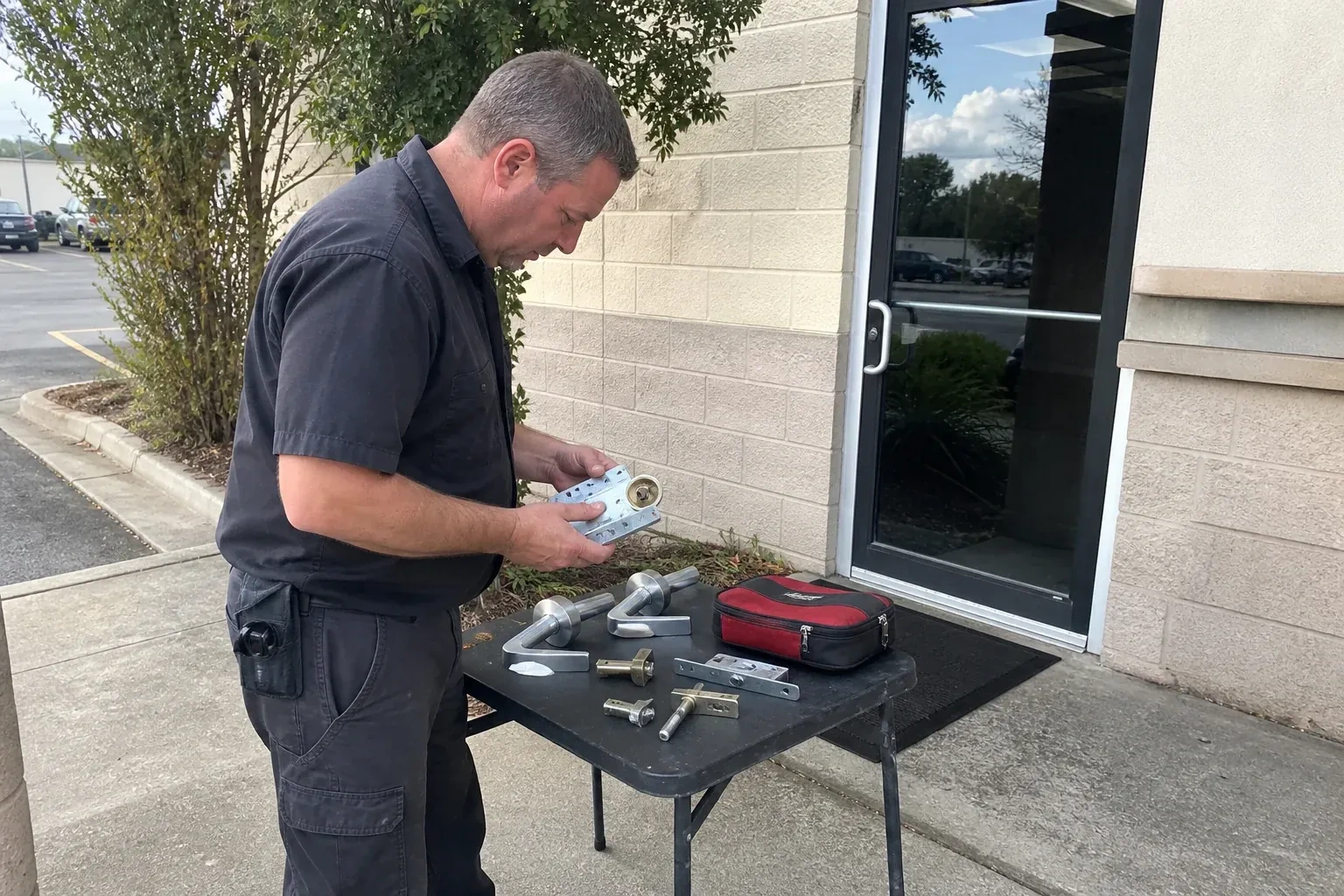
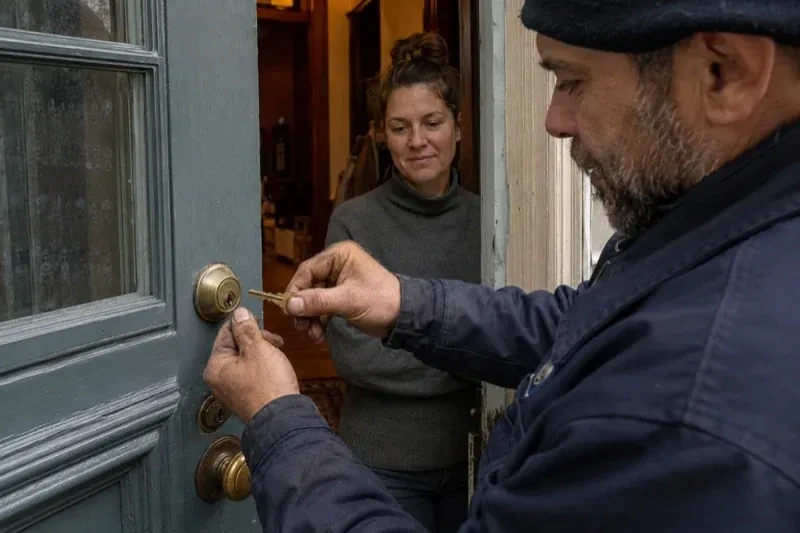
Businesses are locked out by people as often as by hardware. A keyholder is away, a former employee still has a key, a master key has gone missing, or the only spare lives in a drawer behind the locked door. A business lockout deals with the door in front of it and then with the pattern behind it. Cylinders can be rekeyed or removable cores swapped so an unreturned key becomes useless, new keys are cut and recorded against named holders, and a second keyholder or a lockbox is set up so that one absence never again closes the business for a morning.
How the visit goesYou signed the lease on the unit last week and the landlord handed over possession, but the previous tenant's locks are still on both doors and no keys came with them. Your fixtures arrive tomorrow and the doors will not open.
Business Lockout Service
How the visit goes
What happened to the key
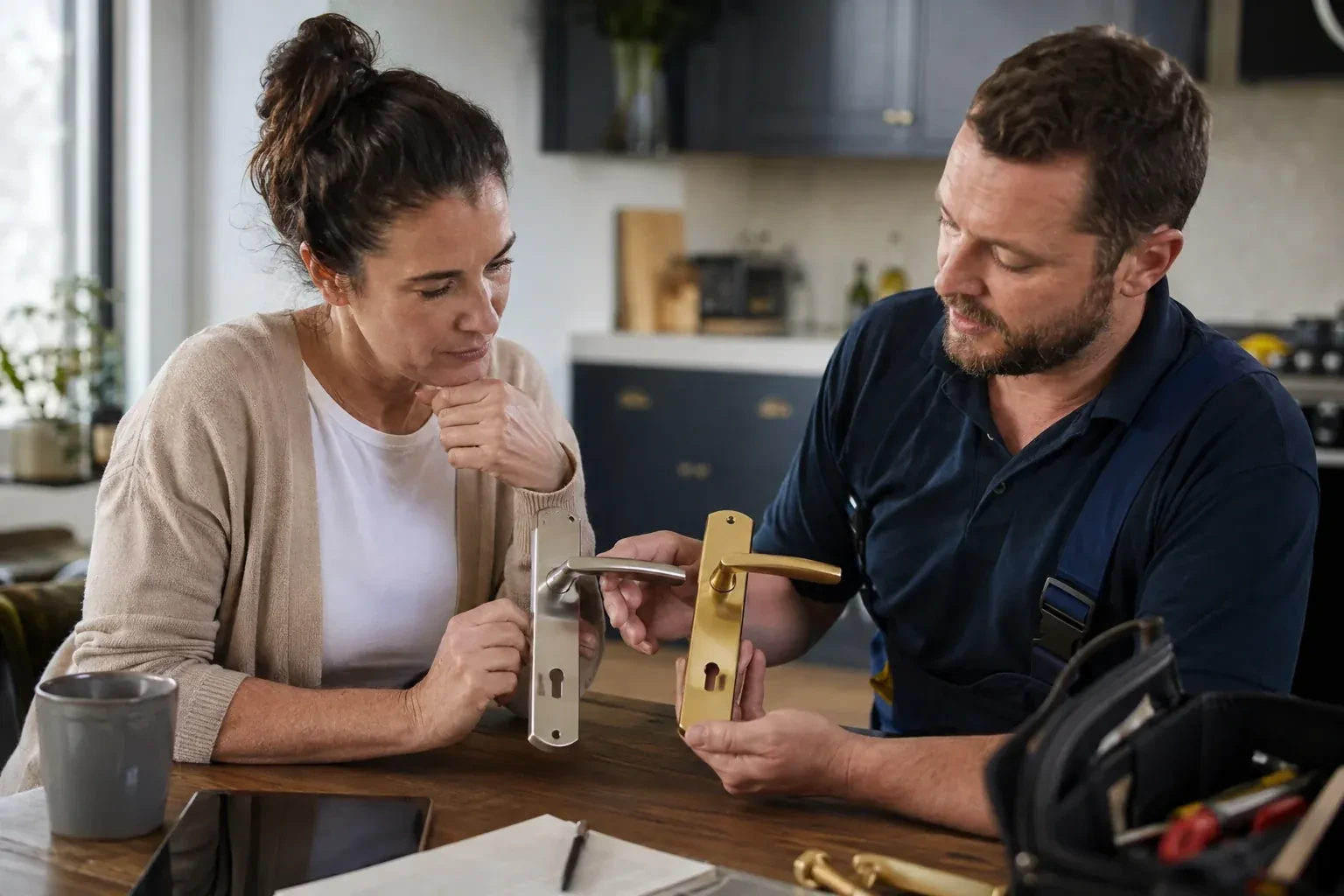
The story of the key shapes everything after the door opens. A key sitting in an absent manager's pocket means the lock is sound and only entry is needed. A key that was lost on transit or never returned by a former employee is still out there, and the visit should end with that key made useless. A key that turned without result points to a worn cam or a failed deadlatch spring, and a key that snapped calls for careful extraction before any opening. A lock that worked at closing and refuses at opening suggests cold, grit or a dropped door rather than a cylinder fault. A minute on this saves a repeat call.
Extracting a snapped key and finding out why
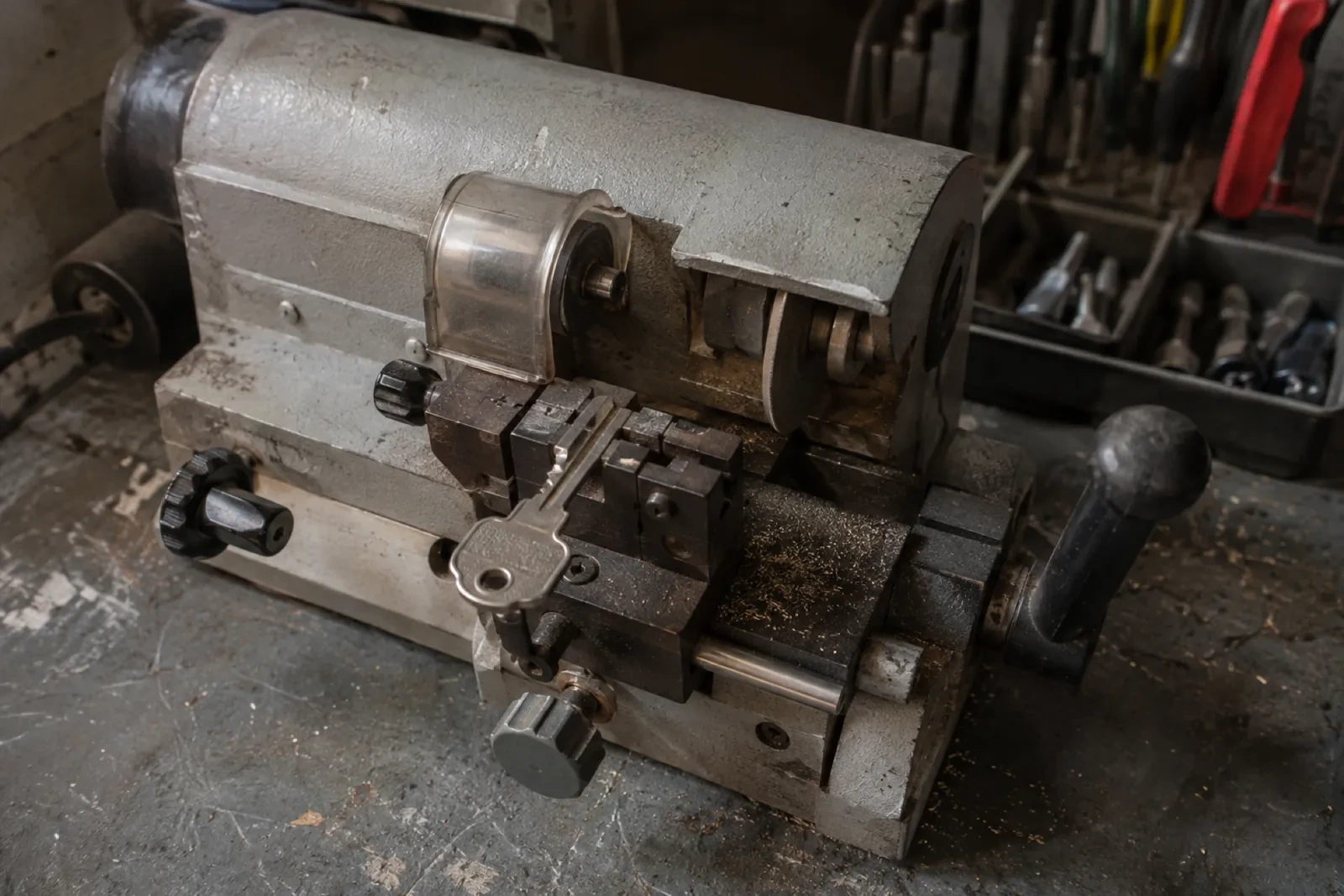
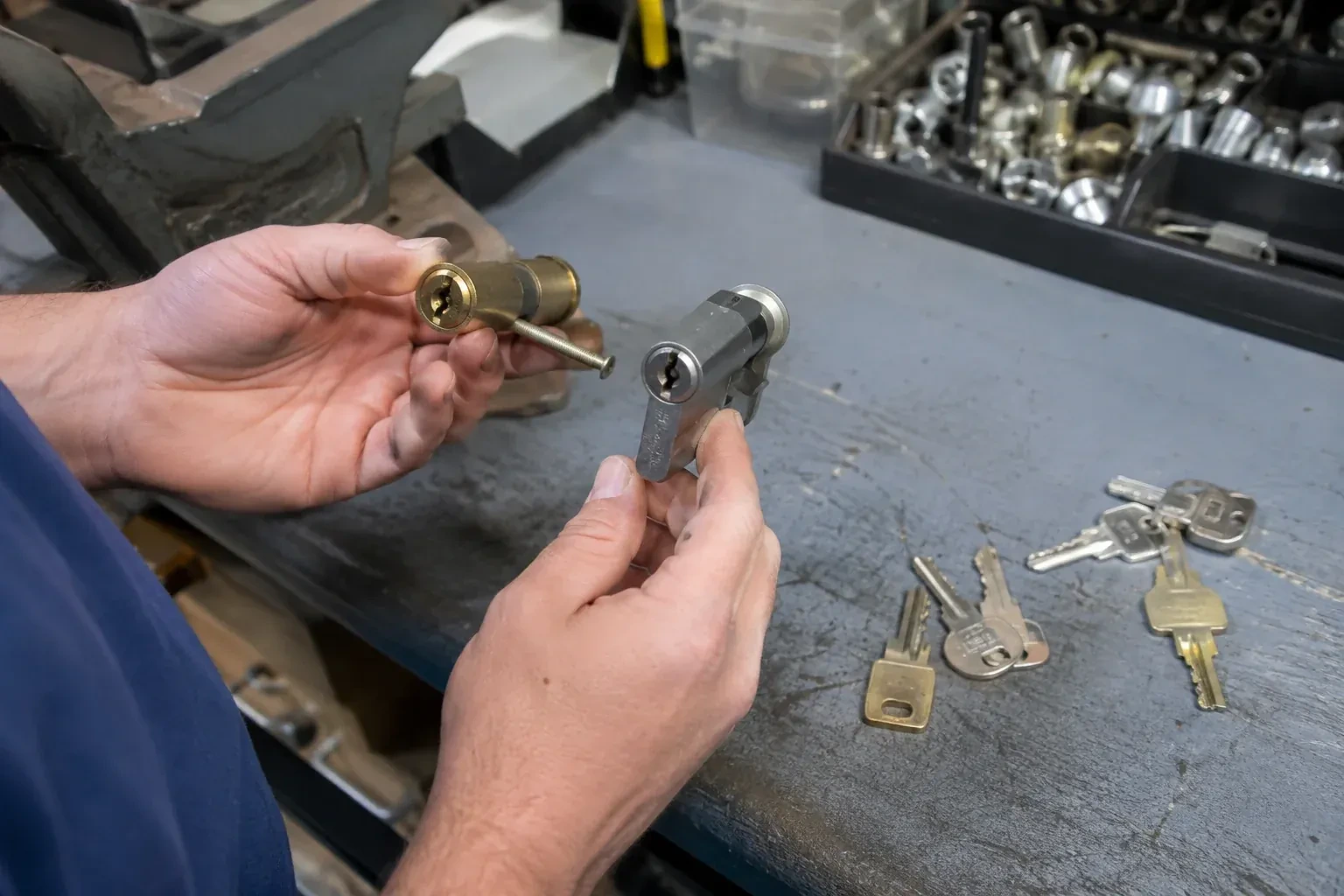
A key that broke off in a commercial cylinder is drawn out with extractor tools that grip the blade and pull it toward the face, never pushing it deeper. With the fragment out, the cylinder is picked or decoded and the door opened. The two halves of the key are then compared with a fresh blank, because a key rarely breaks in a healthy lock: a bent or thin copy, a cylinder full of grit, or a stiff cam behind it is usually the cause. The cylinder is cleaned and lubricated with a dry product, the cam checked for wear, and a new key cut from the code or from the pieces rather than from another tired copy.
Exit doors that still let everyone out
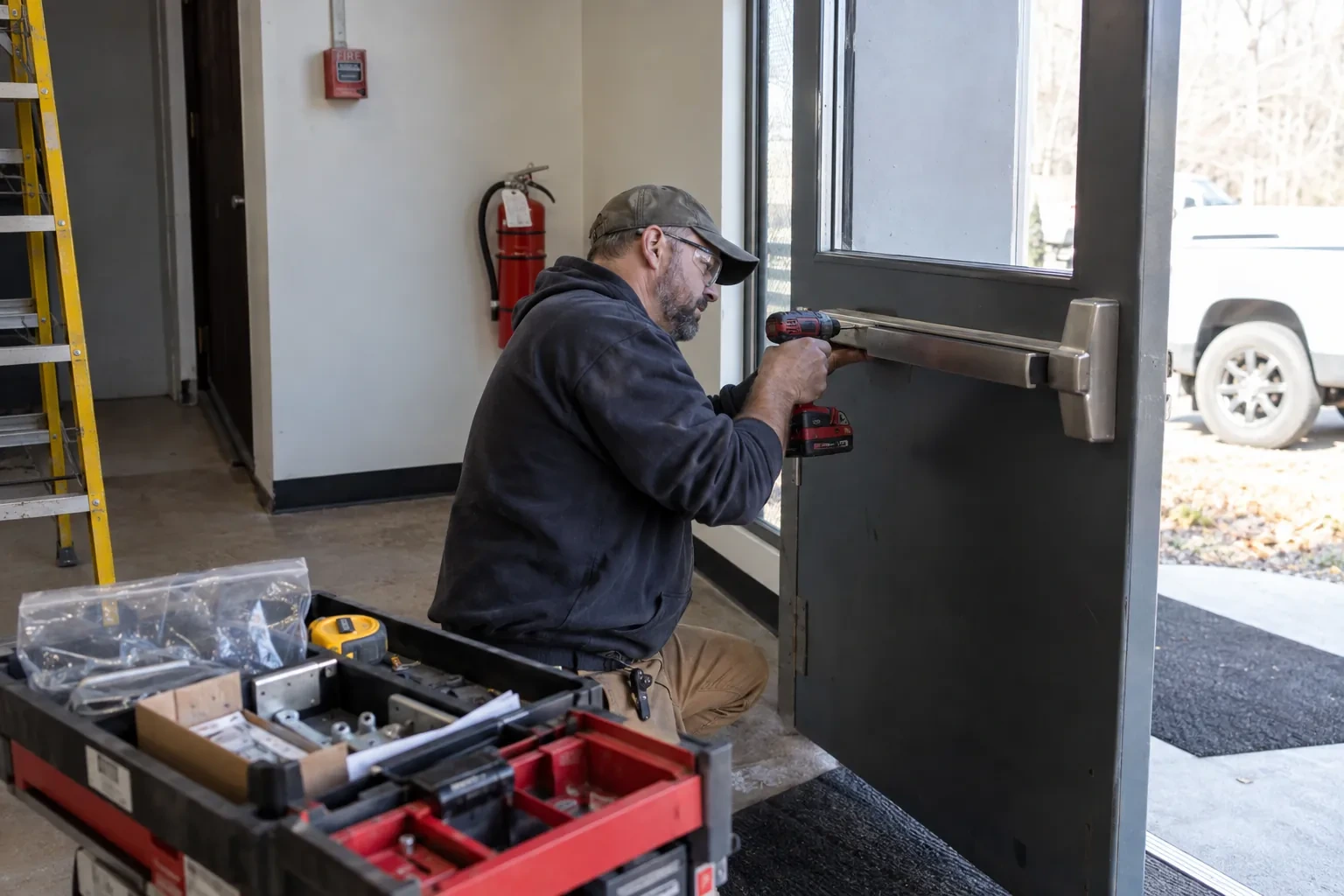
Whatever was replaced, a door on the way out of the building still opens from inside with a single motion and no key while people are in it. That standard is why a storefront gets a thumb-turn or paddle inside, a rear door keeps its push bar, and a double-cylinder deadbolt does not go on an exit route. The locksmith checks each door for this before leaving and points out any older hardware, such as a chain or a keyed-inside bolt on a back door, that the business may want to bring into line.
Business Lockout Service
In the van
Control keys and core-removal tools
Strikes, pivot shims and closer adjustment tools
Lock de-icer and dry PTFE lubricant
Interchangeable cores pinned to system
Exit device trim cylinders and dogging keys
Business Lockout Service
What affects the quote
Storefront, lever, mortise or exit device
An aluminium storefront cylinder, a cylindrical lever lockset, a full mortise lock and the trim of an exit device each take different tools and time to open, and the hardware on your door sets the starting point.
When the call comes in
A weekday morning, an evening after closing, a weekend or a statutory holiday all cost the same amount for a business lockout, and locksmiths are reachable at any hour. The figure is confirmed at the door once the locksmith has looked at the door and the hardware involved.
How many doors are involved
One front door is the simplest visit. A front door, a rear exit device, a roll-up padlock and a cash office add hardware to open and, often, cylinders to key alike afterwards.
What to have ready
- Which door are you locked out of, and what does the lock on it look like?
- Where are the keys: with an absent keyholder, lost, broken in the lock, or turning without effect?
- Is there an alarm on the door, and who holds the code and the monitoring password?
Business Lockout Service: questions
QuestionsWe have just taken over a unit and have no keys for the old locks. Is that a lockout?
It is treated as one, with the same authority check: your new lease and identification settle it. The locksmith opens the previous occupant's locks, then rekeys or replaces them so keys still floating around from the last tenant stop working. It is also the moment to decide how the unit will be keyed: one key for every door, separate keys for the cash office and stockroom, or cores that suit a growing staff.
Our door uses fobs and the reader is dead. Can you get us in?
Yes, and usually without disturbing the access system. Many readers and electric strikes go dark because a power supply, breaker or backup battery has failed, and restoring power reopens the door. Where a mechanical override cylinder is fitted, it opens like any other lock; not every system includes one. An ordinary magnetic lock releases on its own once its power is actually removed, so a genuine power loss opens that door without waiting on a remote release. Afterwards, credentials and schedules are confirmed with whoever manages the system.
We have lost a master key. Is that different from losing an ordinary key?
Yes, because a master key opens every lock in its group, so one missing key touches many doors. The response is planned rather than rushed: the locksmith maps which cylinders the key operated, works with the property manager if the system is building-wide, and re-pins or swaps cores across the group so a new master takes over. Manufacturers' guidance on key control treats retrieving and tracking master keys as the foundation of the whole system.
Related services
- Broken Key ExtractionThe key went in like any other morning, you turned it, and something gave with a small metallic click.
- Break-In Damage Lock RepairThe shop's aluminum door has a bent meeting stile and the hookbolt is jammed half out.
- Seized & Jammed Lock OpeningThe old mortise lock on the front door of the house turns the key halfway and stops with a dull clunk.