Car keys · Meadowvale South
Transponder Key Programming in Meadowvale South
The car came with a single key when the sale went through, and that key is the only thing standing between the household and being stranded.
In plain words
Transponder key programming is the step that teaches a vehicle's immobilizer to recognize a key's chip so the engine agrees to start, separate from cutting the metal blade that opens the door. A locksmith identifies the vehicle's own security system, connects programming equipment to it, and writes the new key's identity into its memory. Whether the job is a single spare, a replacement for a lost key, or every key gone at once, the visit ends the same way: the engine is started with the finished key, not just tested on a screen.
How the visit goesThe remote fob has gone silent, the doors won't unlock with a button press, and the little emergency blade tucked inside it has not been used since the day the car was bought. Nobody remembers exactly where the metal edge is supposed to go once it's out.
Transponder Key Programming
How the visit goes
Looking at the key itself
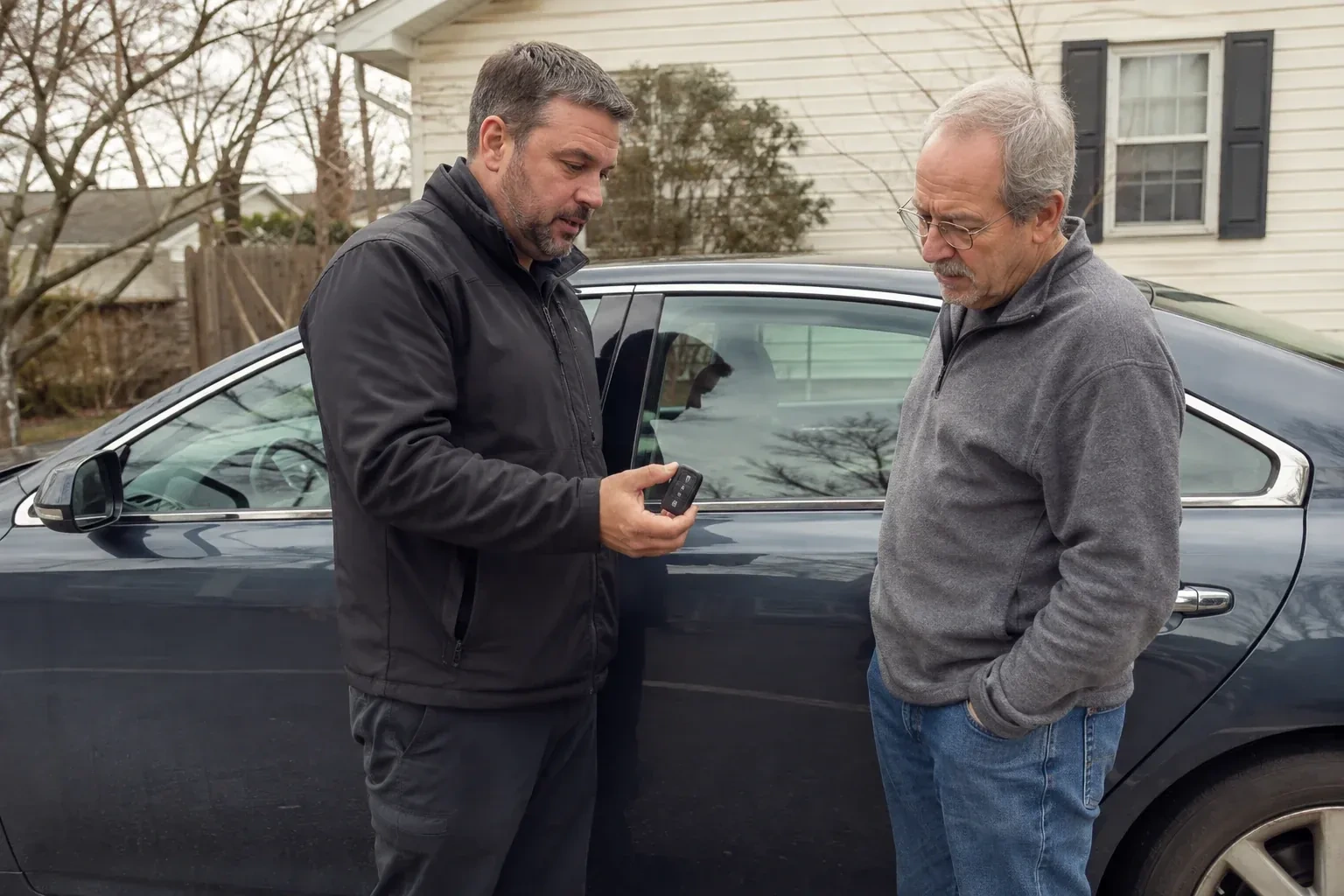
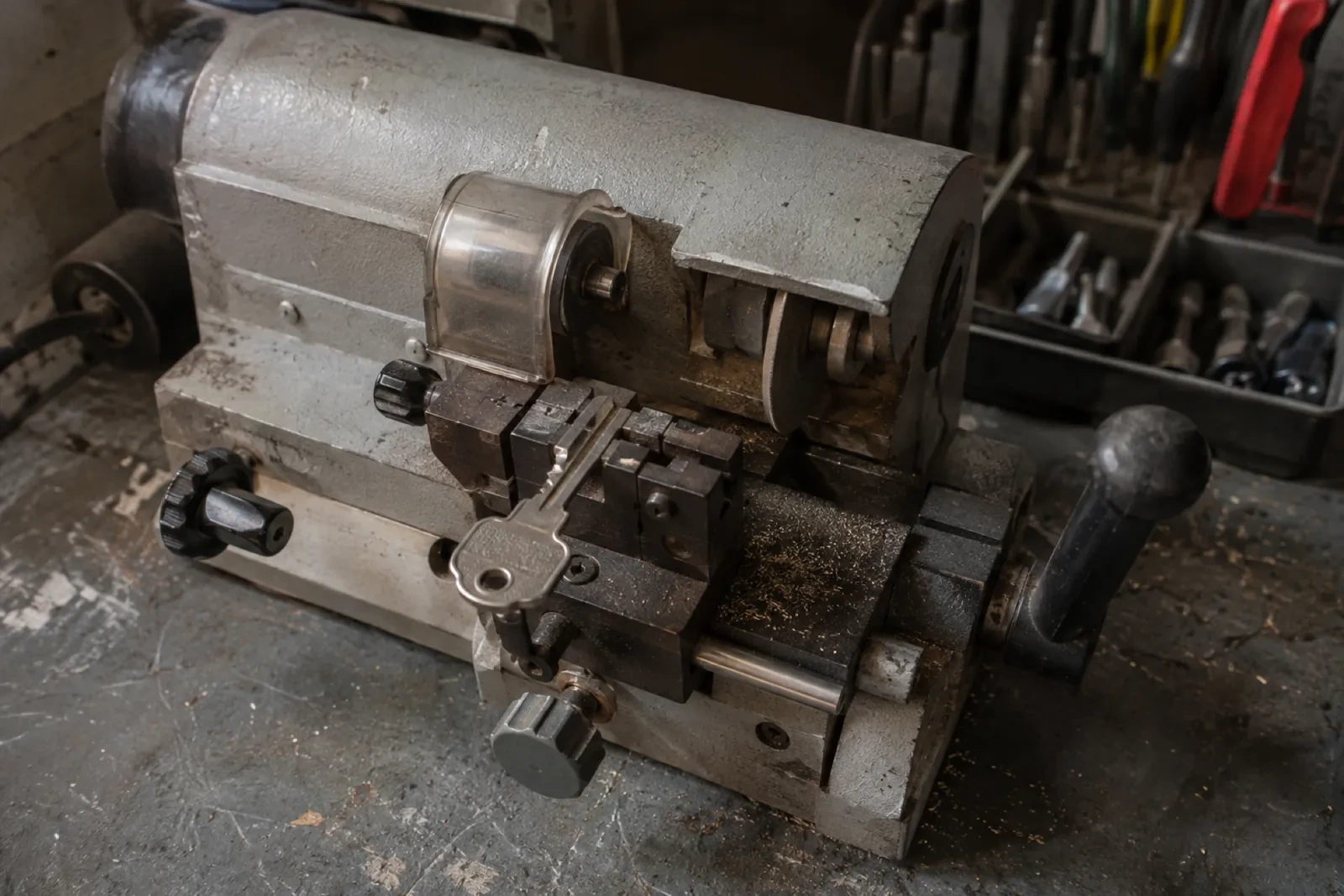
The physical key gets its own inspection. A blade is checked against the lock for wear, a remote-head or proximity fob is opened to check its battery and contacts, and any chip visible in the key head is checked for cracks or separation from the blade. A key that was cut at a counter kiosk but never programmed is common enough to check for specifically: the metal fits the lock perfectly, and the confusion is understandable when the same piece of plastic looks complete either way.
Adding one key without disturbing the others
Bringing another driver onto the same vehicle means adding one identity to the key list while every key that already works keeps working exactly as before. The locksmith confirms the existing keys' status before touching anything, adds the new entry, and then tests every key in the household's hands, not only the newest one. This order matters because a mistake that silently disabled an existing key would be far more disruptive than any delay in getting the new one finished.
A record of what is active now
Once the work is finished, it helps to know exactly what is true about the vehicle's keys: how many now work, which one was cleared from memory, and which functions were paired to which fob. This is a short, plain account rather than a technical log, useful for a household sorting out who holds which key, or for anyone handling the vehicle later who needs to know it was recently reprogrammed rather than untouched since it left the factory floor.
Transponder Key Programming
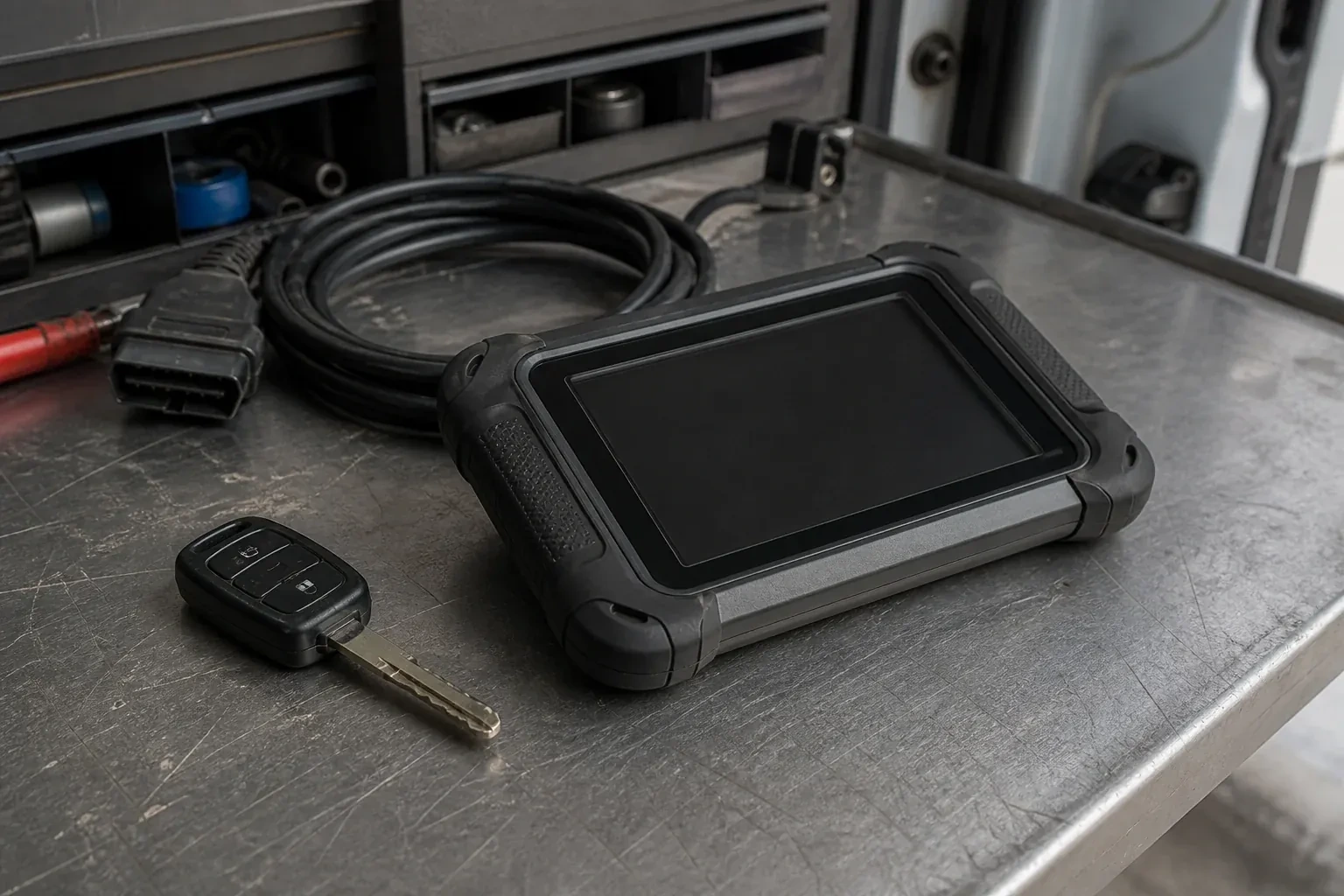
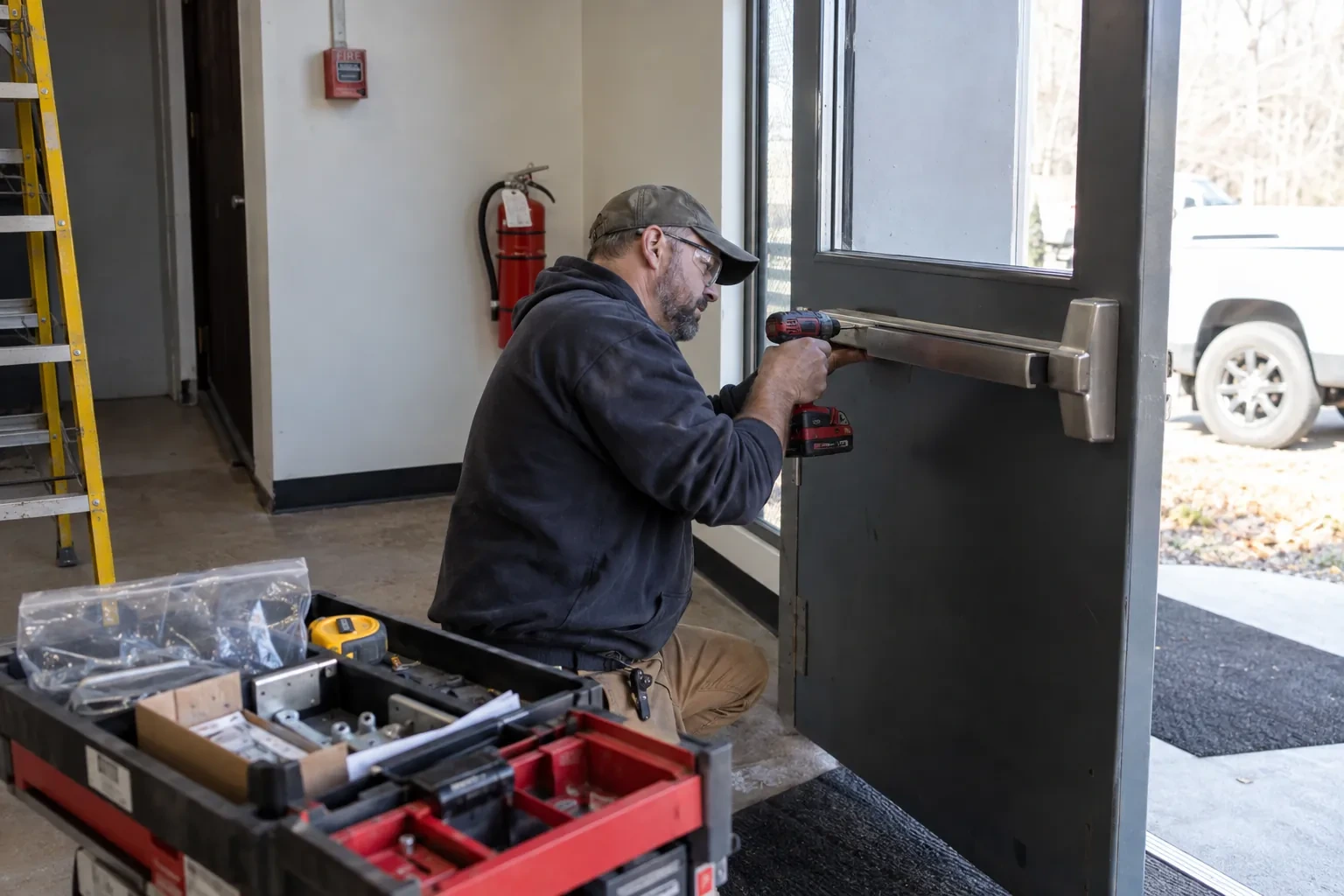
In the van
OBD-II key programmer
Emergency insert blade
VIN reference tool
Security-access module
Frequency test reader
Transponder Key Programming
What affects the quote
Number of new keys requested
One replacement key is a smaller task than several keys for several drivers cut and programmed in the same visit, even though the underlying process for each additional key is largely the same.
Age and availability of the correct blank or chip
Older or less common vehicles sometimes use a blank or chip family that takes longer to source, particularly for a model that has been out of production for some years, which affects how the visit is scheduled.
Any extra function added to the new key
Pairing remote entry, trunk release, or proximity walk-up functions onto a new key is additional work beyond the immobilizer chip alone, and each function is confirmed working before the visit is considered finished.
What to have ready
- Was a spare ever cut without being programmed?
- Is the vehicle owned, financed, leased or company-registered?
- Is this a lost, stolen, damaged or spare-key situation?
Transponder Key Programming: questions
QuestionsCan I have a spare key made before I actually need one?
Yes, and on many vehicles it is one of the more straightforward visits in this service, since a working key already on hand can authorize the new one; a few models instead call for two working keys or a different programming route. The spare is cut, its chip is written in, and both keys are tested before the locksmith leaves, so the spare is proven rather than simply handed over untested.
Can a push-button, proximity-style key be programmed the same way?
Yes, though there is usually more to pair afterward: the proximity functions that let the vehicle detect the key nearby, alongside the same immobilizer identity a traditional transponder key would carry. The visit still ends with the same test, confirming the engine starts and the vehicle recognizes the key at a normal walking distance.
What's the difference between a transponder key and a key fob?
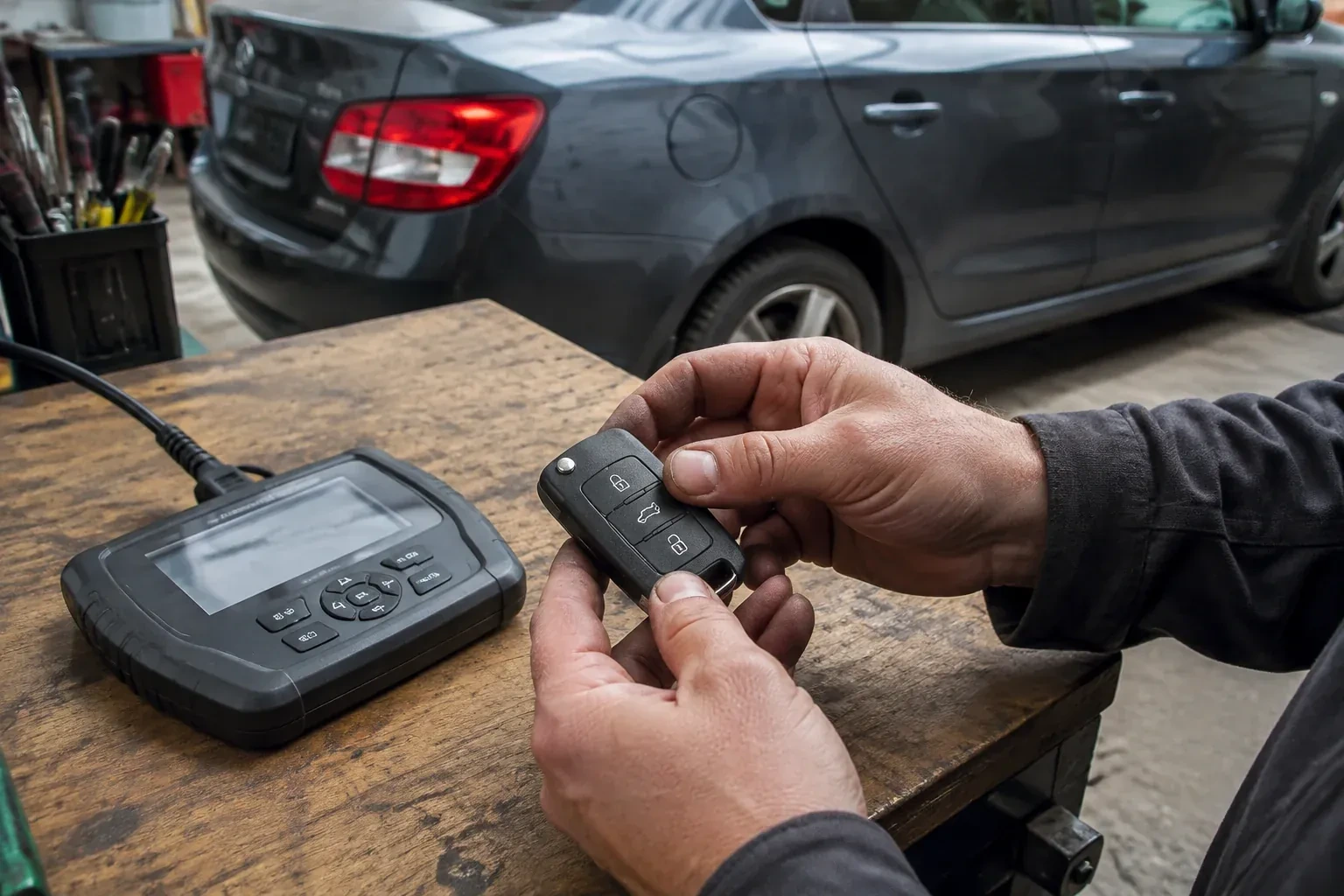
The transponder is the passive chip that talks to the immobilizer and lets the engine start; it needs no battery of its own. The fob is the separate, battery-powered piece that handles remote locking, unlocking and alarm functions. Many modern keys combine both in one housing, but they answer two different systems, which is why a fob with a dead battery can still start the car with its mechanical blade.
Related services
- Car Key ReplacementYou bought the car privately and it came with a single key on a shoelace.
- Spare Car Key DuplicationA teenager just passed a driving test and reasonably wants a key of their own rather than negotiating over the family's single copy every time the car is needed.
- Key Fob ProgrammingA cracked case or a spin through the wash left the fob unresponsive, and opening it up reveals a slightly corroded board where the buttons used to sit.