Commercial · Meadowvale Village
Commercial Rekeying in Meadowvale Village
You have just signed the lease on a unit the previous tenant ran for a decade.
In plain words
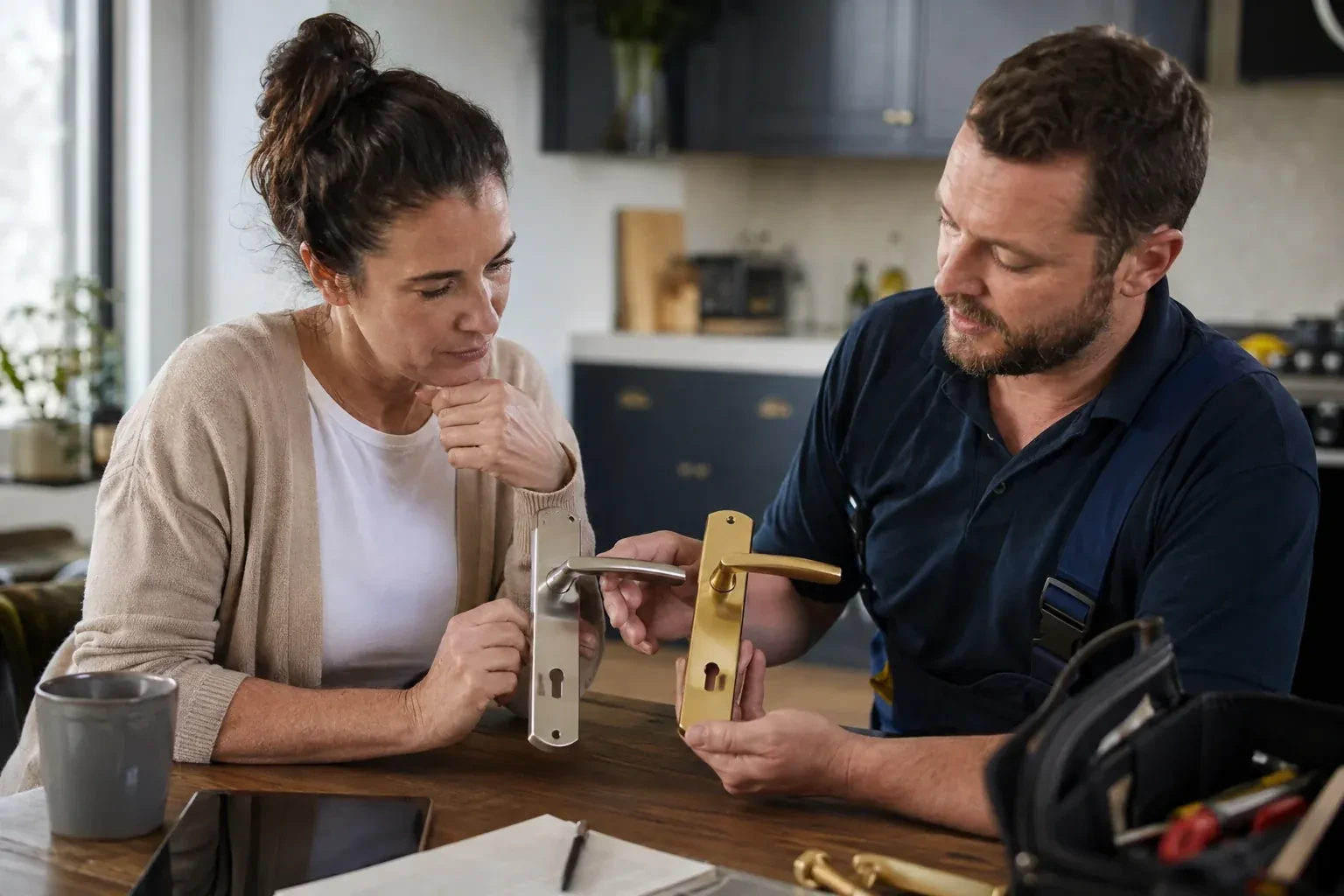
Rekeying is also a chance to decide how the keys should work, not simply to change them. Most businesses settle on a small number of key groups: one key for the doors every employee uses, another for the office, cash room or server closet that only managers open, and perhaps a single master for the owner that opens everything. The locksmith maps this out on a keying chart before touching a cylinder, then pins each lock so the plan holds true on the door. Staff carry one key instead of a ring, managers carry two, and the chart tells you at a glance who can open what.
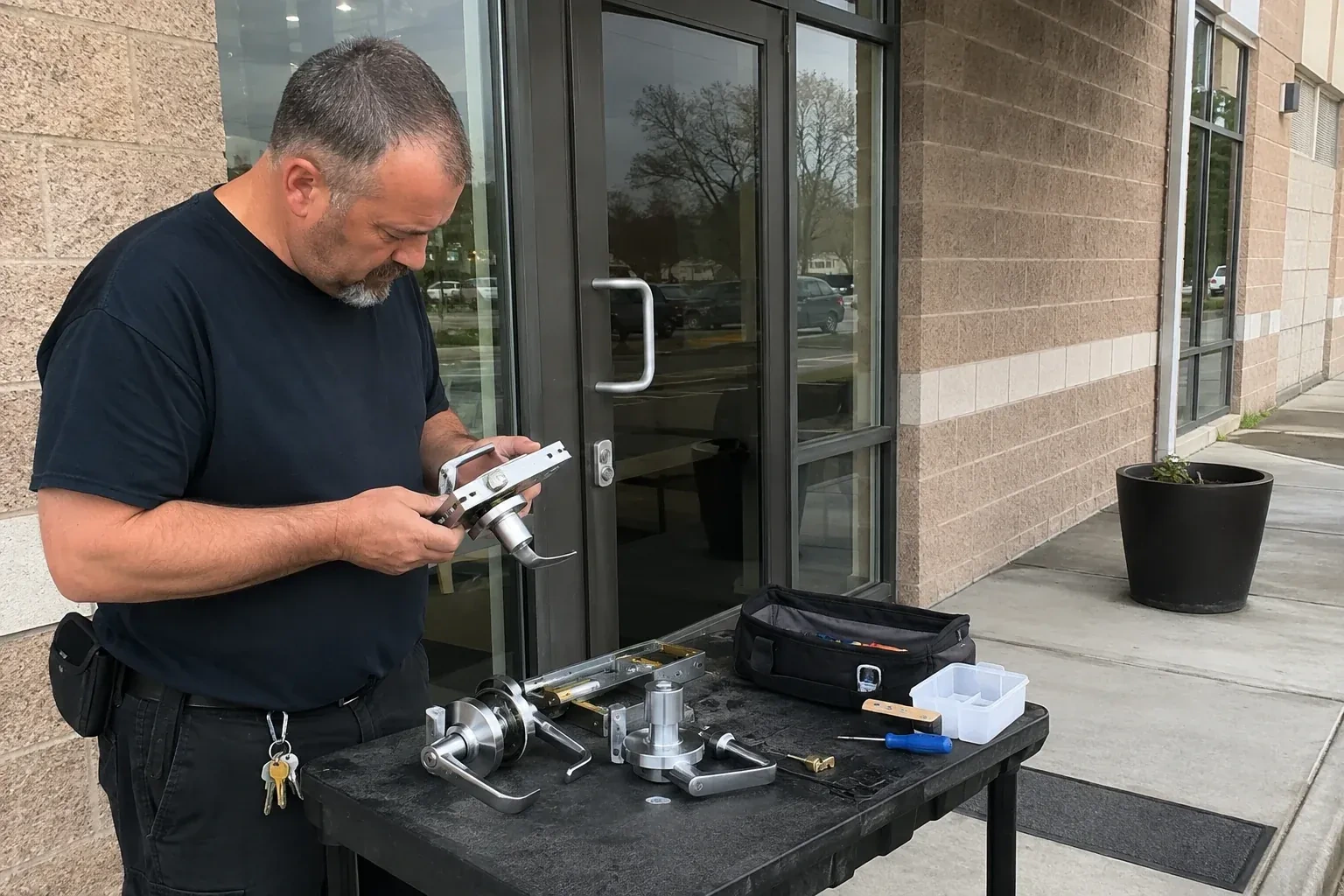
How the visit goesYou have just signed the lease on a unit the previous tenant ran for a decade. The landlord handed over three keys, the back door wears a padlock nobody can open, and nobody can say how many front-door keys are still out there.
Commercial Rekeying
How the visit goes
Choosing the window and the order of doors
The last part of the assessment is practical: when can the work happen, and in what order. A retail shop may prefer the hour after closing; a restaurant, the mid-morning lull; a warehouse, the gap between the last outbound truck and the night shift. The locksmith also asks about deliveries, the cleaning crew, the alarm monitoring company and anyone else who holds a key and needs a new one before their next visit. From this comes a sequence, typically the doors staff use least first and the main entrance last, so there is always a working, lockable way in and out while the cylinders are being changed.
Swapping interchangeable cores
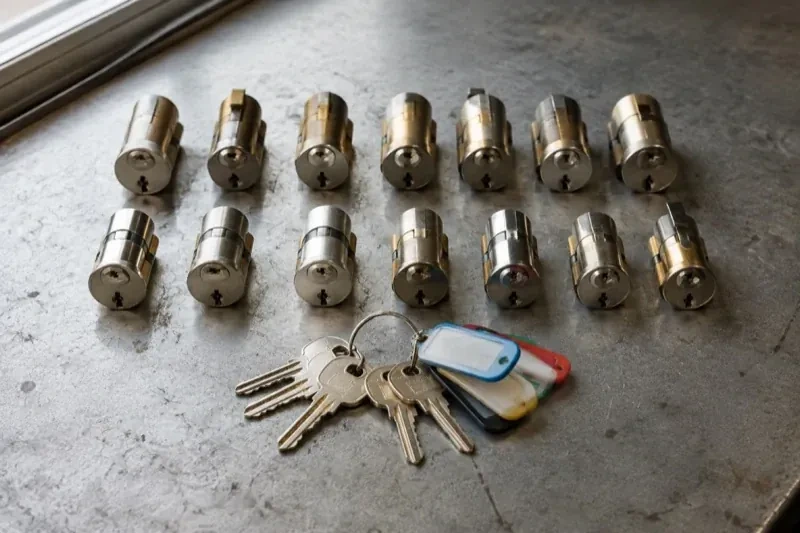
Where the business already runs on interchangeable cores, the door hardware never comes apart. The control key goes into the figure-eight core, turns a few degrees, and the whole core slides out of the lever or padlock in one piece. A freshly combinated core goes in the same way, the operating key is tried, and that door is done. The old cores travel back to the bench to be repinned for another opening or held as spares. This is what makes cores so well suited to businesses with steady turnover: a single control key, kept in the manager's safe rather than on a ring, is all it takes to change a lock.
Telling the landlord and the alarm company
A rekey touches a few people outside the business, and the handover covers them. If the lease asks for it, the landlord or property manager receives a key to the suite entrance and a note that the locks were changed, which keeps you onside for emergencies and inspections. The alarm monitoring company is given the updated keyholder list, and it is a good moment to change the alarm codes of anyone who no longer works there, since a key and a code usually leave together. Cleaners, the courier with after-hours access and the neighbour who watches the place on holidays each collect their new key against the register like everyone else.
Commercial Rekeying
In the van
Cylinder removal and spanner tools
Commercial pin kit
Key stamp set and tags
Interchangeable cores and control key
Dry graphite or PTFE lubricant
Commercial Rekeying
What affects the quote
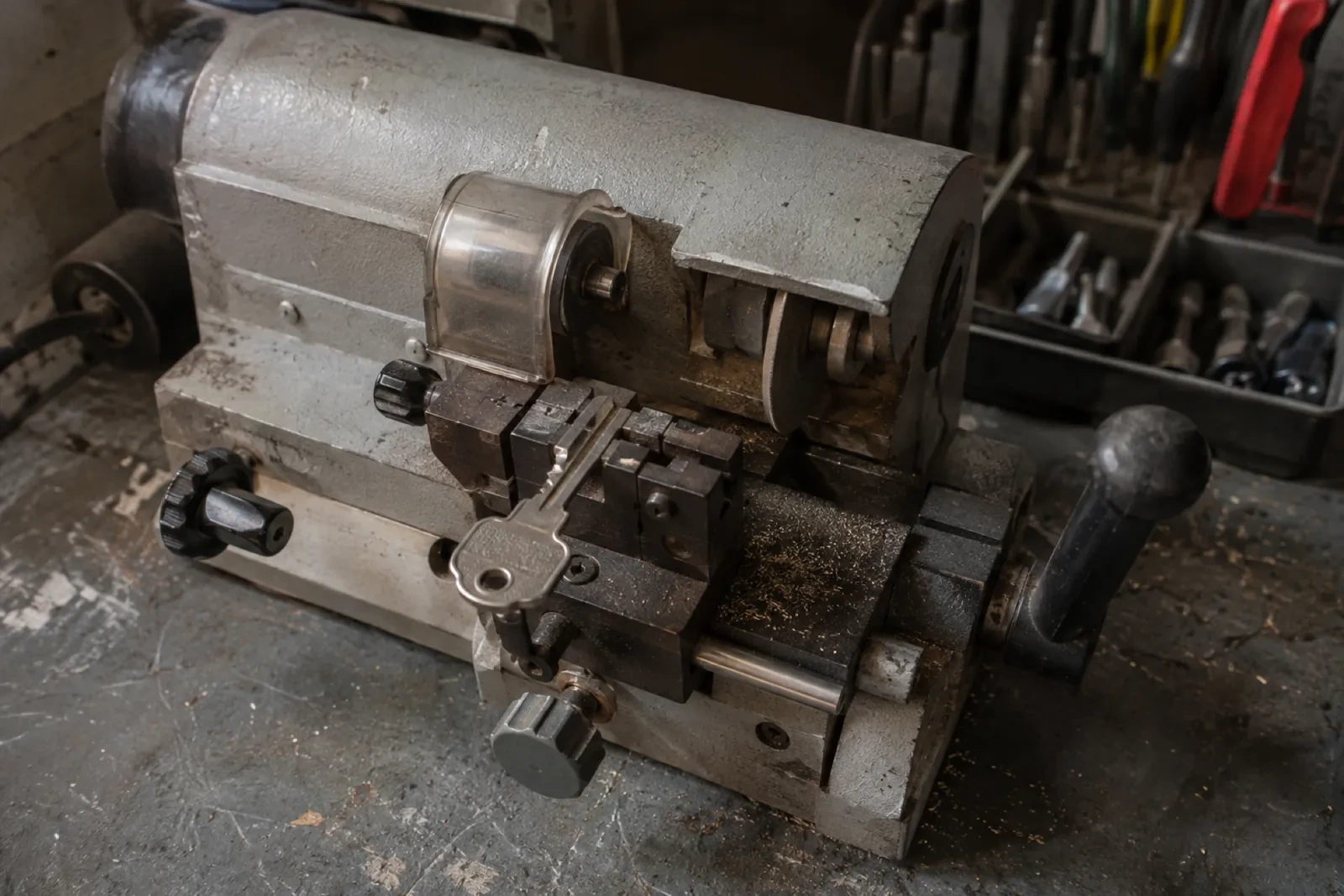
How many keys are cut
Each key cut to code and stamped is counted into the quote. Two per door group for a small shop and forty for a warehouse shift are different numbers.
Upgrades chosen on the day
Some businesses use the visit to move to interchangeable cores, add a lockbox for the alarm company or fit a heavier cylinder on the cash room. Each is a separate line you can accept or leave.
No existing chart or keys
When nobody knows what the current keys open, the locksmith reads and records each cylinder before planning the new keying, and that reconstruction is time in the quote.
What to have ready
- Are any of the locks interchangeable cores, and where is the control key?
- Which doors, if any, belong to the landlord or a shared corridor?
- Are any cylinders stiff, loose or hard to turn at the moment?
Commercial Rekeying: questions
QuestionsHow do you confirm I am allowed to have the locks changed?
For a business the locksmith looks for someone with standing: the owner, a director, or a manager who can show written authority from one of them. A lease, a business registration or a letter on company paper usually settles it, along with photo identification. Where doors belong to a landlord, the property manager's approval is asked for as well. This is a short step and it protects the business from having its own locks changed by the wrong person.
Can all our doors be put on a single key?
Yes, if the cylinders share a keyway or can be fitted with ones that do. Keying everything alike is popular with small shops because staff carry one key and spares are simple. The trade-off is that one key then opens the cash room as readily as the front door. Many businesses choose a middle path: the doors everyone uses on one key, the sensitive rooms on another, and an owner's master that opens both.
What happens with our fire exit doors and panic bars?
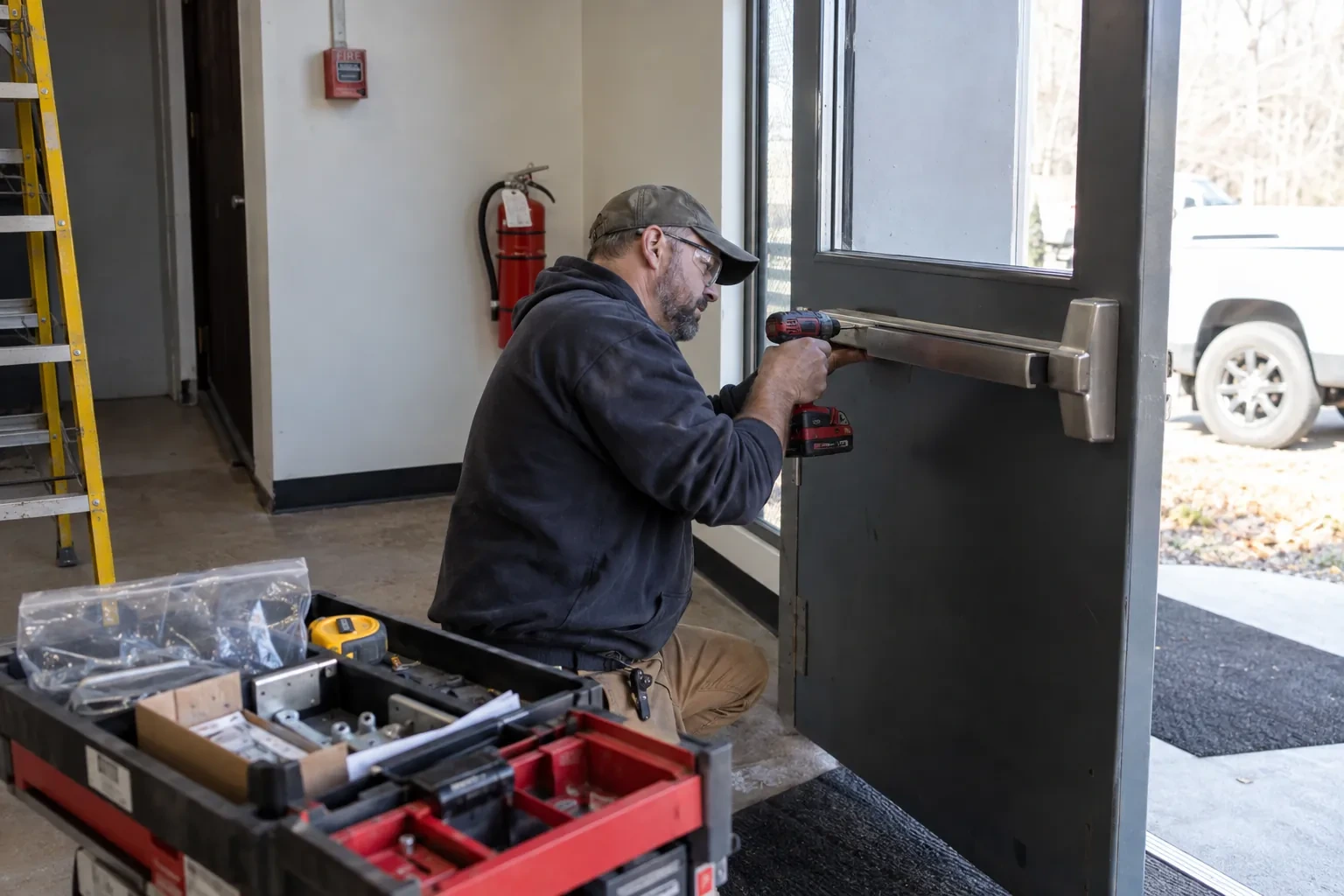
The outside cylinder on an exit door controls entry only, and it can be rekeyed like any other. The inside stays as it must: one push or one turn, no key, no special knowledge, on the exit door itself and on any door on the way to it. A locksmith will not add a keyed device to the inside of an exit, and will point out one if it already exists.
Related services
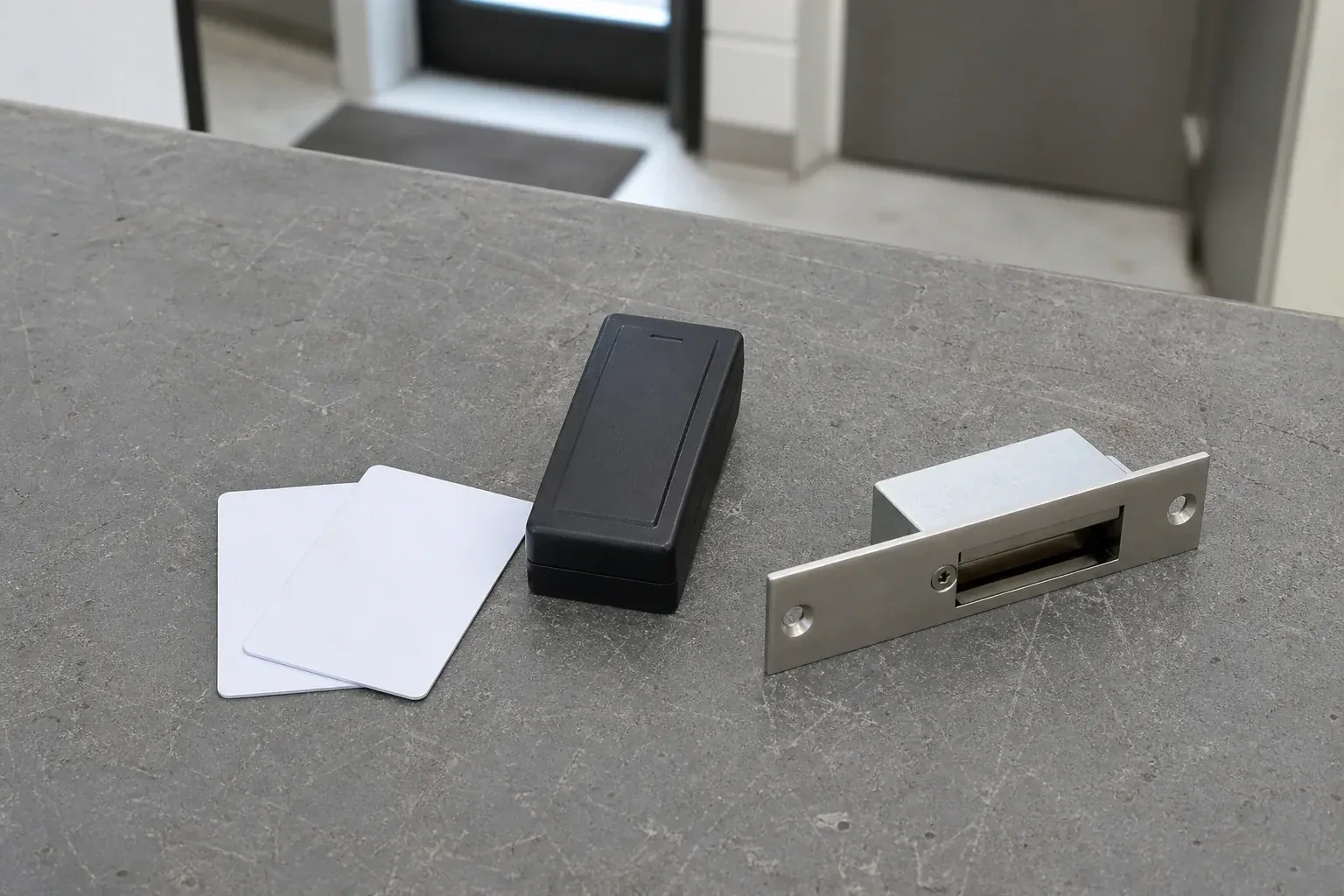
- Access Control InstallationThe keypad on the side door has started sticking on cold mornings, codes get shared instead of reset, and half the staff still remember a code you meant to retire two hires ago.
- Panic & Exit HardwareThe new access-control reader at the staff entrance works fine going in, but nobody has sorted out the door's exit side, and right now a card reader and a pushbar exist as two separate ideas.
- Commercial-Grade Lock ReplacementThe kitchen delivery door gets shouldered open more than a hundred times a shift, and lately the latch slips past the strike plate instead of catching it on the first push.