Change or rekey · Meadowvale Village
Deadbolt Installation in Meadowvale Village
You bought a keypad deadbolt online and pulled the old one off, only to find the hole in the door is a different size and the bolt latch sits at a backset the new kit does not list.
In plain words
The right deadbolt for a door depends on how the door is used and where it sits. A front door that a family goes through twenty times a day needs a durable mechanism and a finish that shrugs off salt spray and sun; a side door in a laneway wants a heavy bolt and a strike that reaches the framing. Residential deadbolts carry letter grades for security, durability and finish, and heavier commercial-pattern bolts carry numbered grades, so there is a plain way to compare. The locksmith talks through those options, then fits the one you choose with the same care whichever grade it is.
How the visit goesYou moved in three weeks ago. The previous owner left a handful of keys, none labelled, and the bolt on the side door rattles in its housing. You would like every exterior door to bolt, and to know exactly who can open it.
Deadbolt Installation
How the visit goes
The frame behind the strike
A bolt is only as good as what it throws into, so the jamb gets a hard look before anything is ordered. The locksmith checks whether the jamb is wood or steel, whether it is backed by solid framing at lock height or by a gap of shims and air, and whether earlier screws have torn out or been stripped. A jamb that flexes under a palm tells its own story. Where a strike has been fitted before, the old pocket is examined for depth and position, since a shallow or offset pocket is the usual reason an existing deadbolt feels stiff. This check decides between a plain strike, a reinforced strike with long screws, or a full-length jamb reinforcer.
Swapping an old deadbolt in place
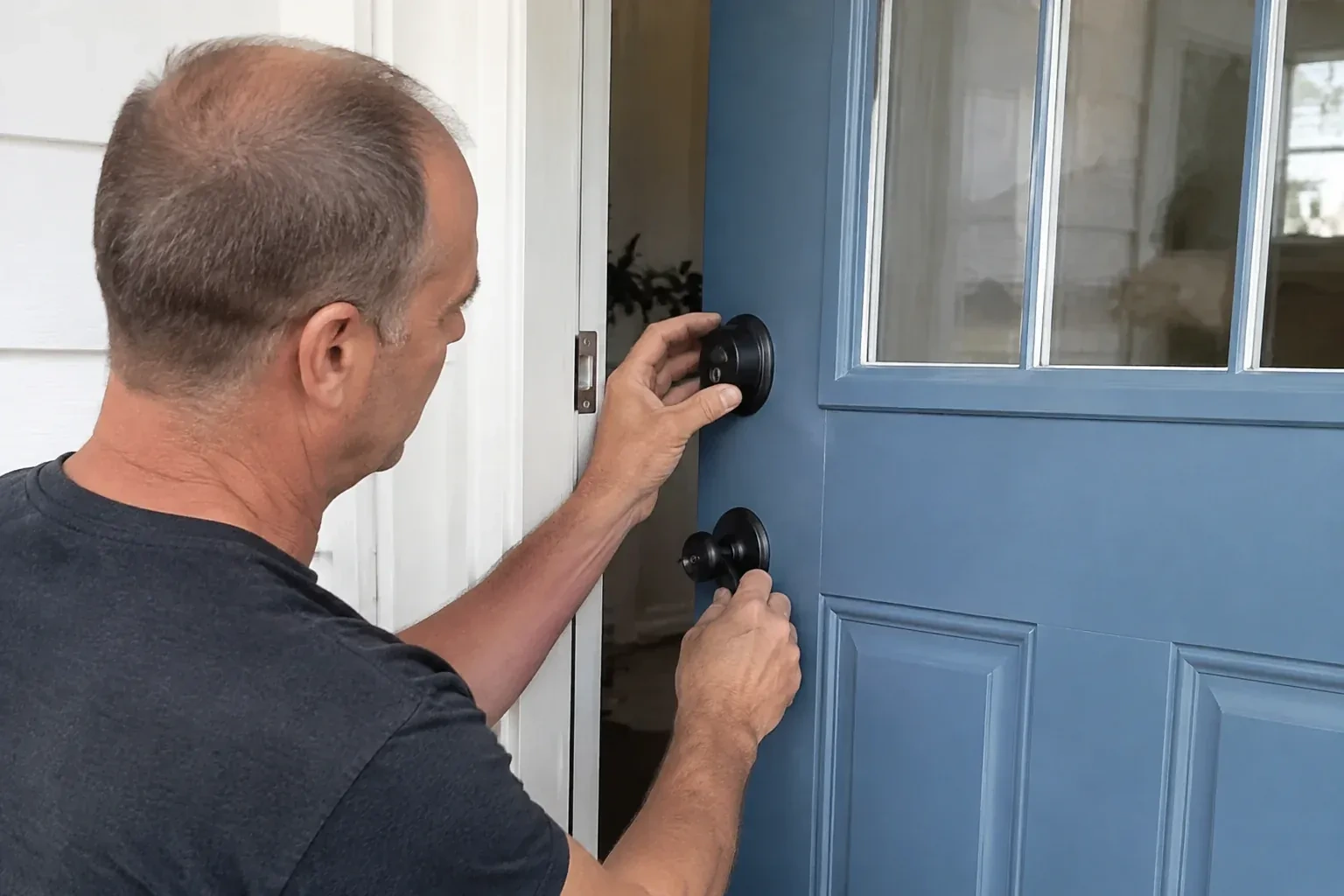
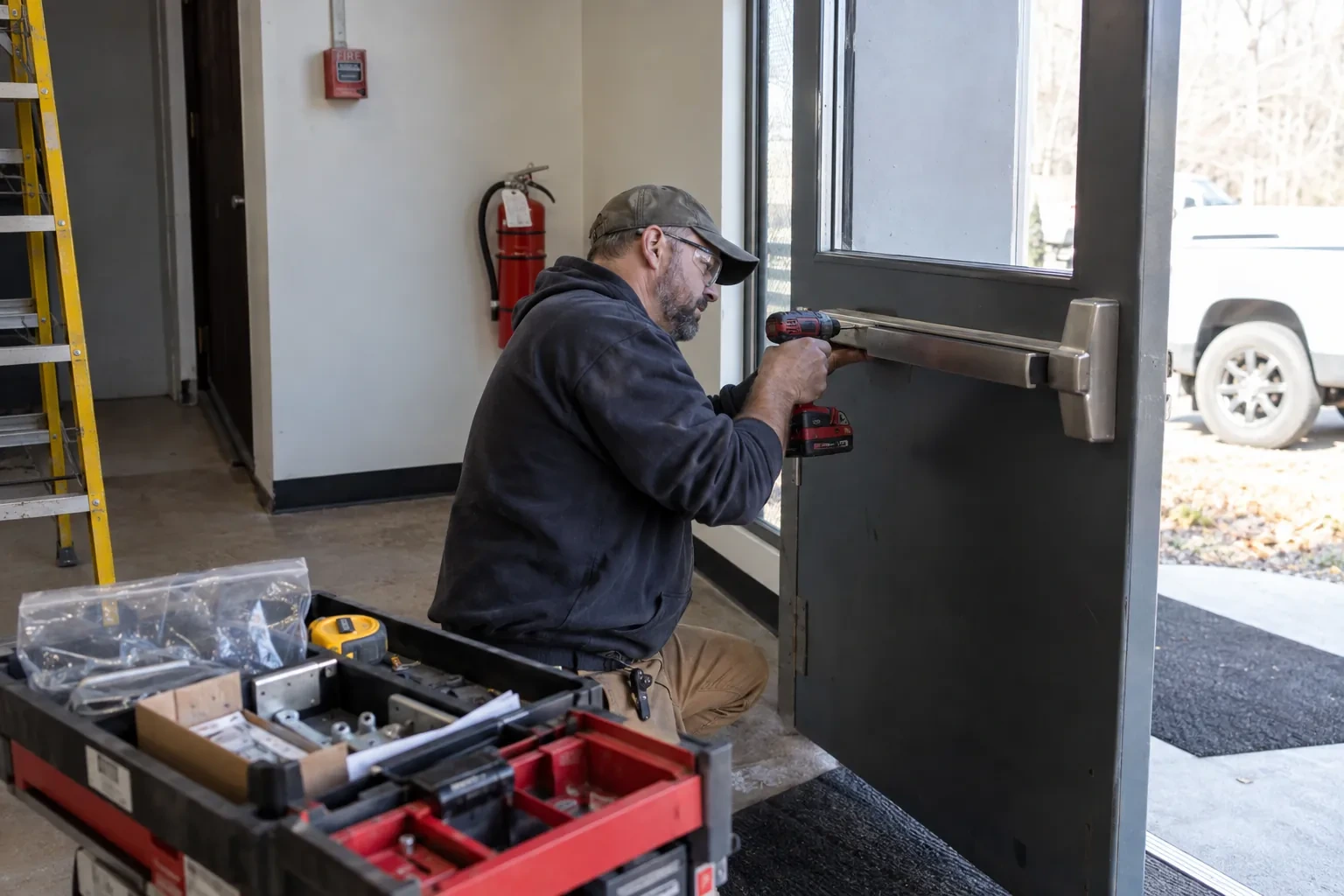
When an existing bolt is being replaced, the work starts by backing out the two inside screws and lifting off both housings, then removing the bolt from the edge. The bore and backset are measured against the new hardware, and any difference is dealt with before the new bolt goes in: a larger bore for a smart deadbolt, a different faceplate shape, or a spacer for a thinner door. The new bolt, cylinder and thumb-turn go on in the usual order. The old strike comes off too, the pocket is deepened if needed, and a reinforced strike with long screws replaces it, so the upgrade happens on both sides of the gap.
Looking after it through the seasons
A deadbolt asks for very little, and most of it happens twice a year. In spring and again in autumn, throw the bolt with the door closed and notice whether it still slides in freely; wood doors swell in humid summers and shrink in dry winter air, and the first sign is a bolt that needs the door pulled before it will lock. If so, a small strike adjustment puts it right. Give the bolt and keyway a puff of whatever lubricant the lock's own maker specifies, often dry PTFE or graphite, since some cylinders are serviced with oil instead. Wipe salt off the outside trim after a slushy week so the finish stays bright.
Deadbolt Installation
In the van
Boring jig and 54 mm hole saw
Reinforced strike plate
Rekeying pins and key blanks
Dry PTFE lubricant
Jamb reinforcer
Deadbolt Installation
What affects the quote
Keying alike or a fresh key
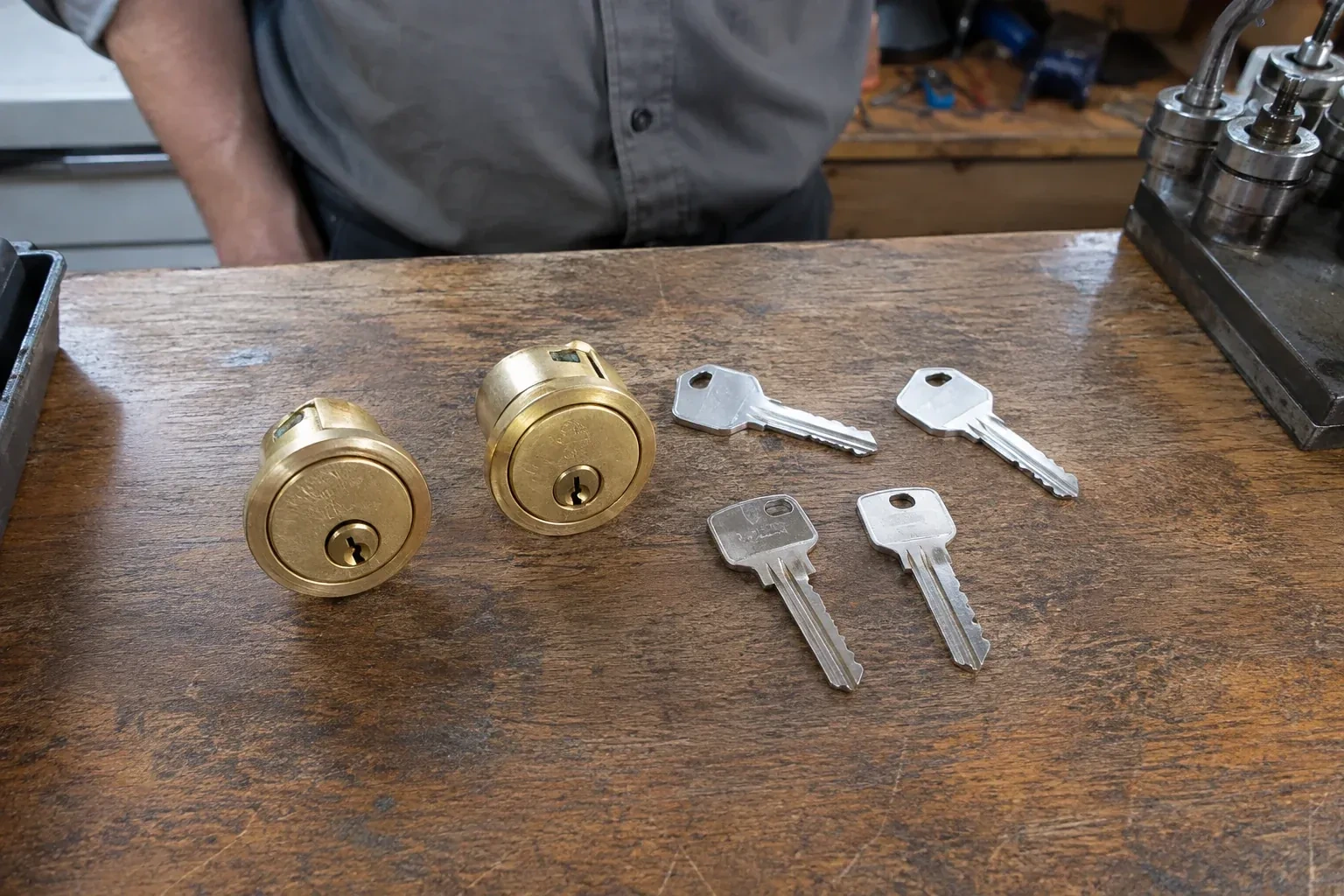
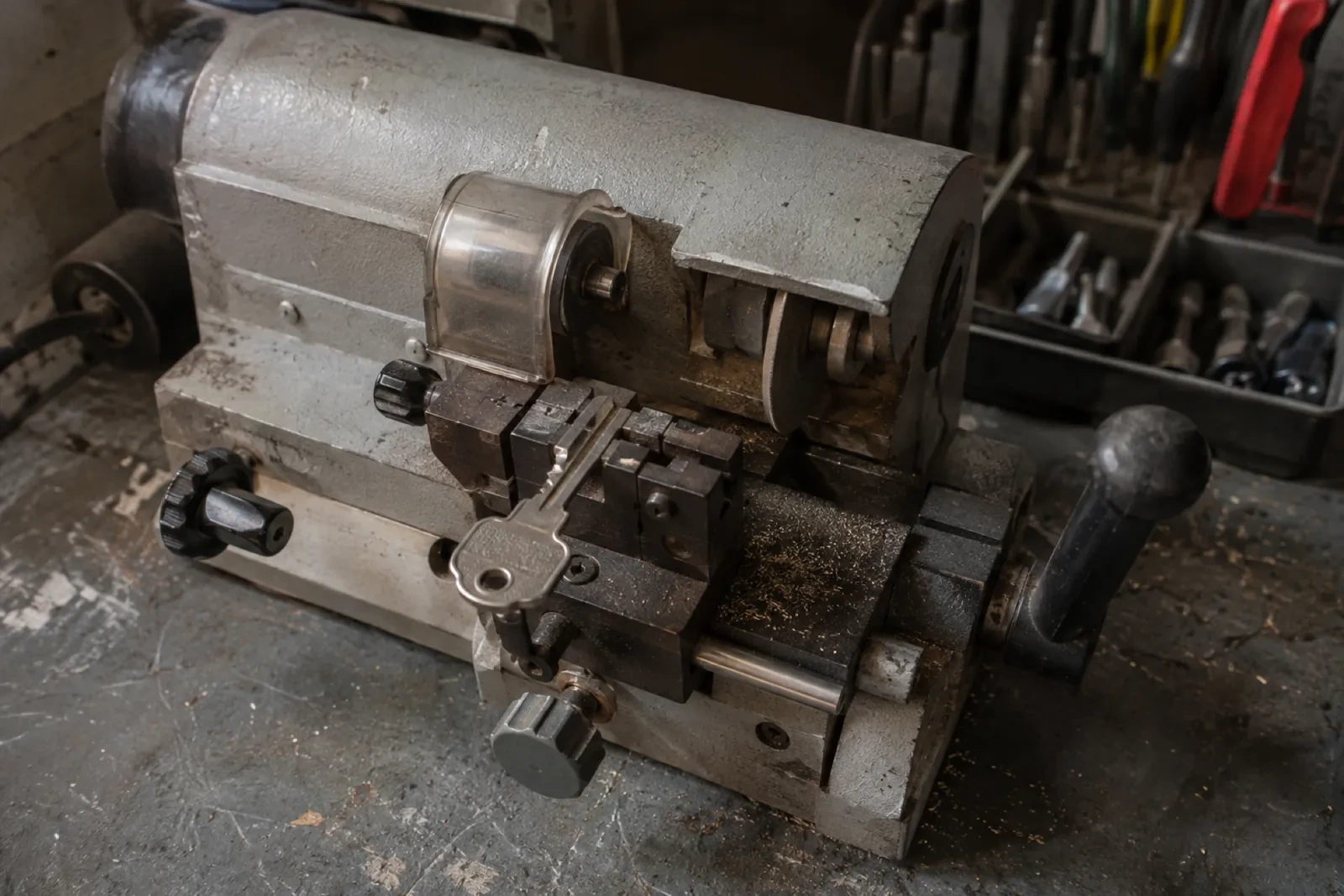
Pinning the new cylinder to your existing key, or setting several doors to a new key, is bench work quoted per cylinder, plus the number of keys you ask to have cut.
Travel to the property
Distance and access are part of any call-out: a house on a suburban street and a rural property down a long road involve different driving time, and the quote says so.
Number of doors
One front door is the simplest case. Front, back, side and garage-to-house doors done in one visit share the travel and setup, so the per-door figure usually eases as the count rises.
What to have ready
- Which doors do you want a deadbolt on, and does each one already have a bolt or only a knob?
- Is there glass in the door or a sidelight beside it within arm's reach of the lock?
- Do you want the new deadbolt to work on the same key as your other doors?
Deadbolt Installation: questions
QuestionsWhat do lock grades mean when I am picking a deadbolt?
Residential deadbolts are graded under an industry standard in three categories, security, durability and finish, with letter grades from C through A, so a lock marked with three A grades has met the highest level in each. Heavier commercial-pattern bolts are graded 1, 2 or 3, with 1 the highest. The grades let you match hardware to a busy family door or an exposed side entrance without relying on the weight of the box.
What is the difference between a deadbolt and the lock in my door knob?
The knob or lever holds the door shut with a spring latch: a bevelled tongue that snaps into the frame and can be pushed back by anything slid into the gap. A deadbolt is a solid rectangular bar driven by the key or thumb-turn alone, and when fully thrown it locks in place so it cannot be pressed back from the edge. The knob keeps the door closed; the deadbolt keeps it locked.
Does the finish of the deadbolt matter beyond looks?
It does on an exposed door. Winter salt spray, summer sun and humid air all work on the outside trim, and residential deadbolts carry a finish grade that reflects how well the coating resists them. A lifetime or PVD-style finish stays bright longer on a south-facing or roadside door, while a sheltered porch door can carry any finish you like. Matching the knob or lever below is mostly a matter of taste.
Related services
- Lock Replacement & UpgradeEvery morning the front door key needs the same little dance: push in, lift, wiggle, turn.
- Vintage Mortise Lock ServiceThe knob flops loose on its spindle and never springs back to level.
- Smart Lock InstallationThere are four copies of the front-door key floating around: one with the cleaner, one with a neighbour, one on a hook at your parents' place, and one you honestly cannot account for.